Wages in Japan log 1st rise in 27 months on higher summer bonuses
TOKYO
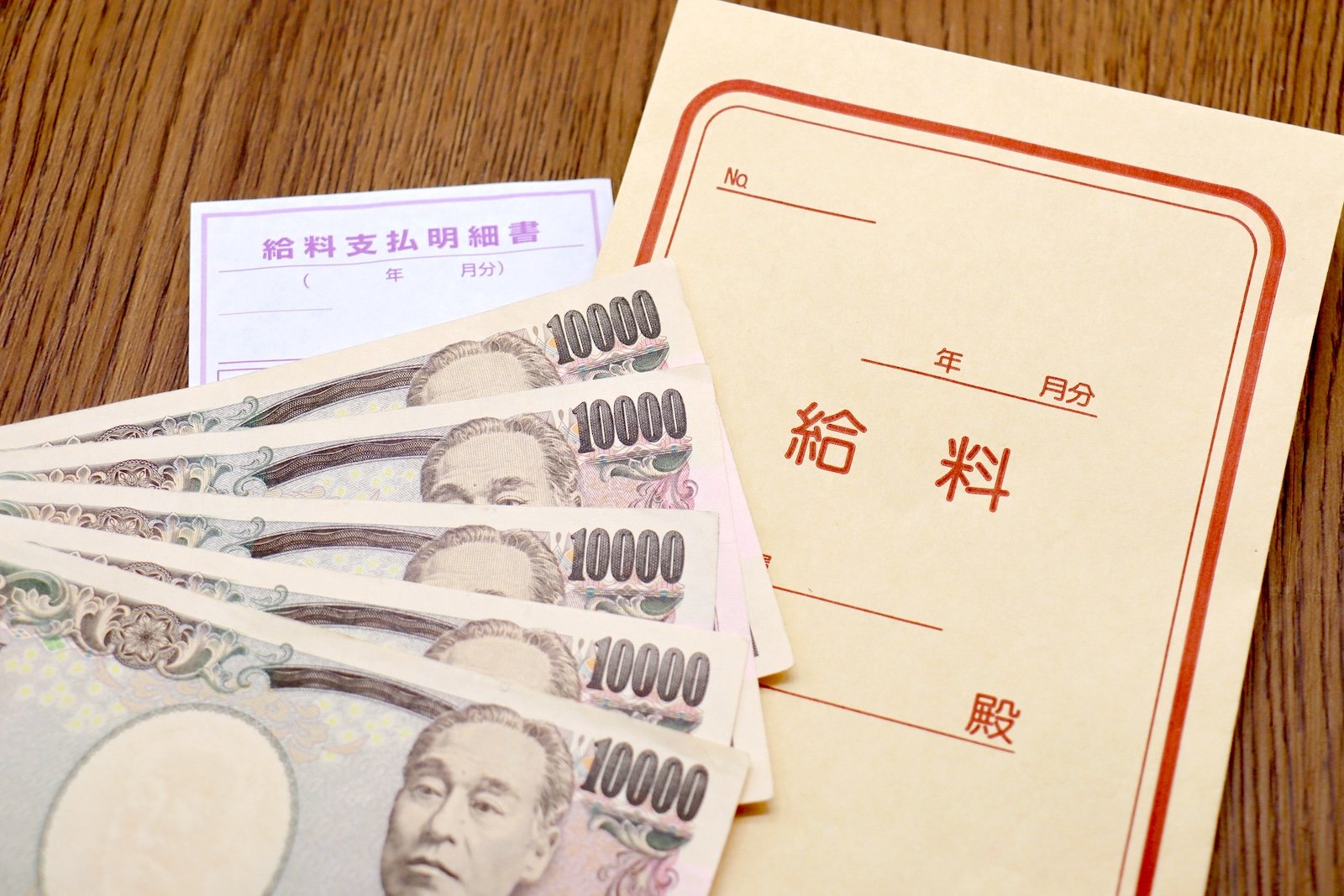
Japan’s real wages in June rose 1.1 percent from a year earlier to mark the first gain in 27 months and outpace inflation, boosted by an increase in summer bonuses, government data showed Tuesday.
Nominal wages, or the average total monthly cash earnings per worker, including base and overtime pay, grew 4.5 percent to 498,884 yen, up for the 30th consecutive month, according to the Ministry of Health, Labor and Welfare. That compares with a 3.3 percent rise in consumer prices in the same month.
Japan’s longest-ever decline in real wages, beginning in April 2022, came to a stop as special cash earnings, including summer bonuses, rose 7.6 percent to 214,542 yen. More companies paid out bonus checks in June compared to a year earlier, the ministry said.
“We will monitor incoming data closely to see if the trend has really changed as there is a possibility that those firms that paid bonuses in July might have just moved up the timing this year,” a ministry official said.
The upbeat figures could embolden the Bank of Japan, which decided on a second rate hike in four months last month and is looking to tighten its monetary policy further, as the government has been keen to cope with the yen’s weakness.
Excluding bonuses and nonscheduled payments, average wages climbed 2.3 percent to 264,859 yen, the biggest rise in more than 29 years. Overtime and other allowances were up 1.3 percent at 19,483 yen, the data showed.
“The increase in wages excluding special factors such as bonus and overtime pay is still lagging behind a rise in prices,” said Masahiro Ichikawa, chief market strategist at Sumitomo Mitsui DS Asset Management Co.
“We need to see if it continues to rise in coming months to know if we are really in a positive territory,” he said.
The overall rise also came after Japanese companies agreed to hefty pay raises in this year’s spring wage talks. The average monthly wage increase reached 5.1 percent, rising over 5 percent for the first time in 33 years, according to the Japanese Trade Union Confederation, the country’s largest labor union.
Average monthly nominal wages for full-time workers were up 4.9 percent at 664,455 yen, while part-time workers saw a monthly pay increase of 5.7 percent to 121,669 yen.
Despite the rise in wages, separate data showed the nation’s household spending in June fell a real 1.4 percent from a year prior, declining for two straight months after slipping 1.8 percent in May, as wariness over rising prices pressured expenditures.
Average spending by households of two or more people came in at 280,888 yen, the Ministry of Internal Affairs and Communications said. On a nominal basis, spending was up 1.9 percent.
Despite rises in pay, there is typically a lag before households increase their spending, an official at the ministry said.
By category, the biggest falls were seen in spending on home expenses, which were down a real 23.6 percent due to reduced spending on home repairs. Natural disasters led to a rise in such expenditures the previous year, a ministry official said.
Utilities spending was down a real 7.3 percent, as households cut their power usage ahead of the end of government subsidies for electricity and gas bills. Support was reduced by around half for the May billing period before being terminated for June.
Among risers, spending on furniture and other durable goods saw a 23.7 percent rise on the prior year as unseasonably high temperatures in June drove purchases of air conditioning units up, the ministry said.
Household spending is a key indicator of private consumption, which accounts for over half of Japan’s gross domestic product.









Post Comment