
Japan’s LDP Leadership Race: Contenders’ Economic Visions
- Japan’s LDP is preparing for a leadership race, with contenders proposing different economic support measures.
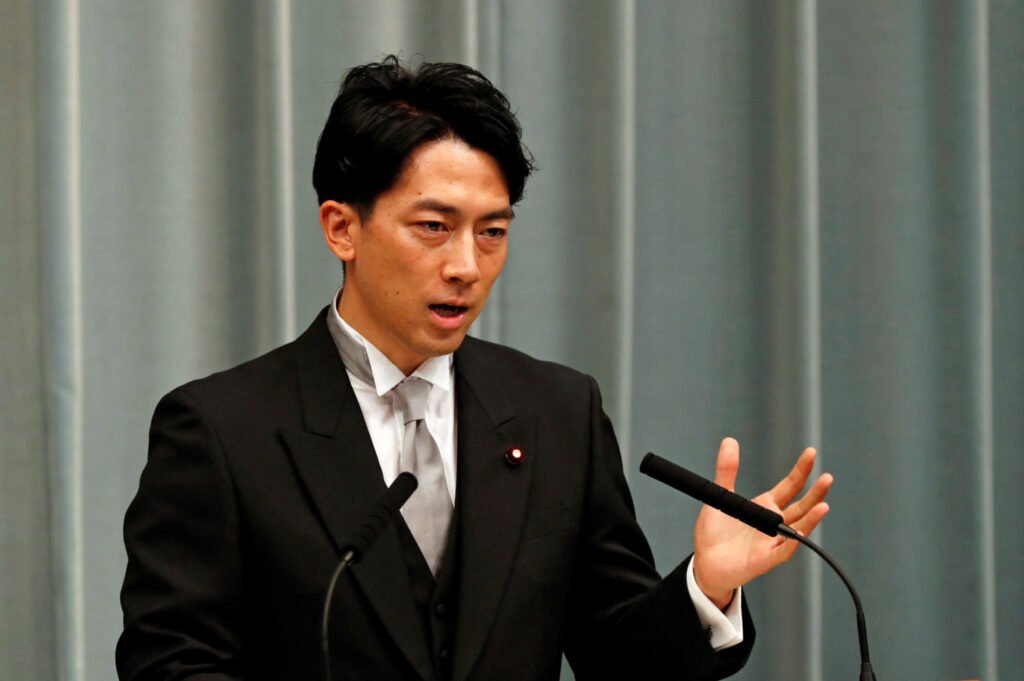
- Shinjiro Koizumi suggests expanding support to low-income households, while others propose targeted subsidies.
- The race comes amid a slush funds scandal and the need to bolster the economy and address security and demographic challenges.
- The outcome will determine Japan’s next prime minister and the course for the country’s economic policies.
Japan’s ruling party, the Liberal Democratic Party (LDP), is in the throes of a significant political development. The party is preparing for a leadership race, with the contenders vying for the position of the next prime minister. They have emphasized the need to build on the wage growth momentum seen under incumbent Fumio Kishida. However, their views on how to support households and the broader economy amid rising prices differ.
Shinjiro Koizumi, a rising star in the LDP and one of the public favorites to succeed Kishida, has proposed expanding support to low-income households and pensioners via cash handouts. This approach contrasts with Kishida’s government, which has provided financial assistance to reduce utility bills for households.
Other candidates, including former economic security minister Takayuki Kobayashi and Digital Minister Taro Kono, have suggested that support in the form of subsidies should be targeted. This indicates a shift in policy direction, focusing on specific areas of need rather than a blanket approach.
The Leadership Race and Economic Transition
The LDP leadership race, scheduled for September 27, is set to be a highly contested one, with a record nine contenders competing to lead the ruling party. This comes at a time when the party is grappling with a slush funds scandal. Key issues include how to revamp the party, bolster the economy, and address security and demographic challenges.
The next president is certain to become the prime minister as both houses of parliament are controlled by the LDP and its junior coalition partner, the Komeito party. One focal point is when the new leader will call a snap election.
Koizumi, at a joint press conference with the other eight contenders at the LDP headquarters, said, What we are seeing is the economy finally transitioning to a growth-oriented one from deflation. We need to accelerate the progress rather than moving backward. This statement underscores the need for Japan to continue its economic growth trajectory.
Defense Spending and Tax Hikes: A Point of Contention
At the same event, Kono said, We need to stop the practice of giving subsidies to everything, emphasizing the need to examine the effectiveness of recent budgeting. This reflects a more conservative approach to fiscal policy, focusing on the efficient use of resources.
Japan has seen the best outcome in three decades of annual wage negotiations between management and labor. Wage growth has turned positive in recent months, even when the effects of inflation are accounted for. This is a significant achievement for the Japanese economy, which has long struggled with stagnant wages and deflation.
However, the Japanese government is believed to be on the cusp of officially declaring an end to deflation, but rising prices of various goods due in large part to higher import costs have weighed heavily on consumers. This presents a challenge for the incoming leadership, which will need to balance economic growth with consumer welfare.
While Chief Cabinet Secretary Yoshimasa Hayashi, a close ally of Kishida, and other candidates generally agree on continuing Kishida’s economic policies, a key point of contention is whether and when to raise taxes to fund a substantial increase in defense spending.
The conclusion of the LDP leadership race will mark a significant turning point in Japan’s political landscape. The outcome will not only determine the next prime minister but also set the course for the country’s economic policies. As the contenders present their visions for Japan’s future, the focus will be on how they plan to balance economic growth with fiscal responsibility, consumer welfare, and defense spending. The race is a reminder of the complex challenges that lie ahead for Japan’s next leader.







Post Comment