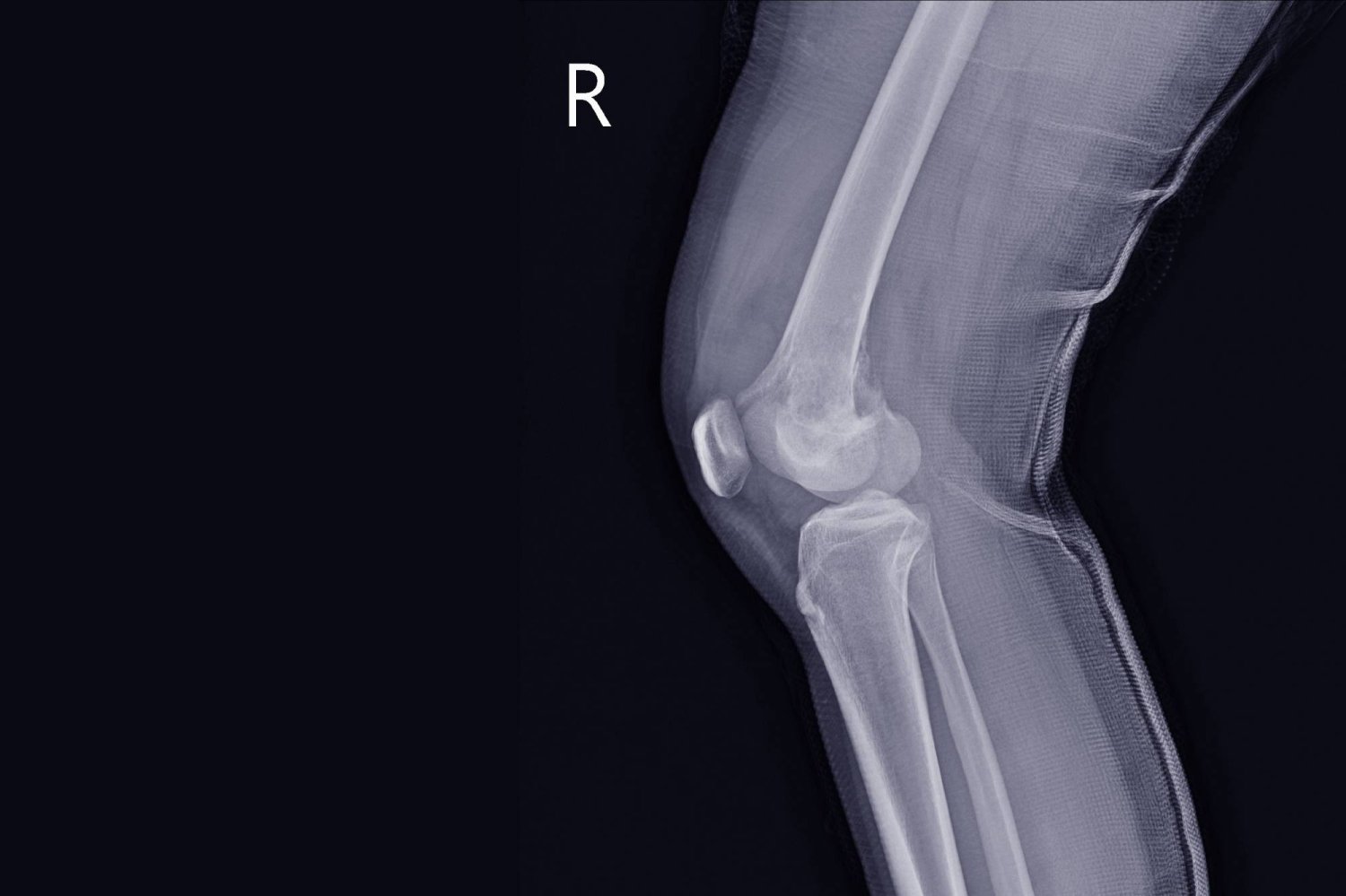
Japanese researchers figure out why osteosarcomas often emerge during adolescence
A group of researchers from the University of Tokyo and other institutions announced Wednesday that they have unraveled through mice experiments the pathogenic mechanism of osteosarcoma, which frequently develops in the bones around the knees during adolescence.
Osteoblasts — cells that form bones during the growth period — keep a balance between proliferation and cancer suppression, but this balance could be disrupted, causing osteosarcomas, they said.
Osteosarcoma is a rare form of bone cancer, with approximately 200 newly diagnosed patients reported in Japan annually.
Many of the patients are between the ages of 10 and 19, and the most common sites for the disease are the thigh bone and shin bone near the knees.
It hasn’t been clear why osteosarcomas concentrate in certain parts of the body in adolescence.
The research team, led by Yasuhiro Yamada, a professor at the University of Tokyo Graduate School of Medicine, analyzed immature osteoblasts at the edges of long bones around the knees of young mice.
They found that during a growth spurt, cells located at the ends of long bones create times of very intense cell division, and this is when abnormalities tend to occur in DNA that carries genetic information.
At the same time, they saw the mechanism for detecting abnormalities and halting cell proliferation at work to prevent cells from becoming cancerous and maintaining balance.
The team then focused on the functions of p53, the tumor suppressor gene that is most frequently mutated in various cancers including osteosarcoma.
When another cancer gene associated with osteosarcoma was activated, p53 acted as a brake to suppress the proliferation of abnormal cells. However, when p53 function was lost, cells with damaged DNA proliferated uncontrollably, driving the development of osteosarcoma, eventually spreading to the lungs.
“We were able to present the mechanism of osteosarcoma on a cellular level,” Yamada said. “We hope this will lead to development of new treatment methods in the future.”
The paper was published in Nature Communications.














Post Comment