Europe’s coal mines say they slashed methane emissions. Experts don’t believe them.
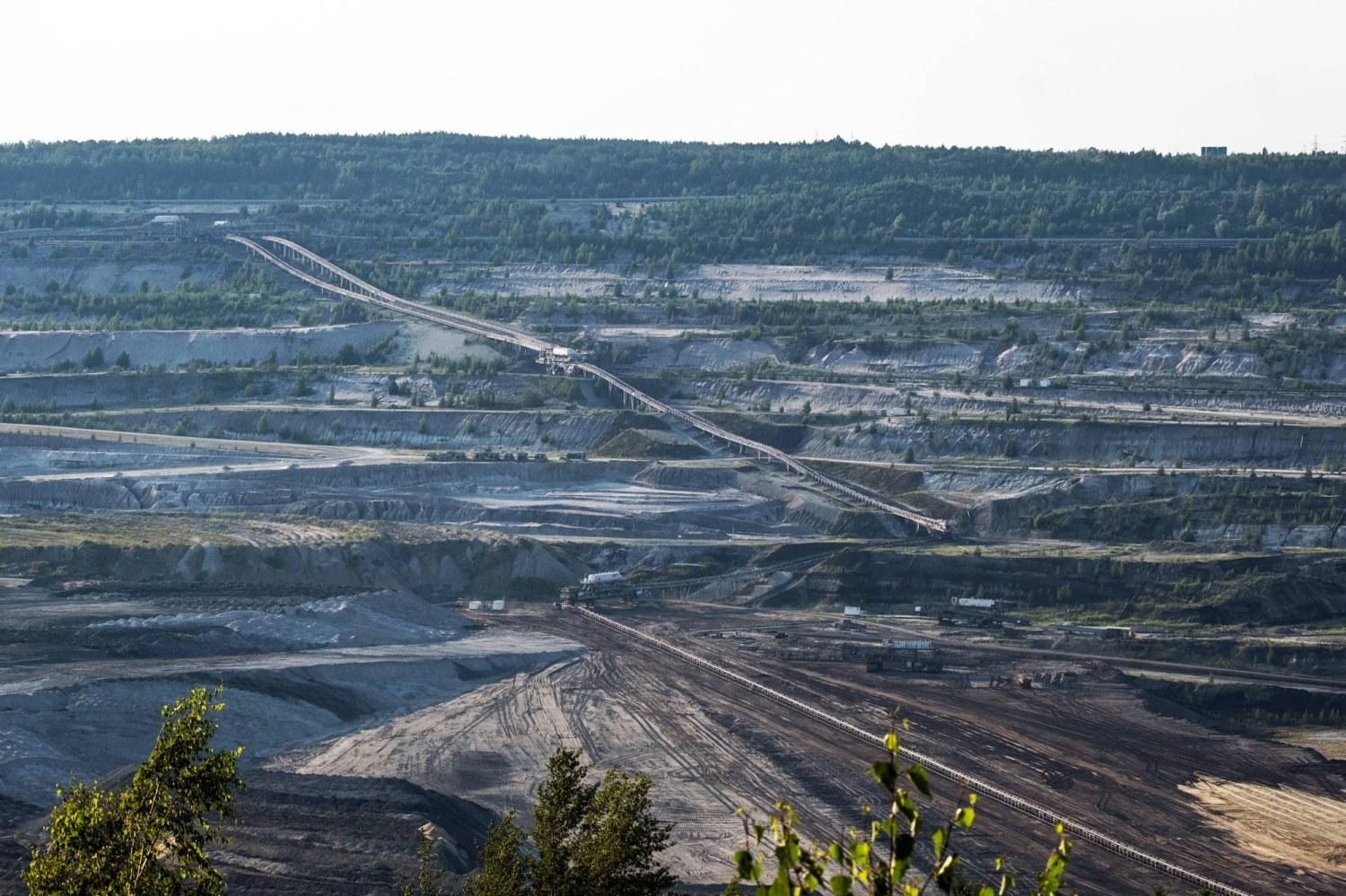
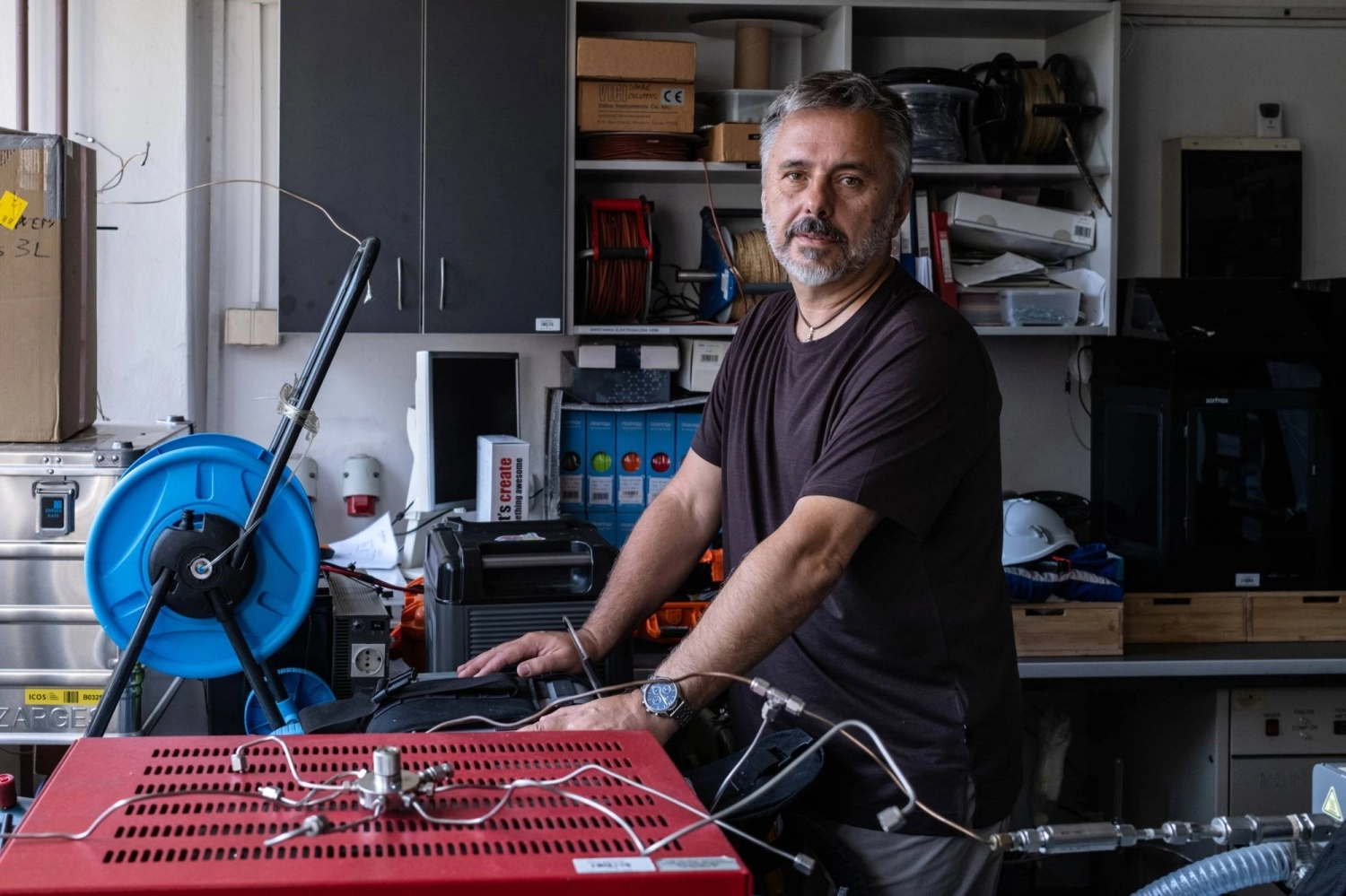
Physicist Jaroslaw Necki vividly recalls his trips to the “Sahara,” the vast open-pit mines of central Poland rich with soft lignite coal.
Working in these treeless landscapes, where sand and clay stretch into the distance, he’d often forget he was in the middle of Europe. Over the years, these excursions have made the associate professor at Krakow’s Mining and Metallurgical Academy a leading global expert in methane emissions — a powerful greenhouse gas known to have a significant impact on global warming.
Last year, Necki saw the results of the European Union’s first large-scale coal mine emissions test. The report showed some remarkable results.
Poland’s two biggest lignite surface mines, Belchatow and Turow, recorded methane emissions levels in 2024 that were roughly one-thousandth of those shown by most independent tests in the last two decades.
In the Czech Republic, methane emissions from the same kind of open-pit coal mines dropped 91% between 2022 and 2024.
And in Germany, which still depends on dirty fossil fuels for about one-fifth of its power production, nine out of 10 lignite mines documented an overall emissions decline of 64% in 2024 from what was reported a year earlier. In all cases, the reductions were so large that they couldn’t simply be explained by production cuts.
“I don’t believe these numbers at all,” said Necki.
He, as well as other experts, said that the dramatic falls in reported methane emissions are the result of a small but fundamental change in the methodology for measuring them — one that was introduced as part of an plan by the EU to track and contain methane. That tweak has allowed open-pit mine operators to essentially grade their own homework, enabling them to undercount their emissions. This could allow governments and companies to overstate their progress on reaching climate goals while underestimating the scale of action still needed.
“Wrong techniques are being intentionally applied to benefit coal mines — not the environment,” Necki said.
All the mining companies contacted described their methane testing as aligned with EU regulations and scientific standards.
Under its Global Methane pledge, a 2021 initiative kicked off by former U.S. President Joe Biden and European Commission President Ursula von der Leyen, the bloc vowed to help reduce methane emissions by 30% from 2020 levels by the end of this decade.
The EU Methane Regulation is meant to be the bloc’s most powerful tool in its efforts to reach this goal. Once the regulation is implemented next year, fossil fuel companies could eventually face fines of up to 20% of their annual turnover for failing to report emissions.
As part of this plan, officials sanctioned a change to the so-called “emissions factor” — a number that’s multiplied with a mine’s annual coal output to calculate its yearly methane emissions.
Prior to last year, most operators of open-pit mines, which make up three-quarters of EU coal mines, used emission factors set under national formulas to measure pollution. Now, mine operators are being asked to establish their own emissions factors based on site-specific tests. But there are not yet any guidelines for conducting these tests.
The situation is now “unclear in a number of ways,” said Silke Goldberg, Global Head of Sustainability at HSF Kramer, a law firm that advises global clients on competition legislation in Brussels.
Still, some major miners are already making use of the new option.
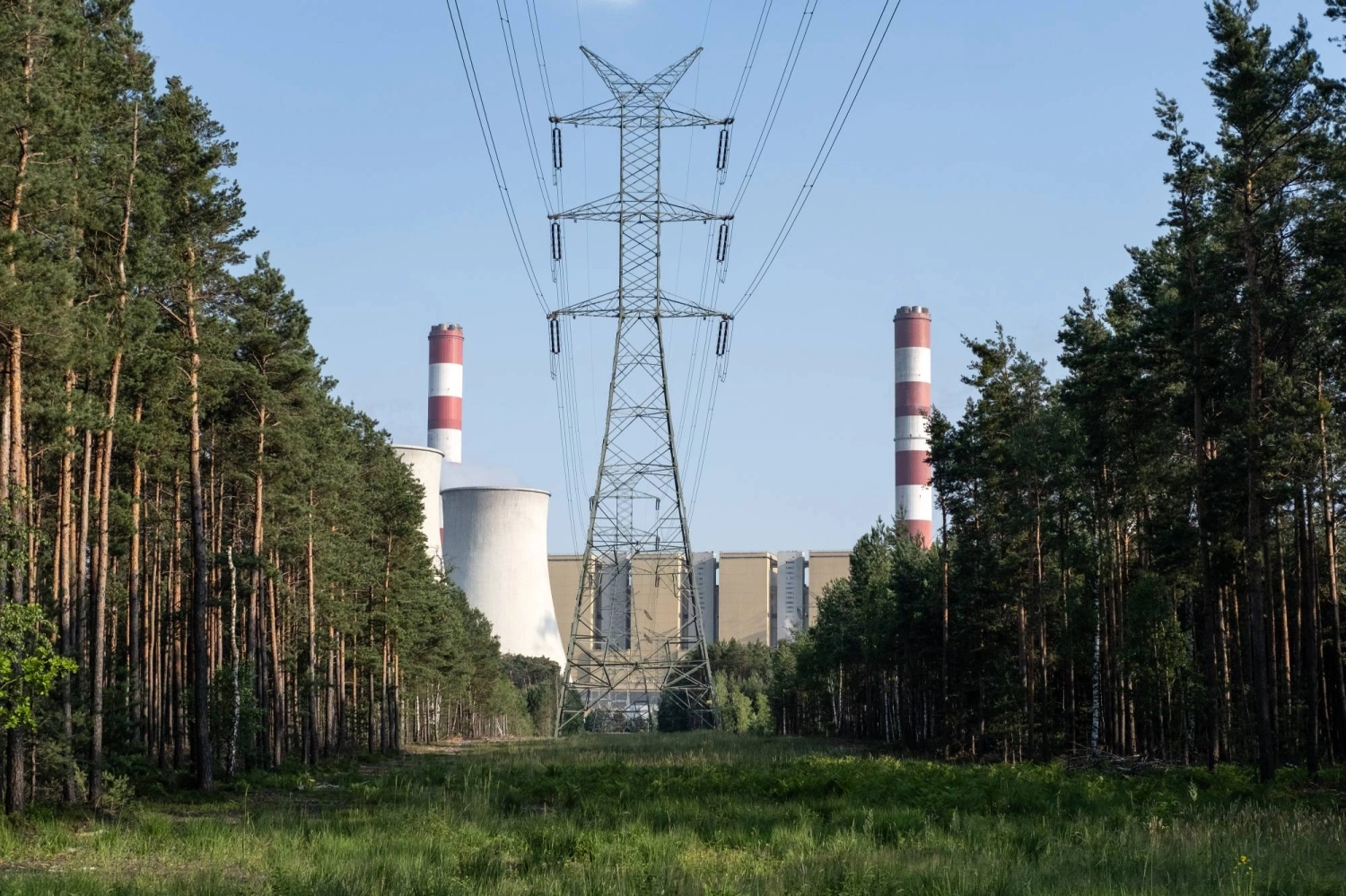
Poland’s PGE, which operates Belchatow and Turow, introduced new emissions factors at those sites. According to their most recent tests, recorded emissions levels were more than 99% lower at the mines than earlier results.
“This is ridiculously low,” said Necki.
Germany went a step further and included values provided by the mining industry in its official report to the United Nations in April. It specified a new “average implicit emission factor” that was 60% lower than the previous one.
Christian Bottcher, co-author of Germany’s climate report to the United Nations, said so long as “there is no hint as to what global best practice is,” he has to use industry data. Poland’s Energy Ministry did not reply to requests for comment.
The push to adopt site-specific measurement dates back at least seven years, when the U.N.’s Intergovernmental Panel on Climate Change released a report recommending the switch. At the time, the U.N. was primarily interested in improving reporting from hard coal mines in China, India, South Africa and Indonesia, which are among the world’s top polluters. In places where hard coal is mined underground, emissions can be measured quite accurately at ventilation shafts, said Ajay Kumar Singh, a leading Indian methane researcher who co-authored the IPCC report.
Open-pit emissions, by contrast, are much trickier to gauge. Surface mines can show “significant variability,” according to the report. That’s why Necki recommends core drilling, in which samples are collected from fresh boreholes about 300 meters deep.
In Germany, open-pit mine operators all took a common tack, according to reports submitted to the country’s environmental agency. Soil samples were collected “from the freshly exposed coal embankment” and then crushed into small particles, while the methane emitted during this process was captured and quantified.
That makes no sense, said Necki, who compared measuring ground-level coal emissions to shaking and opening a soda bottle, then trying to measure the remaining carbon dioxide inside. “You will not get a valid result,” he said, “because the gas has already disappeared into the atmosphere.”
Poland’s Central Mining Institute came to a similar conclusion last year when it published a study recommending that samples be taken from fresh boreholes at least 10 meters deep. It found that methane content in such samples was up to 60% higher than in those taken from an excavated pit.
PGE, the Polish operator, said its samples were collected from test boreholes across its mined deposit, without specifying the depth of drilling. The company added that it is collaborating with scientists from Germany and the Czech Republic and has information showing that in all three countries, “the reported methane emission factors from lignite mines are significantly lower” than the values previously used.
Brian Ricketts, the Secretary-General of Euracoal, the coal industry’s European lobbying arm, said that the three countries “have developed similar measurement methodologies with a view to a future standard,” adding, “each method is robust.”
Frantisek Buzek, a scientist at the Czech Geological Survey who worked with the country’s Environmental Ministry to collect coal samples, said his team gathered material from a “fresh open seam.” According to the Ministry, the new emission factor adopted by Czech lignite mines was based on a 2022 study by Buzek and the Geological Survey. It found that by the time it was extracted, coal had already lost 75% of its methane. When asked about the findings, a spokesperson for the Environmental Ministry said, “these emissions occurred in the past without human influence.”
Sabina Assan, a senior analyst at energy think tank Ember, granted that while Buzek’s approach can help determine how much methane the coal originally contained, it doesn’t account for emissions released during extraction. “The conclusion that the 75% emissions occurred before mining doesn’t hold.”
Australia provides an instructive case study.
It adopted the site-specific testing approach over a decade ago, allowing open-pit mine operators to abandon state-based emissions factors and determine their own standards. What happened next foreshadowed the situation in Europe.
Between 2016 and 2023, three mines collectively reported 8.5 million tons less in emissions than they would have had they been using state-based emissions factors, according to an analysis by Ember. In New South Wales, where the site-specific method is most commonly used, reported emission intensity is around six times lower than it would have been under the state-based emissions factor, said Assan.
A preliminary large-scale study funded by the United Nations and published in March found that operator-reported estimates for surface coal mine emissions were lower than expert external estimates. The authors suggested the site-specific testing method was “unsuitable” for accurately estimating pollution, and indicated that emissions from Australia’s coal mining industry may be higher than officially reported.
Critical shareholders in Europe are already voicing concern about companies adopting site-specific testing.
When RWE, Germany’s largest coal miner, held its annual general meeting at its Essen headquarters in April, activist investors proposed a vote of no confidence for the company’s executive board.
One group, Environmental Action Germany, accused the firm of using methane measurements that “do not meet scientific standards” and “systematically underestimate the real emissions.”
Ultimately, 99% of voting shareholders sided with RWE’s board members.
Michael Müller, the Chief Financial Officer at RWE, responded that the company’s measurements were “based on established sampling and analysis procedures” that had been “confirmed by external expert reports.”
Spokespersons for the other German coal miners — LEAG, Mibrag and Romonta — described their measurements as “state of the art,” and said that they are in close contact with authorities and in full compliance with the EU Methane Regulation.
Jutta Paulus, a member of the Green Party in the European Parliament and a key negotiator for the methane regulation, said the regime was mainly intended to rein in the oil and gas industries and target hard coal. “For lignite,” said Paulus, which is sourced from surface-level mines, “we always said that we need a better methodology.”
A spokesperson for the European Commission said that EU national authorities were responsible for “enforcement, decisions around compliance, and reporting for much of the regulation.”
In the meantime, Felicia A. Ruiz, director of coal mine and methane research at climate think tank Clean Air Task Force, is one of many voices calling on the European Commission to draw up exact and transparent guidelines for proper measurement. From 2027 on, the EU will also require companies to audit their emissions results.
“Independent third-party auditing for monitoring, reporting and verification in the coal sector is absolutely critical,” she said.
The European Committee for Standardization, the body responsible for developing bloc-wide standards, said it’s not currently working on guidelines to address methane emissions from coal mining, nor does it have a dedicated committee focused on this.
The European Commission, which is expected to present its own regulatory guidelines next week, said it’s preparing a request to draft standards.
That will “also cover rules for estimation of the emission factors for surface coal mines,” according to spokespeople.
The fate of the EU’s methane regulation could hang on how — or whether — this happens.
If auditors are too close to industry or belong to authorities willing to rubber-stamp questionable results, Necki said, “then we still have a problem.”
And should that continue unchecked, he added, “the regulation will be dead.”














Post Comment