Bitcoin’s Boom-Bust Cycle: A New Economic Paradigm
- The global landscape is transforming, with cryptocurrencies like Bitcoin playing a significant role in the economy.
- The U.S. is experiencing major shifts in its economic and political policies, which could impact the Bitcoin cycle.
- The EU is adopting open strategic autonomy, influenced by the shift to a multipolar order, Europe’s declining global economic weight, and technological innovation.
- U.S.-China relations are evolving, with China rapidly becoming a leading innovator in advanced industries.
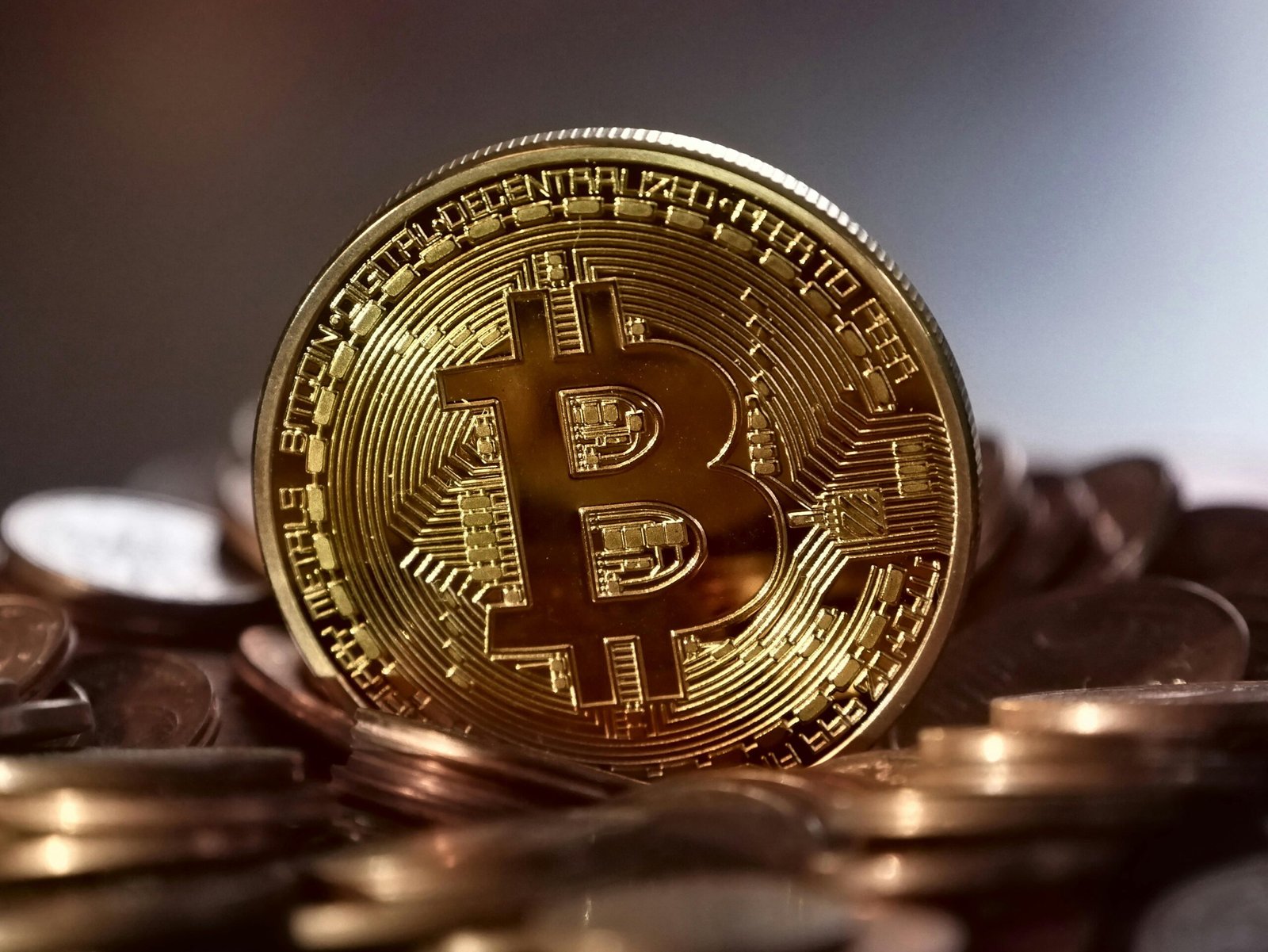
The global economic and political landscape is undergoing a significant transformation, driven by a multitude of factors. One of the most prominent shifts is the increasing focus on cryptocurrencies and the role they play in the global economy. This is the third crypto cycle that has been observed, with Bitcoin being the primary driver of the entire crypto market. The halvening event, which cuts new Bitcoin issuance in half, has been identified as the key driver of Bitcoin’s price. This supply cut creates a boom-and-bust cycle, with Bitcoin’s price skyrocketing and then crashing just as swiftly.
However, this cycle is not set in stone and can be disrupted by external events, as was seen in the 2021 cycle. Bitcoin has also emerged as a flight-to-safety asset, with wealthy individuals often buying crypto to move their assets without baggage or scrutiny, especially in times of national turmoil. This has made Bitcoin an ideal way to transfer large amounts of capital discreetly, especially as cash becomes increasingly problematic.
The U.S. Economic and Political Shifts
The shift towards cryptocurrencies is not the only significant change in the global economic and political landscape. The U.S. is also undergoing massive shifts in its economic and political policies, which could intensify the natural Bitcoin cycle downturn, leading to potentially epic lows. However, there is a clear roadmap to judge whether reality sticks to or deviates from expectations.
In addition to these shifts, the geopolitical landscape is also changing, with the European Union (EU) adopting the concept of open strategic autonomy (OSA) to maximize the opportunities of economic openness while assertively defending the EU’s interests both internally and externally. This move is driven by three major factors: the shift from post–Cold War unipolarity to the current multipolar order marked by growing U.S.-China rivalry, Europe’s declining weight in the global economy, and technological innovation, particularly in digital transformation and sustainable industrial development.
U.S.-China Relations and Innovation
The U.S.- China relations are also evolving, with a rough military balance in East Asia providing a foundation for strategic coexistence. This new strategic reality opens the possibility of nuclear arms control. However, tensions between the U.S. and China over the shape of the twenty-first-century world order would continue but would be reduced, and collaboration in some areas would be beginning.
In the realm of innovation, China is rapidly becoming a leading innovator in advanced industries. While Chinese firms and industries are not as innovative as the global leaders in Western nations, they are catching up, in many cases at an extremely rapid pace—and the scale of their efforts is massive.
In conclusion, the global economic and political landscape is undergoing significant shifts, driven by a multitude of factors. From the rise of cryptocurrencies to shifts in U.S. and EU policies, and the evolving U.S.-China relations, these changes are set to shape the future in profound ways. However, the roadmap for these changes is not set in stone, and significant deviations from the expected scenarios could lead to unexpected outcomes. These shifts and their potential impacts warrant close attention and thoughtful analysis as we navigate towards the future.












Post Comment