Japan school achievement test flags gaps in proportional reasoning and reading
The Japanese education ministry on Thursday released results from this fiscal year’s national achievement test, highlighting persistent weaknesses in proportional reasoning among elementary school students and reading comprehension among junior high school students.
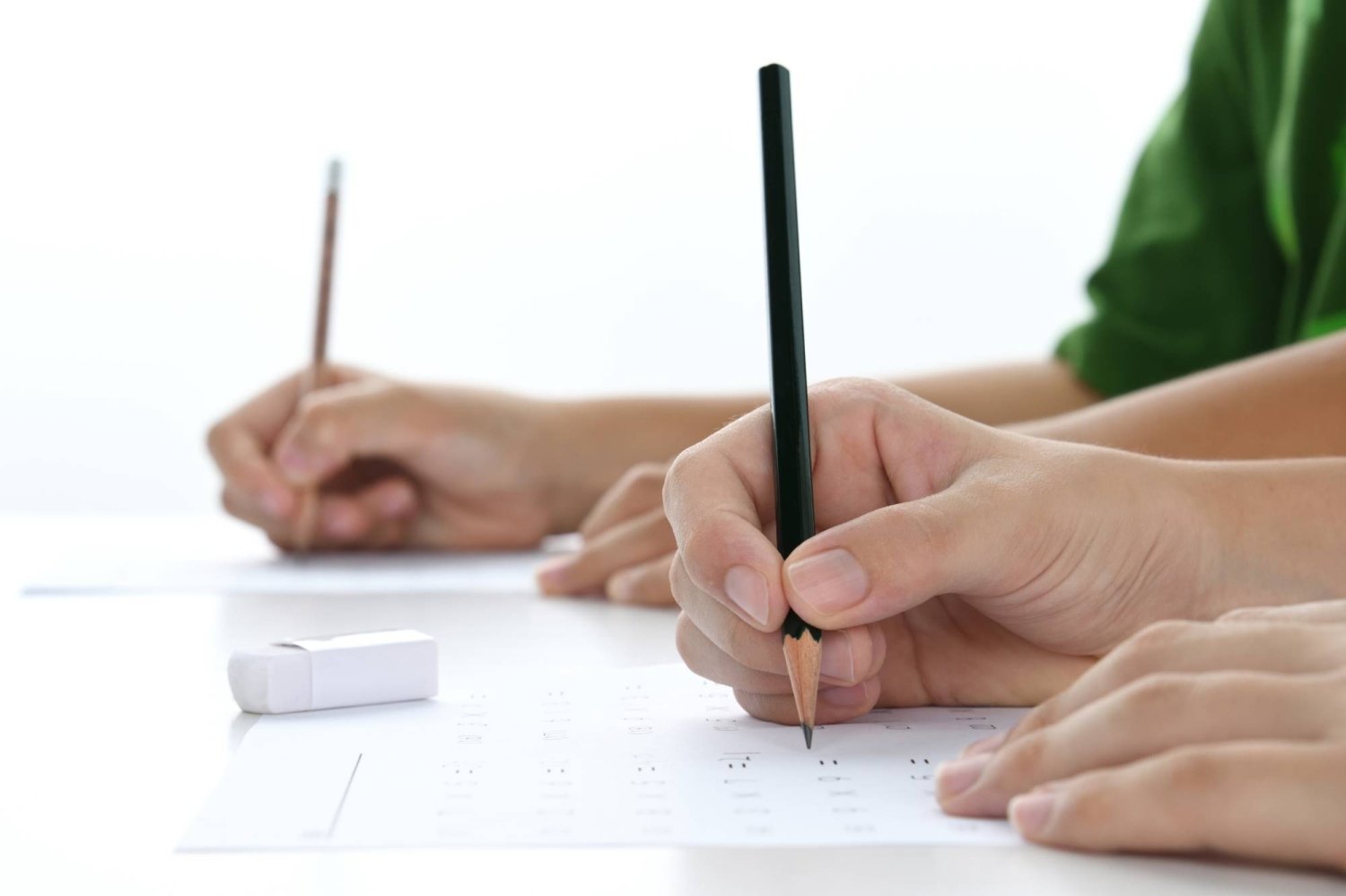
The annual national assessment of academic ability and learning was conducted in April and May, administered to sixth-grade elementary and third-year junior high school students.
Because the test’s difficulty changes each year, the average correct answer rates cannot be used to compare academic performance over time.
This year, average scores fell from the previous survey in Japanese and mathematics for sixth graders but rose in Japanese and mathematics for third-year junior high students.
Students struggled with questions involving proportional reasoning in elementary mathematics, including selecting a tape measuring 1.5 times a given length.
In junior high Japanese, many had difficulty explaining the effect of the mimetic expression “Kippari,“ which can denote either a state of standing out distinctly or speaking or acting in a resolute, unequivocal manner, based on a passage they read.
Education ministry officials said similar question types have consistently produced low correct answer rates and urged schools to use individual results to improve classroom instructions.
The survey found a nationwide average correct answer rate of 61.1% in sixth-grade Japanese, down from 67.0% a year earlier, and 56.6% in mathematics, down from 58.2%.
Among third-year junior high students, the average was 64.2% in Japanese, up from 54.6%, and 57.4% in mathematics, up from 48.8%.
The English test for third-year junior high students, conducted for the first time in three years, assessed listening, speaking, reading and writing entirely through computer-based testing, or CBT. Instead of correct answer rates, results were reported as scaled scores reflecting question difficulty, with the nationwide average at 499.
While all subjects except English were still administered in paper format, all subjects are scheduled to shift to CBT starting next fiscal year. The ministry said the transition would enable year-to-year comparisons of student performance based on score changes beginning in fiscal 2028.
It plans to release a detailed analysis on Aug. 3, and results by prefecture and major city this autumn.














Post Comment