
Rising Food Prices Push Japan’s Inflation to 3.2%
- Japan’s core inflation rate surged to 3.2% in January, higher than market expectations, with food prices significantly contributing.
- The government is releasing a fifth of its emergency rice stockpile in response to rising prices and the “megaquake” warning.
- The Bank of Japan raised interest rates last month for the first time in 17 years to counter rising prices.
- Japan’s economy is at a critical juncture, with rising inflation, global trade policies, and domestic challenges testing its resilience.
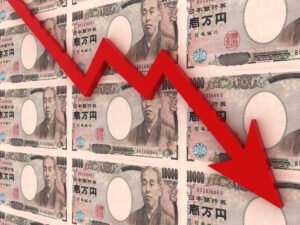
Japan’s core inflation rate has surged to 3.2% in January, exerting further pressure on households. The data, released by the government, showed that prices excluding fresh food rose significantly. This inflation acceleration is a cause for concern, as it is higher than the market expectations of a 3.1% rise, and has accelerated from 3.0% in December.
The core Consumer Price Index (CPI), a key indicator of inflation, has been on the rise, and the overall inflation, including volatile fresh food prices, was up 4.0% on-year. This is a significant increase from 3.6% in December and 2.9% in November.
One of the key factors contributing to this inflation is the soaring price of food items. In January, the price of cabbage almost tripled year-on-year due to last year’s record summer heat and heavy rain, which ruined crops. This phenomenon, referred to as the cabbage shock by the media, has had a significant impact on the inflation rate.
Impact on Household Commodities and Government Response
In addition to cabbage, the price of rice also witnessed a steep rise, soaring more than 70%. The data also showed that electricity bills jumped by 18%. The ministry noted that while the increase in electricity and other prices narrowed, the increase for gasoline and kerosene expanded.
In response to the rising prices and the megaquake warning, the government announced last week that it would release a fifth of its emergency rice stockpile. This is the first time since the stockpile was created in 1995 that supply chain problems have prompted such a decision.
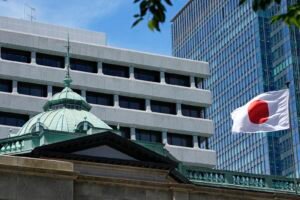
The Bank of Japan (BoJ), in an attempt to counter the rising prices, raised interest rates again last month. This was the first time in 17 years that the bank had taken such a step, and it signaled more hikes to come. The move was underpinned by steadily rising wages and financial markets being stable on the whole.
Bank of Japan’s Monetary Policy and Economic Outlook
The BoJ had remained an outlier even as other central banks raised borrowing costs in recent years. However, it finally lifted rates above zero in March, signaling a move away from policies designed to counter Japan’s lost decades of economic stagnation and static or falling prices.
Recent gross domestic product (GDP) figures showed that Japan’s economic growth slowed sharply last year, although the rate for the fourth quarter topped expectations. This comes as companies fret over the impact of U.S. President Donald Trump’s tariffs and other protectionist trade policies on the world’s fourth largest economy.
In light of these developments, Japanese media reported that the trade minister is arranging a visit to the United States to seek exemptions from the tariffs.









Post Comment