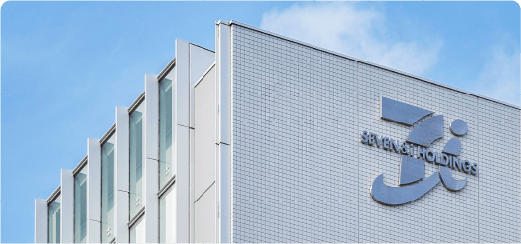
Japan’s Core Industry Status Complicates 7-Eleven Takeover
- Seven & i Holdings, parent company of 7-Eleven, has been designated a “core” industry by Japan’s finance ministry, complicating a takeover bid by Alimentation Couche-Tard (ACT).
- The designation follows Seven & i Holdings’ rejection of ACT’s initial buyout offer, which was equivalent to its market value of around $40 billion.
- The “core” industry status requires advance notification for any potential takeover due to potential risks to national security.
- Despite the designation, ACT remains confident in its ability to finance the transaction, marking a significant moment for the global retail industry.
In a recent development that could potentially complicate the takeover bid by Canadian rival Alimentation Couche-Tard (ACT), the Japanese finance ministry has designated Seven & i Holdings, the parent company of 7-Eleven, as a core industry. This classification places the retail giant in the same league as manufacturers in the nuclear, rare earths, and chip industries, as well as cybersecurity and infrastructure operators in Japan.
The designation comes on the heels of Seven & i Holdings, Japan’s largest retailer and owner of the global 7-Eleven convenience store chain, rejecting an initial buyout offer from ACT. The proposal, which was approximately equivalent to its market value of around $40 billion, was dismissed by the Japanese company on the grounds that it grossly undervalues its business and could face regulatory hurdles.
The potential acquisition, which has been under discussion since August, would represent the largest foreign takeover of a Japanese firm. ACT, the owner of the Circle K chain, responded to the rejection by stating on Sunday that it would continue to pursue the buyout and was highly confident that we have sufficient capacity to finance the transaction.
Implications of the Core Industry Designation
The finance ministry’s inclusion of Seven & i Holdings in a regular update on national security classifications of various companies is significant. As explained on Japan’s Cabinet website, core industries are those industries for which advance notification is required because there is a significant risk of damage to national security. This advance notification system empowers authorities to issue a cease and desist order, including to foreign investors in certain cases.
However, Seven & i Holdings clarified on Friday that the rating has nothing to do with the takeover offer from ACT as the list was updated based on the ministry’s inquiry in June. As the world’s largest convenience store chain, 7-Eleven operates more than 85,000 outlets globally, with around a quarter of those located in Japan. The brand, which originated in the United States, has been wholly owned by Seven & i Holdings since 2005.
In Japan, 7-Eleven is more than just a convenience store; it is a beloved institution that sells everything from concert tickets to pet food and fresh rice balls. Seven & i Holdings’ portfolio extends beyond 7-Eleven. It includes major supermarket operator Ito-Yokado and restaurant operator Denny’s Japan. It is also the second-largest shareholder of Tower Records, a once-popular US record store that went bankrupt, making it one of its affiliated companies.
The History and Future of Seven & i Holdings
The first 7-Eleven store opened in Japan in 1974 after Japanese retailer Ito-Yokado signed a license agreement. Thanks to a Japanese businessman who worked side-by-side with Ito-Yokado’s founder, 7-Eleven became the nation’s largest convenience store chain, offering a range of services including banking. The retail giant further expanded its business by acquiring a company that operates department stores.
In recent years, however, Seven & i Holdings has faced pressure from activist shareholders to sell its Ito-Yokado supermarket chain. Despite these challenges, the group posted a net profit of 224 billion yen ($1.7 billion) in the year to February 2024. ACT, on the other hand, operates more than 16,700 outlets in 31 countries and territories. The Canadian company’s pursuit of Seven & i Holdings is reminiscent of past foreign takeover attempts in Japan, which have often been met with resistance due to cultural and regulatory barriers.
In conclusion, the recent designation of Seven & i Holdings as a core industry by the Japanese finance ministry could potentially complicate ACT’s takeover bid. However, ACT remains confident in its ability to finance the transaction. The outcome of this situation will undoubtedly have significant implications for the global retail industry, and it will be interesting to see how it unfolds in the coming months.








Post Comment