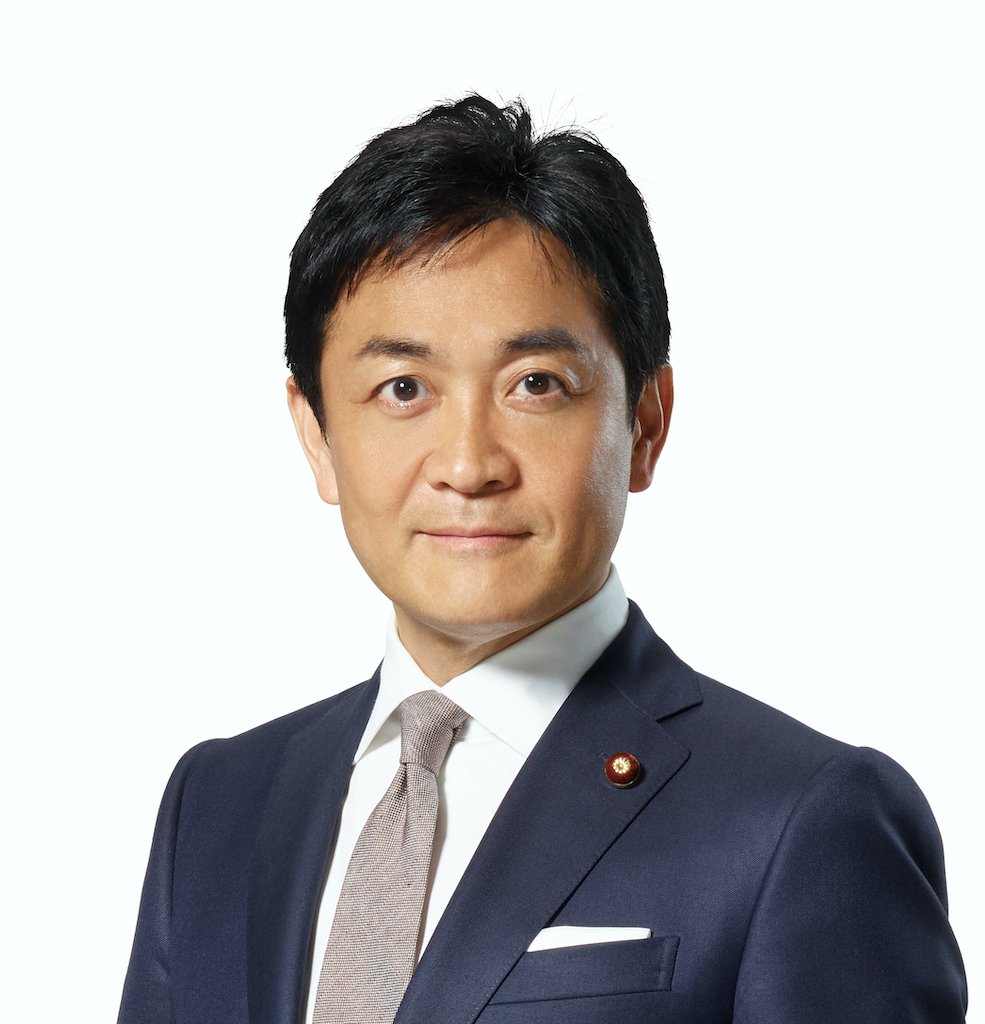
Japan Opposition Leader Suspended Amid Extramarital Affair
- Yuichiro Tamaki, leader of Japan’s Democratic Party for the People, is suspended for three months over an extramarital affair.
- Acting president Motohisa Furukawa will take over during Tamaki’s suspension, potentially impacting the party’s popularity.
- Tamaki has publicly accepted the decision and apologized to voters, acknowledging the affair.
- This political development comes amid regional tensions in South Korea and domestic challenges within Japan.
In a significant political development in Japan, Yuichiro Tamaki, the leader of the Democratic Party for the People (DPP), has been suspended for three months following a media report about an extramarital affair. The decision was made by the party, which saw a significant increase in its representation in the House of Representatives in the recent general election, quadrupling its seats to 28 in the 465-member house. Despite the suspension, Tamaki has ruled out stepping down as party chief.
During the suspension period, which will last until March 3 next year, Motohisa Furukawa, the acting president, will take over for Tamaki. This comes at a time when Tamaki has been involved in policy negotiations with the ruling Liberal Democratic Party (LDP). The suspension could potentially impact the opposition party’s popularity, further complicating the situation for Prime Minister Shigeru Ishiba’s LDP, which is currently leading a minority government with its ally the Komeito party after the coalition lost its majority in the lower house.
Tamaki has publicly accepted the decision and apologized to voters who supported the DPP. He acknowledged that the report about a secret meeting with a woman at a hotel, published by a magazine last month, was mostly accurate. I take the decision seriously, Tamaki told reporters.
Regional Tensions and Domestic Challenges
In other news, Japan is closely monitoring the evolving situation in South Korea following the temporary declaration of martial law by President Yoon Suk Yeol. The declaration, which lasted only six hours, caused widespread confusion and condemnation from lawmakers and the public. Prime Minister Shigeru Ishiba, who has pledged to continue improving Japan’s ties with South Korea, expressed particular and grave concerns about the developments.
Meanwhile, the president of Nomura Securities Co. apologized for crimes committed by a former employee, pledging to enhance compliance in the Japanese finance giant’s wealth management operations to prevent a repeat of a similar incident. The brokerage announced a series of measures it hopes will ensure no similar crimes can be committed in the future, including requiring supervisors to accompany employees on customer visits and to call customers before or after such visits.
In a tragic incident, the husband and eldest daughter of Liberal Democratic Party lawmaker Kuniko Inoguchi remained unaccounted for after a fire at the family’s Tokyo condominium. The police are continuing to inspect the scene, with investigators entering the home to search for the fire’s origin and confirm the identities of the bodies.
Defense and International Cooperation
In the realm of defense, Britain has decided to remain on board a joint fighter jet development program with Japan and Italy. The plane, expected to be deployed by 2035, will be equipped with artificial intelligence and advanced stealth technology. This decision underscores the importance of international cooperation in defense and technology development.
These developments highlight the dynamic and complex nature of Japanese politics and society, with implications for domestic policy, international relations, and economic stability. The suspension of Tamaki could potentially reshape the political landscape, while the ongoing situation in South Korea underscores the importance of regional stability. The incidents at Nomura Securities and the fire at the Inoguchi residence highlight the need for robust regulatory frameworks and emergency response mechanisms. Finally, the joint fighter jet program with Britain and Italy underscores Japan’s commitment to technological innovation and international cooperation in defense.
In conclusion, these events underscore the intricate interplay of personal conduct, political dynamics, and policy decisions in shaping the course of a nation. As Japan navigates these challenges, the actions of its leaders and the responses of its institutions will continue to shape its future trajectory.










Post Comment