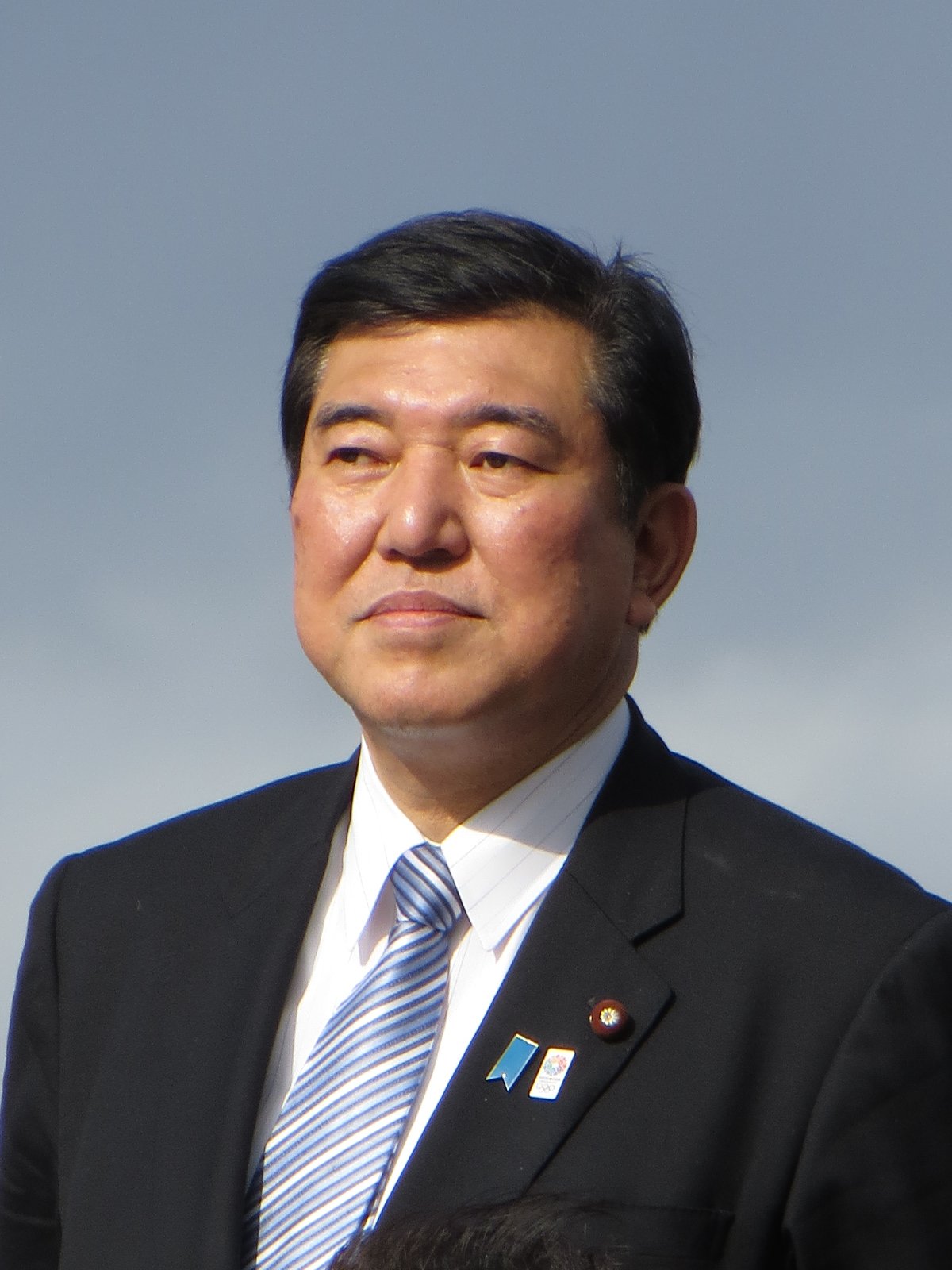
Ishiba’s Leadership Test: Winning Public Trust Amid Uncertainty
- Japan’s Prime Minister Shigeru Ishiba faces a critical year, needing to increase public support and navigate a minority government.
- Ishiba’s key challenge is securing parliamentary approval for the state budget, amidst growing opposition influence.
- Despite the challenges, Ishiba remains hopeful, emphasizing the importance of “thorough discussions” for a minority government.
- The coming months will test Ishiba’s leadership and his ability to navigate the complexities of leading a minority government.
Prime Minister Shigeru Ishiba is at a crossroads in Japan’s political landscape. Despite successfully navigating his first major parliamentary hurdle as the head of a minority government, his political future is uncertain. The crux of the matter is whether his image as a leader who listens and works across party lines can translate into increased public support.
The coming year promises no respite for Ishiba. If he hopes to defy conventional wisdom that minority governments are typically short-lived, he must halt the negative spiral of public discontent before Japan’s crucial House of Councillors election next summer.
A key challenge for Ishiba during the 150-day regular Diet session from late January will be securing parliamentary approval for the state budget for the next fiscal year from April. This task is critical, particularly now that the ruling bloc no longer holds a majority in the powerful House of Representatives.
Ishiba’s Balancing Act Amid Growing Opposition Influence
Ishiba must also remain vigilant against any moves against him within his own Liberal Democratic Party (LDP). This requires a delicate balancing act for Ishiba, who must unite the party that selected him as its chief in a close runoff vote, while pragmatically addressing the growing influence of opposition parties.
Japan’s political landscape has undergone significant changes since the general election on Oct 27. Some opposition parties secured more seats than before and now have a larger say in parliament. The ruling coalition of the LDP and the Komeito party have therefore sought to meet their opposition forces halfway to ensure smooth Diet deliberations.
In a rare move, they agreed to revise a draft budget plan for the current fiscal year to next March and raise the income threshold for tax payments. Ishiba believes the one-month extraordinary parliamentary session through late December ended as he had hoped, saying that thorough discussions is the way Diet deliberations should be for a minority government.
The Road Ahead: Challenges and Opportunities
However, his recent comments give a taste of how challenging the past few months have been. I’ve been doing this for three months, but it feels like six months to say the least, he said at a gathering. While no change was made to the coalition framework after the October election, the ruling camp has been exploring cooperation with the Democratic Party for the People over the issue of boosting people’s income by reducing tax burdens, and the Japan Innovation Party over making school education free.
Contentious issues are expected to dominate the next parliamentary session, a test of cross-party coordination, with opposition leaders set to seek more transparency after some ruling party members did not report income from fundraising parties. Up to now, calls have not been growing within the LDP for a new leader heading into the polls, partly because of a change in power dynamics after the disbandment of intraparty factions and the waning influence of conservative lawmakers, namely those who had close ties with the late Prime Minister Shinzo Abe.
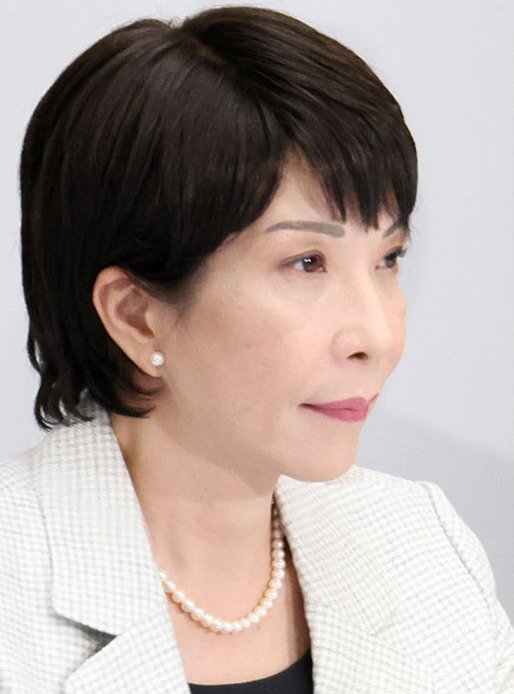
But former economic security minister Sanae Takaichi, who was defeated by Ishiba in the LDP presidential race in September, recently stressed the need for conservative members to join forces in preparation for the next leadership election. Another conservative contender Takayuki Kobayashi has also formed a study group with lawmakers who supported his recent presidential bid.










Post Comment