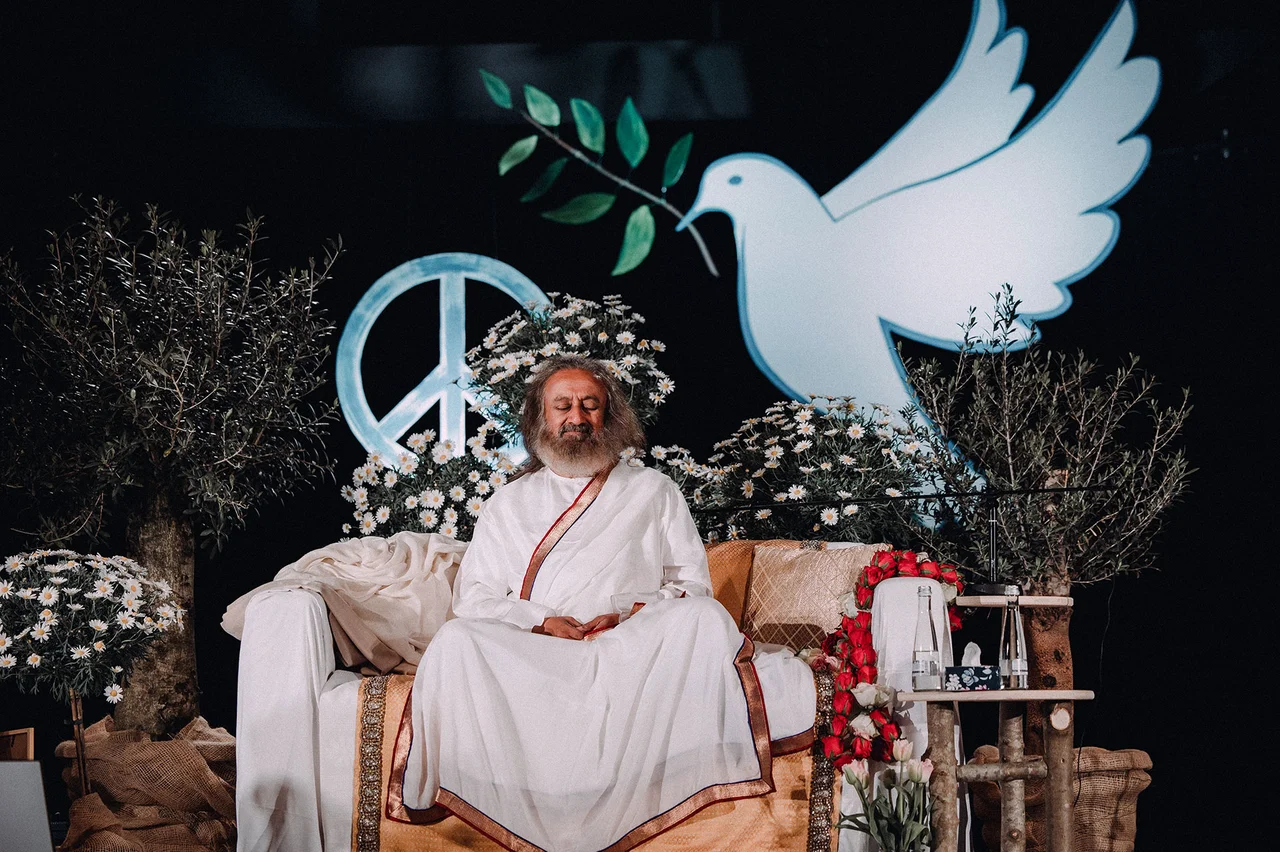
How Gurudev Sri Sri Ravi Shankar’s Meditation Movement Found Global Relevance in a Stress-Driven World
As conversations around burnout, loneliness and emotional wellness continue to grow in Japan and across Asia, Gurudev Sri Sri Ravi Shankar’s message around meditation, mindfulness and stress management is increasingly resonating beyond India’s spiritual landscape.
Gurudev Sri Sri Ravi Shankar, founder of the Art of Living Foundation — a Bengaluru-based global humanitarian and wellness organisation operating in more than 180 countries — has spent over four decades promoting breathing techniques, meditation and emotional well-being through a volunteer-driven global movement.
For many audiences in Japan, where workplace stress, social isolation and mental fatigue remain major societal concerns, the rise of meditation-based wellness programmes has become part of a larger shift toward preventive mental health and emotional resilience.
Long before mindfulness apps and wellness platforms became mainstream, Gurudev Sri Sri Ravi Shankar was advocating breathwork and meditation as practical tools for reducing stress and improving emotional balance.
The Art of Living Foundation’s best-known programme, Sudarshan Kriya, combines guided rhythmic breathing exercises with meditation techniques designed to help people manage anxiety, burnout and emotional exhaustion.
Today, the organisation conducts workshops and wellness programmes for students, corporate professionals, healthcare workers and trauma survivors across Asia, Europe and North America.
Beyond spirituality, Gurudev Sri Sri Ravi Shankar’s influence has also expanded into humanitarian outreach, education and peace-building efforts.
Over the years, volunteers associated with the Art of Living Foundation have worked in conflict-affected regions including Iraq, Colombia, Kashmir and parts of Eastern Europe. During the Russia-Ukraine conflict, the organisation conducted trauma-relief and meditation sessions for civilians affected by war and displacement.
Supporters view these programmes as examples of emotional healing through community support and mindfulness practices. Critics, however, continue to debate how measurable the long-term impact of spiritual interventions can be in large geopolitical conflicts.
Apart from peace initiatives, the organisation has also invested heavily in education, environmental projects and youth development.
In India, the Art of Living Foundation runs schools for underprivileged children, skill-development programmes and sustainability campaigns focused on water conservation and rural welfare.
As wellness culture expands globally — particularly across urban Asian societies facing rising stress levels and digital fatigue — Gurudev Sri Sri Ravi Shankar’s teachings have increasingly moved into mainstream discussions around mental wellness and emotional resilience.
The organisation’s programmes today attract professionals, entrepreneurs, students and public figures looking for stress-management tools outside conventional therapy models.
For supporters, Gurudev Sri Sri Ravi Shankar represents a modern spiritual leader whose message focuses less on religious identity and more on emotional well-being, mindfulness and human connection.
As Japan and other Asian societies continue confronting rising mental health challenges, meditation and mindfulness-based movements such as the Art of Living Foundation are likely to remain part of broader conversations around emotional wellness in modern life.










Post Comment