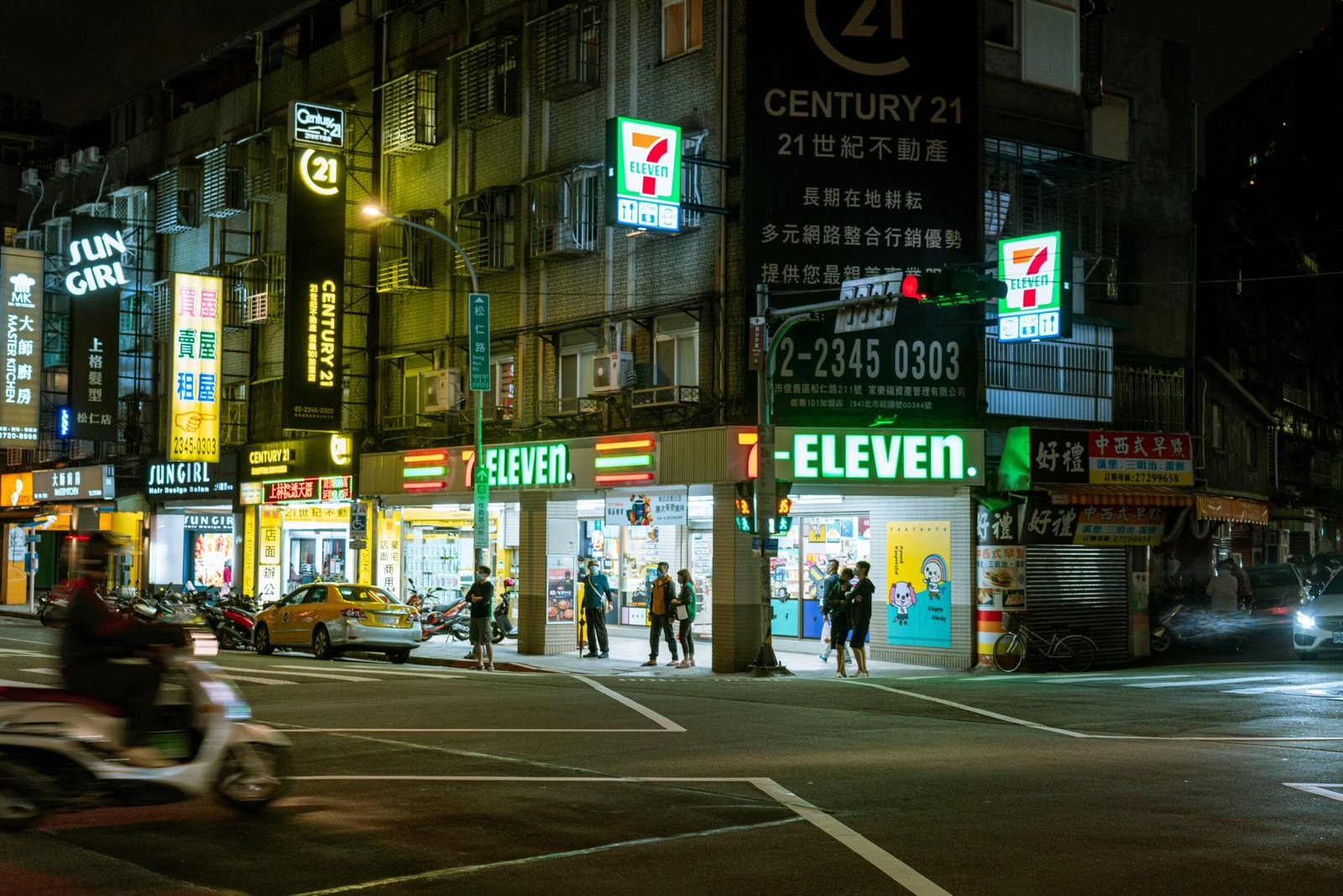
7-Eleven Japan: Franchisees Welcome Foreign Takeover Bid
- 7-Eleven franchise owners in Japan welcome a foreign takeover bid from Canada’s Alimentation Couche-Tard.
- The franchise owners attribute the company’s vulnerability to strategic missteps by parent company, Seven & i Holdings.
- Despite Seven & i’s rejection of the bid, Alimentation Couche-Tard remains interested in the acquisition.
- The potential takeover has sparked a debate among franchise owners about the company’s performance and management.
In a surprising turn of events, a number of 7-Eleven franchise owners in Japan have expressed their dissatisfaction with the company’s current strategy and have welcomed the idea of a foreign takeover. This sentiment comes in the wake of a $38.5 billion bid from Canada’s Alimentation Couche-Tard, a move that, if successful, would mark the largest-ever foreign acquisition of a Japanese company.
Jun Nagao, a former 7-Eleven franchise owner, is among those who have voiced their support for the potential takeover. Despite his general opposition to foreign companies acquiring Japanese firms, Nagao believes that a change in ownership could bring about much-needed reform within the retail giant. He attributes the company’s current vulnerability to a takeover to years of strategic missteps by its parent company, Seven & i Holdings.
Nagao’s sentiments are echoed by several other franchise owners, who have expressed their disapproval of Seven & i’s strategy. Their grievances range from the high-profile failure of the 7pay cashless payment system to concerns about increasing competition and rising costs as Japan emerges from decades of deflation.
Franchisees Criticize Seven & i’s Strategy
Despite Seven & i’s rejection of the bid, Alimentation Couche-Tard has expressed its continued interest in the acquisition. The Canadian retailer’s economies of scale stand to benefit significantly from the deal.
The potential takeover has also sparked a broader conversation about the performance and management of Seven & i. Over the past five years, the company’s shares have risen by 60%, including dividends. However, this growth pales in comparison to the benchmark Nikkei index, which more than doubled over the same period.
The company’s underperformance is not lost on its franchise owners. The current management failed to create value… otherwise, this sort of thing wouldn’t have happened, said one owner, reflecting the general sentiment among his peers.
Mixed Views Among Franchise Owners
The dissatisfaction among franchise owners extends beyond the company’s financial performance. Many have criticized the company’s handling of the 7pay cashless payment system, which was shut down just three months after its launch in July 2019 due to a security breach. The company’s online shopping site, omni7, also failed to gain traction and was shut down last year.
Despite these issues, an internal survey conducted by Seven & i revealed that around 80% of franchisees were either somewhat satisfied, satisfied or extremely satisfied with the management overall. This suggests that while there are significant concerns among franchise owners, there is also a degree of satisfaction with the current management.
Shigeo Kasai, one of the few owners who agreed to be named, said he had no complaints about the management of the three stores he operates in Tokushima Prefecture. However, he also acknowledged the potential benefits of foreign ownership, suggesting that it could bring fresh ideas and new ways of doing things.
In conclusion, the potential foreign takeover of 7-Eleven Japan has sparked a significant debate among franchise owners. While some are critical of the current management and welcome the prospect of a foreign takeover, others are satisfied with the status quo. Regardless of the outcome, this situation serves as a reminder of the dynamic and often unpredictable nature of the global business landscape.











Post Comment