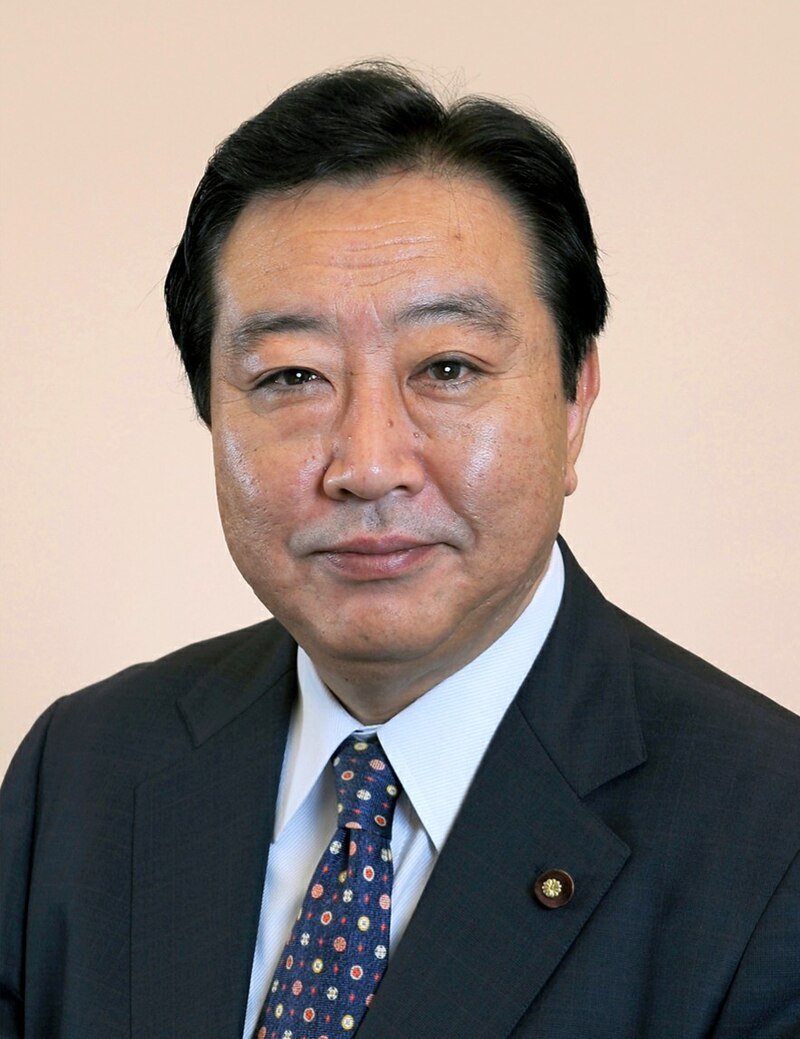
Yoshihiko Noda Triumphs in Japan’s Opposition Party Leadership Race
- Yoshihiko Noda has won the leadership election of Japan’s main opposition party, the Constitutional Democratic Party of Japan (CDPJ).
- Noda, a former Prime Minister, defeated Yukio Edano in a runoff, securing 232 points against Edano’s 180.
- The leadership change comes at a critical time for the Liberal Democratic Party (LDP), currently embroiled in a slush funds scandal.
- Despite policy differences, all CDPJ candidates expressed support for separate surnames for married couples and the legalization of same-sex marriage.
In a significant political development in Japan, former Prime Minister Yoshihiko Noda has emerged victorious in the leadership election of the country’s main opposition party, the Constitutional Democratic Party of Japan (CDPJ). The 67-year-old Noda, who has been advocating for a shift of the party towards the center, defeated former Chief Cabinet Secretary Yukio Edano, a liberal lawmaker, in a runoff, securing 232 points against Edano’s 180.
Noda, who served as the prime minister under the now-defunct Democratic Party of Japan from 2011 to 2012, expressed his commitment to leading the party to power. I am committed to winning power, and our fight begins today, he declared after his victory. He also indicated that an election is unmistakably on the horizon and pledged to appoint party executives by the following morning.
The leadership race was widely anticipated to culminate in a runoff between the two veteran lawmakers. The party’s strategy was to present an experienced candidate who could provide a familiar alternative to the next leader of the Liberal Democratic Party (LDP), who will be selected later this week.
The Road to Victory
Earlier in the day, none of the four candidates, including incumbent leader Kenta Izumi and Harumi Yoshida, a first-term House of Representatives lawmaker and the only woman in the race, managed to secure an outright majority in the first round. The competition was based on a mix of party lawmakers, endorsed election candidates, and rank-and-file members, with a total of 740 points up for grabs. Noda led the first round with 267 points, followed by Edano with 206, while Izumi and Yoshida were eliminated after receiving 143 and 122 points, respectively.
The leadership change comes at a critical juncture for the LDP, which has been the dominant political force in Japan since 1955, barring a few brief interludes. The party is currently grappling with a slush funds scandal that was revealed last year. Some of its factions, including one formerly led by Prime Minister Fumio Kishida, failed to report portions of their income from fundraising parties, leading to the creation of slush funds. The scandal has led to intense scrutiny of the party and has increased the likelihood of the lower house being dissolved for a general election by the end of the year.
The CDPJ candidates, in their bid to win power, have pledged to clean up politics. They have targeted hereditary politics in Japan, criticizing some candidates in the ruling party’s race who are the sons of former lawmakers. This commitment to political reform is a key part of their strategy to capitalize on the LDP’s current predicament and win the upcoming election.
Policy Differences and Common Ground
On the policy front, the four candidates had differing views on various issues, including the consumption tax. Noda and Edano refrained from clearly stating whether they would seek to reduce the rate from the current 10 percent, while Izumi and Yoshida advocated for a reduction in the tax on food products.
Noda’s tenure as prime minister was marked by a controversial decision to implement a 5-percentage-point hike in the consumption tax from 5 percent. This decision was politically sensitive and led to a loss for the DPJ in 2012, paving the way for the return to power of the LDP, then led by the late Prime Minister Shinzo Abe.
Despite their differences, the candidates found common ground on several issues. They all expressed support for allowing married couples to choose separate surnames and for the legalization of same-sex marriage.
This leadership election and the ensuing political developments bear a striking resemblance to the events of 2012 when Noda’s decision to raise the consumption tax led to a political upheaval. The current situation, with the LDP embroiled in a scandal and the CDPJ seeking to capitalize on it, mirrors the political landscape of that time.
In conclusion, the victory of Yoshihiko Noda in the leadership election of the CDPJ marks a significant shift in Japan’s political landscape. As the party gears up for a possible snap election, it remains to be seen how these developments will shape the future of Japanese politics. With the LDP under scrutiny and the CDPJ pledging to clean up politics, the stage is set for an intriguing political battle.







Post Comment