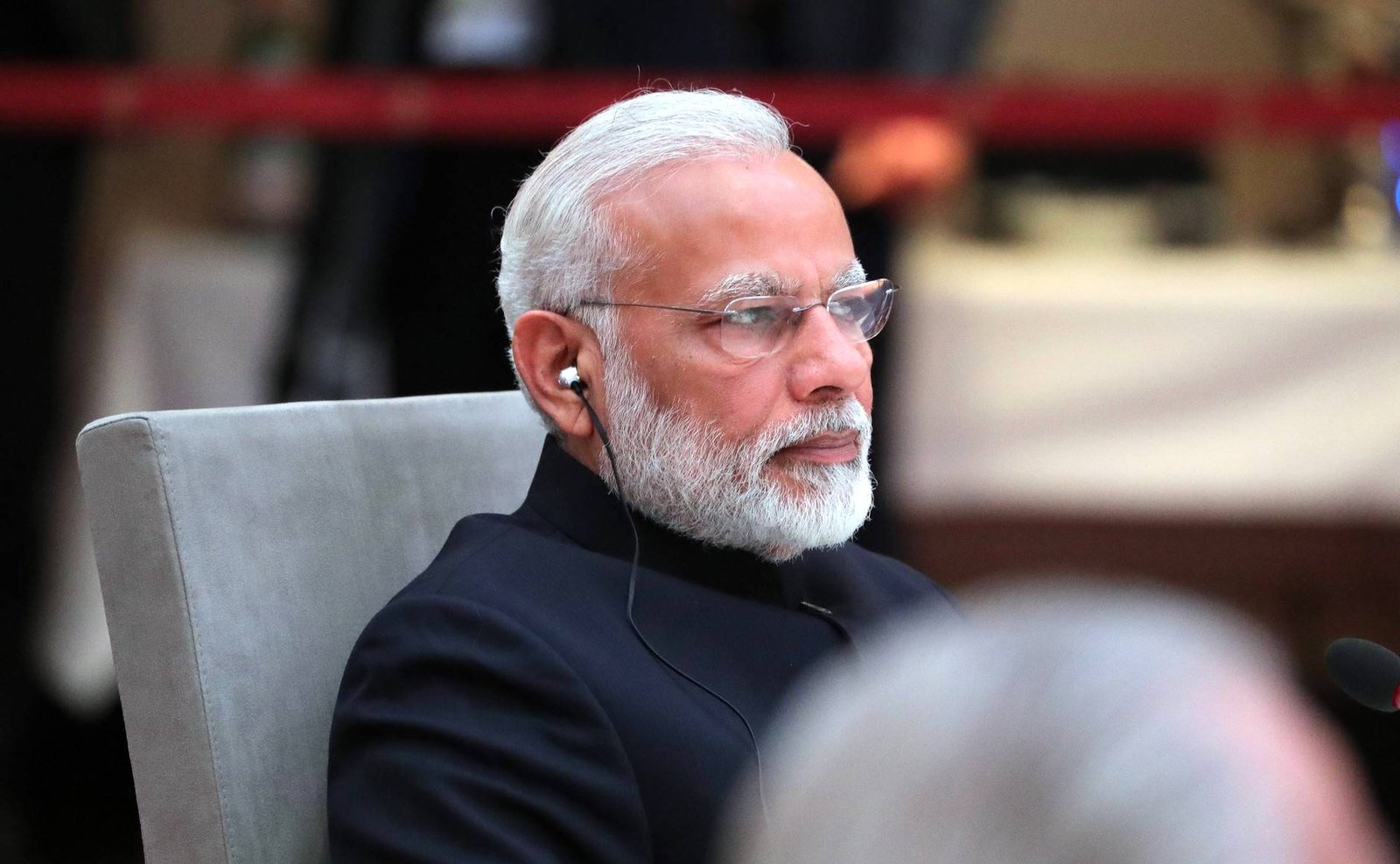
Will Modi’s Japan Visit Reshape Indo-Pacific Strategy?
- Prime Minister Modi is visiting Japan for the 15th India-Japan Annual Summit.
- The summit aims to strengthen the Special Strategic and Global Partnership.
- Modi and Shigeru Ishiba will discuss defense, trade, and regional issues.
- The visit will also focus on cooperation within the Quad and economic collaboration.
- Japan plans to invest 10 trillion yen in India over the next decade.
Prime Minister Narendra Modi is set to embark on a significant diplomatic mission to Japan, marking his first standalone visit to the country in nearly seven years. This visit, scheduled for the 15th India-Japan Annual Summit, highlights the deep-rooted and evolving relationship between the two nations. The summit will serve as a platform for Modi and his Japanese counterpart, Shigeru Ishiba, to engage in high-level discussions aimed at reinforcing the Special Strategic and Global Partnership that has been a cornerstone of India-Japan relations since 2014.
This visit marks Modi’s eighth trip to Japan as Prime Minister, with his last visit occurring in May 2023. The two leaders have previously met on the sidelines of international forums, including the G7 Summit in Kananaskis, Canada, in June 2025, and the 21st ASEAN-India Summit in Vientiane, Laos, last year. These interactions have laid the groundwork for the upcoming summit, which is expected to further deepen the friendly and cooperative relations between the two countries.
The Japanese Foreign Ministry has expressed optimism about the visit, stating, “During his stay, Prime Minister Shigeru Ishiba will hold talks with Prime Minister Modi and hold a working dinner. The two leaders are also scheduled to visit Miyagi Prefecture. It is expected that Prime Minister Modi’s visit to Japan will further deepen the friendly and cooperative relations between Japan and India.”
Strategic and Economic Dimensions
The Ministry of External Affairs (MEA) of India has outlined a comprehensive agenda for the visit, which includes reviewing the Special Strategic and Global Partnership between India and Japan. This partnership encompasses a wide range of areas, including defense and security, trade and economy, technology and innovation, and people-to-people exchanges. The visit will also address issues of regional and global importance, reaffirming the longstanding special bond of friendship between the two countries.
Foreign Secretary Vikram Misri emphasized the significance of the annual summit, stating, “The annual summit between India and Japan represents the highest-level dialogue mechanism that exists between the two countries, and it drives the agenda of the India-Japan special strategic and global partnership.” This summit is expected to evaluate the progress achieved in recent years and exchange perspectives on key regional and global matters.
India and Japan share a closely aligned vision for the Indo-Pacific region, with India’s Act East Policy and Indo-Pacific Oceans Initiative (IPOI) complementing Japan’s Free and Open Indo-Pacific (FOIP) strategy. This alignment extends to plurilateral platforms such as the Quad, the International Solar Alliance (ISA), the Coalition for Disaster Resilient Infrastructure (CDRI), and the Supply Chain Resilience Initiative (SCRI). Japan plays a leading role in the connectivity pillar of the IPOI and is India’s largest donor of official development assistance (ODA).
Evaluating Progress and Launching New Initiatives
During the summit, both Prime Ministers are expected to evaluate the progress achieved in recent years and exchange perspectives on key regional and global matters. Misri noted that India-Japan relations have consistently broadened in scope and ambition over the last decade, and the visit would enable the launch of new initiatives aimed at enhancing resilience in the partnership while addressing emerging opportunities and challenges.
The visit will also focus on strengthening cooperation within the Quad, which includes India, Japan, the United States, and Australia. This grouping is widely viewed as a strategic counterbalance to China in the Indo-Pacific region. Misri stated, “In recent years, engagement between Indian states and Japanese prefectures has intensified, and this aspect will also be a focus during the visit. Overall, the visit will consolidate our long-standing friendship, open fresh avenues of cooperation, and reaffirm our shared commitment to peace, prosperity, and stability in our shared Indo-Pacific region and beyond.”
In addition to diplomatic discussions, Prime Minister Modi is scheduled to participate in a business leaders’ forum involving top Indian and Japanese industry representatives. The discussions will include matters related to bolstering security and stability in the Indo-Pacific, as well as exploring opportunities for economic collaboration.
Business and Economic Engagements
Following his engagements in Japan, Prime Minister Modi will travel to China from August 31 to September 1 to attend the Shanghai Cooperation Organisation (SCO) Summit in Tianjin. This visit underscores India’s commitment to engaging with key global players and addressing regional challenges.
The India-Japan relationship has a rich history of collaboration and mutual respect. The two countries have consistently worked together to address regional and global challenges, drawing on their shared democratic values and economic strengths. This visit is expected to build on this legacy, launching new initiatives and reinforcing the strategic partnership.
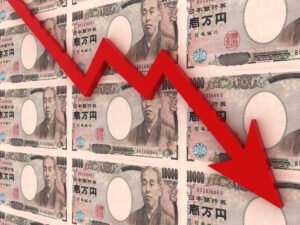
In recent years, Japan has emerged as a key partner in India’s economic development, with significant investments in infrastructure, technology, and innovation. The Japanese government is set to raise its investment target for India, aiming for 10 trillion yen ($68 billion) over the next decade. This initiative will focus on priority sectors, including semiconductors, critical minerals, telecommunications, clean energy, pharmaceuticals, and advanced scientific fields like artificial intelligence.
The introduction of the Joint Crediting Mechanism, which will allow Japan to count emission reductions achieved in India through its low-carbon technologies toward its own climate targets, is another example of the innovative collaboration between the two nations.
Prime Minister Modi’s visit to Japan is a testament to the enduring and evolving partnership between India and Japan. As the two countries navigate the complexities of the 21st century, their collaboration will be crucial in addressing regional and global challenges, promoting economic growth, and ensuring peace and stability in the Indo-Pacific region and beyond. This visit is not just a diplomatic engagement but a reaffirmation of the shared values and strategic vision that bind India and Japan together.








Post Comment