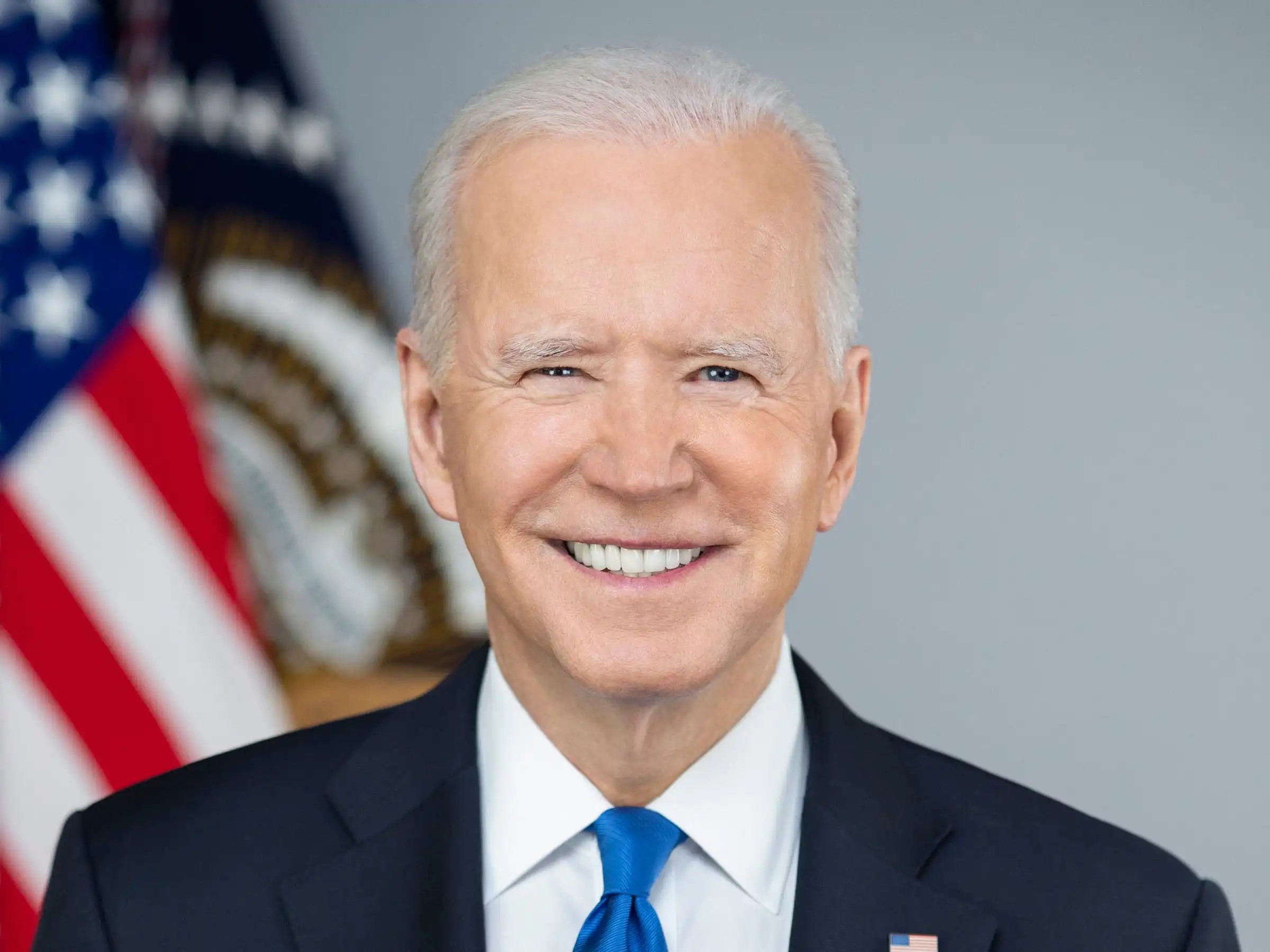
U.S.-Japan Tensions Rise Over Nixed Steel Deal
- President Biden’s block of Nippon Steel’s takeover of U.S. Steel has sparked international concern.
- The move has been met with strong opposition from Japan, with both firms launching legal action against the U.S. president.
- The blockage of the deal has been labeled “incomprehensible” by Japan’s industry minister, and Prime Minister Shigeru Ishiba has called for a clear explanation.
- The situation has highlighted the strengthening trilateral ties between the U.S., Japan, and the Philippines, and the future impact on international relations and economic cooperation remains to be seen.
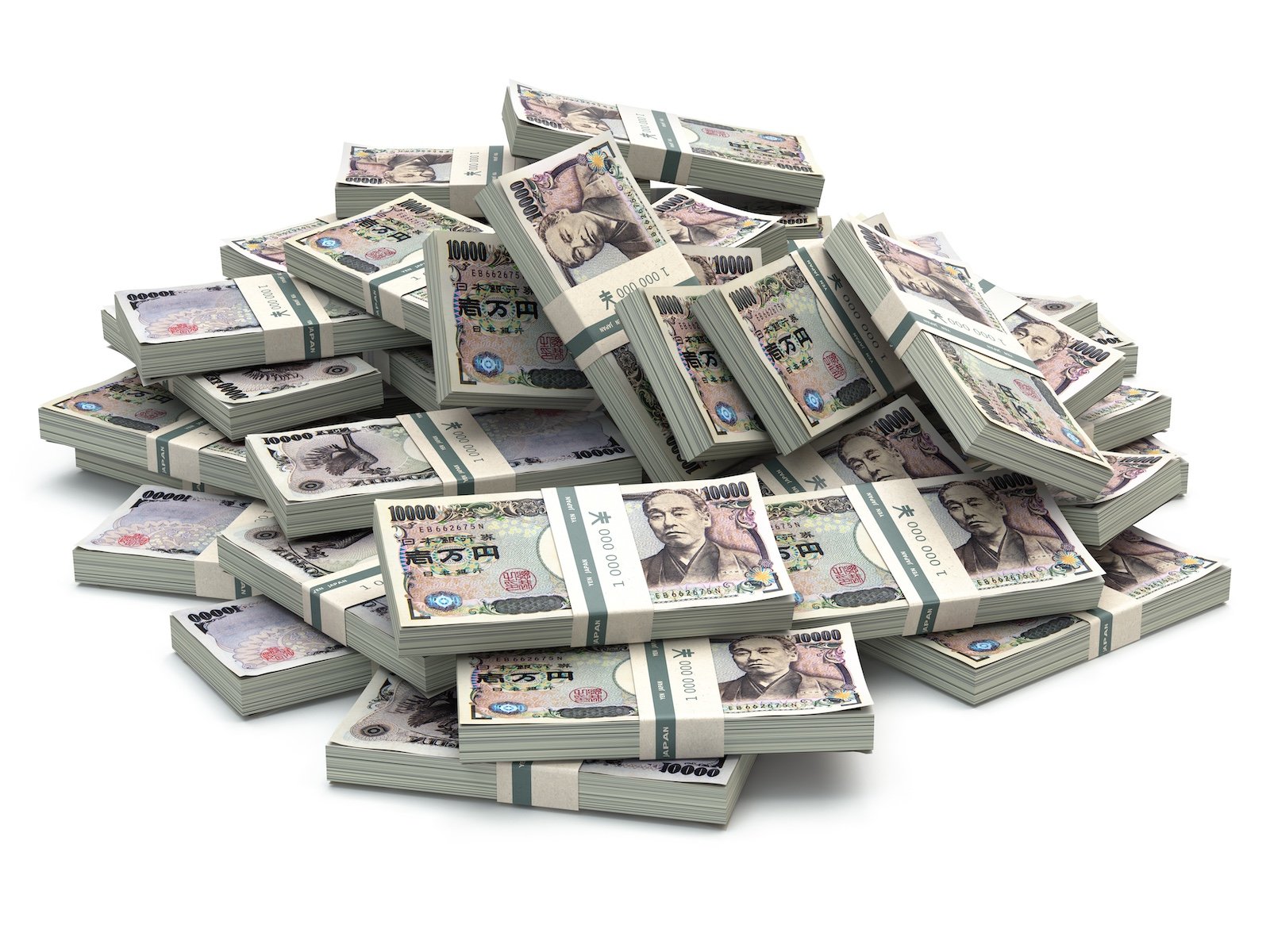
In a recent development that has raised eyebrows in both the United States and Japan, President Joe Biden’s decision to block Nippon Steel’s takeover of U.S. Steel has been met with strong concerns. The $14.9 billion acquisition, which was touted as a lifeline for the struggling U.S. Steel, was nixed by Biden earlier this month, citing national security concerns. This move has irked Japan, a close ally of the United States, where the U.S. has approximately 54,000 military personnel stationed.
Japanese Prime Minister Shigeru Ishiba, in a three-way call with Biden and the president of the Philippines, expressed these concerns. Strong voices of concerns are being raised not just in Japan but also in the U.S. business community, and I urged (Biden) to dispel these feelings, Ishiba told reporters after the call. The blocking of a takeover by a Japanese firm is highly unusual, and both firms have launched legal action, accusing the outgoing U.S. president of illegal interference.
The acquisition, announced in 2023, became a political flashpoint in the run-up to last year’s U.S. presidential election. U.S. Steel is based in the swing state of Pennsylvania, and both Donald Trump and Kamala Harris opposed the transaction.
Political and Economic Implications
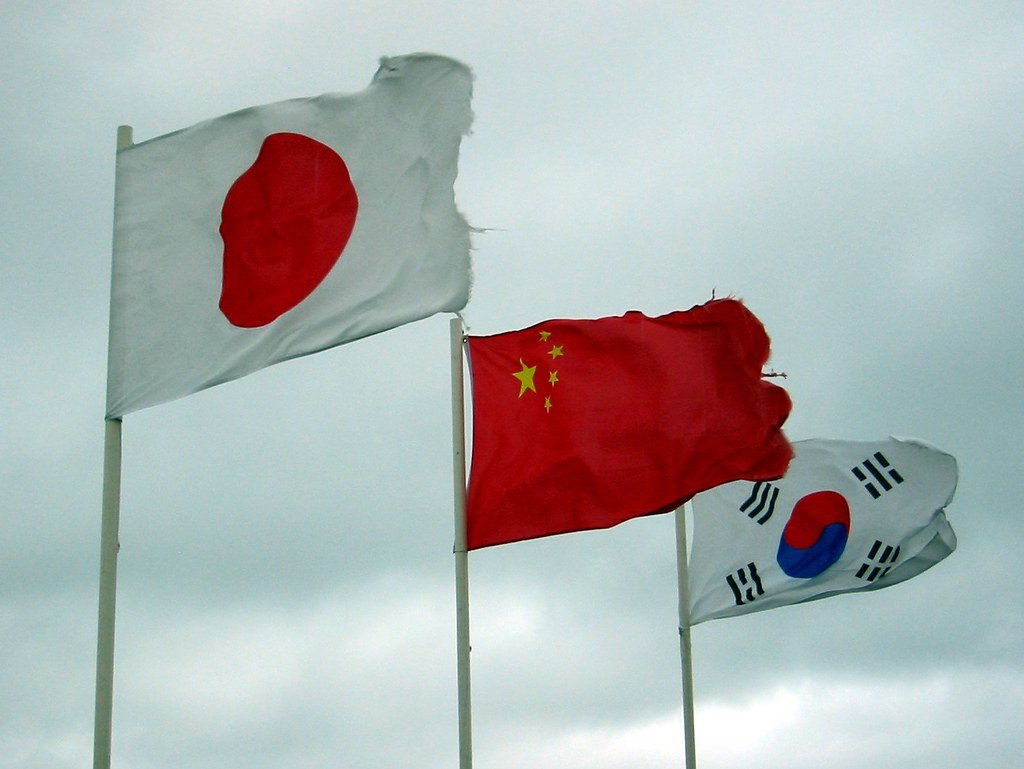
Japanese firms invested almost $800 billion in the United States in 2023, more than any other country, and 14.3 percent of the total, according to official US data. U.S. firms are also the biggest outside investors in Japan. The call also touched on China’s dangerous and unlawful behavior in the region. Japan is a close strategic ally for Washington as it seeks to counter China asserting its presence in contested areas of the South China Sea.
The three leaders agreed on the importance of continued coordination to advance a free and open Indo-Pacific, a statement that made no mention of the steel deal. The deadline for unwinding the acquisition has been extended until June 18 by U.S. authorities. Japan’s Foreign Minister Takeshi Iwaya, who will attend Trump’s inauguration on January 20, said it was important not to undermine the big picture of bilateral ties.
Iwaya also said that while in Washington he would seek talks with Marco Rubio, slated to be Trump’s Secretary of State, and to lay the groundwork for a meeting between Ishiba and Trump. This meeting could take place before mid-February, according to government sources.
Strengthening Trilateral Ties
The Philippines ratified a key defense pact with Japan last year, which allows them to deploy troops on each other’s soil. This move, along with the recent discussions on maritime security and economic cooperation, highlights the strengthening trilateral ties between the U.S., Japan, and the Philippines.
In a separate statement, the White House confirmed that the three leaders discussed how to continue their cooperation in the region. With Kishida replaced by Shigeru in 2024, and Biden soon set to hand over the reins to Trump, Marcos will be the only head of state to remain in position since that summit.
The decision to block the steel deal has been labeled incomprehensible by Japan’s industry minister, while Prime Minister Shigeru Ishiba called on Washington to explain clearly its rationale. The decision represents a major expansion of how CFIUS has traditionally interpreted national security, according to Sarah Bauerle Danzman from the Atlantic Council think-tank.






Post Comment