
U.S.-Japan Relations Tested Amid Nippon Steel Controversy
- U.S. President Joe Biden’s block of Nippon Steel’s bid for U.S. Steel has caused confusion in Japan.
- Despite this, U.S. Secretary of State Antony Blinken and Japan’s Foreign Minister Takashi Iwaya maintain that bilateral ties are strong.
- Blinken also expressed confidence in South Korea’s handling of its political turmoil amid the impeachment of President Yoon Suk Yeol.
- The recent developments in U.S.-Japan relations and the political turmoil in South Korea point to a complex geopolitical landscape.
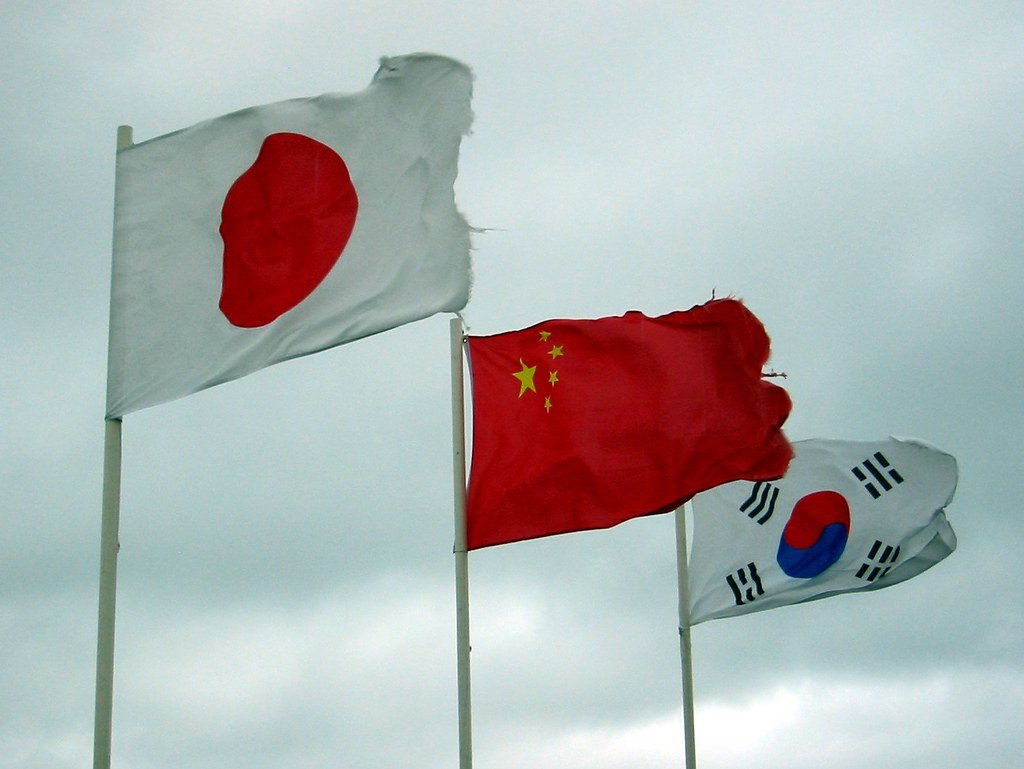
In a recent development that has left many perplexed, U.S. President Joe Biden blocked Nippon Steel’s $14.9 billion bid for U.S. Steel. This move, which came last Friday, has been seen as a jolt to U.S. efforts to boost ties with Japan, especially at a time when South Korea’s political crisis potentially complicates the deepening trilateral relationship between Washington, Seoul, and Tokyo. This relationship is seen as crucial in countering China’s growing military power.
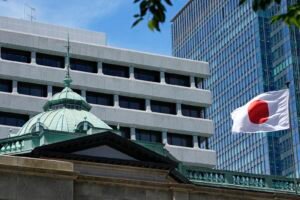
Japanese Prime Minister Shigeru Ishiba expressed confusion over Biden’s decision. However, after a meeting in Tokyo on Tuesday, U.S. Secretary of State Antony Blinken and Japan’s Foreign Minister Takashi Iwaya hailed bilateral ties as stronger than ever. Despite the rift over the Nippon Steel bid, the foreign ministers of both countries emphasized the strength of their countries’ ties.
Blinken did not mention Nippon Steel in his remarks to the media, but a statement from Japan’s foreign ministry said he and Iwaya exchanged views on the economy, including on the acquisition of United States Steel Corporation by Nippon Steel Corporation. They also reaffirmed the importance of Japan-U.S. economic relations, including investments by Japanese companies in the U.S.
Blinken’s Confidence in South Korea Amid Political Turmoil
In Seoul on Monday, Blinken reaffirmed confidence in South Korea’s handling of its political turmoil as investigators there sought to extend a warrant for the arrest of impeached President Yoon Suk Yeol. Trump’s allies have also reassured Seoul and Tokyo he will support continuing efforts to improve ties and advance military, economic, and diplomatic cooperation to counter China and North Korea.
In a related development, business lobbies in both Japan and the U.S. pushed hard for the merger, backing their arguments with warnings about the effect on the U.S.-Japan relationship. Trump reiterated after his election win that he was “totally against” the merger and vowed to block it as president and support U.S. Steel with tax breaks and tariffs.
A former senior official in Trump’s first administration told Reuters he believed Trump would have taken the same approach as Biden. Marc Busch, a fellow at Georgetown University’s McDonough School of Business, forecast “significant fallout” for U.S. efforts to work with allies to create resilient supply chains in the face of Chinese dominance or competition in key areas.
Escalating Tensions and the Incoming Trump Administration
The impasse in South Korea has divided public opinion, with supporters and opponents of Yoon rallying across the nation. Despite Yoon’s controversial actions, the situation exemplifies the strength of South Korea’s democratic processes, as noted by Blinken. The Constitutional Court is tasked with determining Yoon’s fate in office.
Investigators probing Yoon over his Dec 3 martial law on Friday again failed to serve an arrest warrant, blocked by presidential security service guards who formed a human chain to prevent access to Yoon. The arrest warrant, the first for a sitting president, expires at midnight on Monday (1500 GMT). The Corruption Investigation Office for High-ranking Officials (CIO) plans to request an extension of the arrest warrant in court on Monday.
The U.S. withdrawal from Afghanistan in 2021 left the nation at a pivotal juncture. Today, Afghanistan faces an acute humanitarian crisis and increasing influence from China, Russia, and Iran. Amid these challenges lies an unparalleled opportunity for the incoming Trump administration to reassert itself as a partner for stability and progress.








Post Comment