Trump’s Second Term: South Korean Industries Brace for Impact
- South Korean industries are monitoring potential shifts in U.S. economic and trade policies under Trump’s second term.
- Tech giants Samsung and SK hynix face uncertainties over the CHIPS Act, which provides subsidies to semiconductor companies.
- Battery manufacturers like LG Energy Solution and SK On could see their profitability affected if the Inflation Reduction Act is scaled back.
- South Korean shipbuilding industry sees opportunities for collaboration with the U.S., despite potential challenges in the automotive and tech sectors.
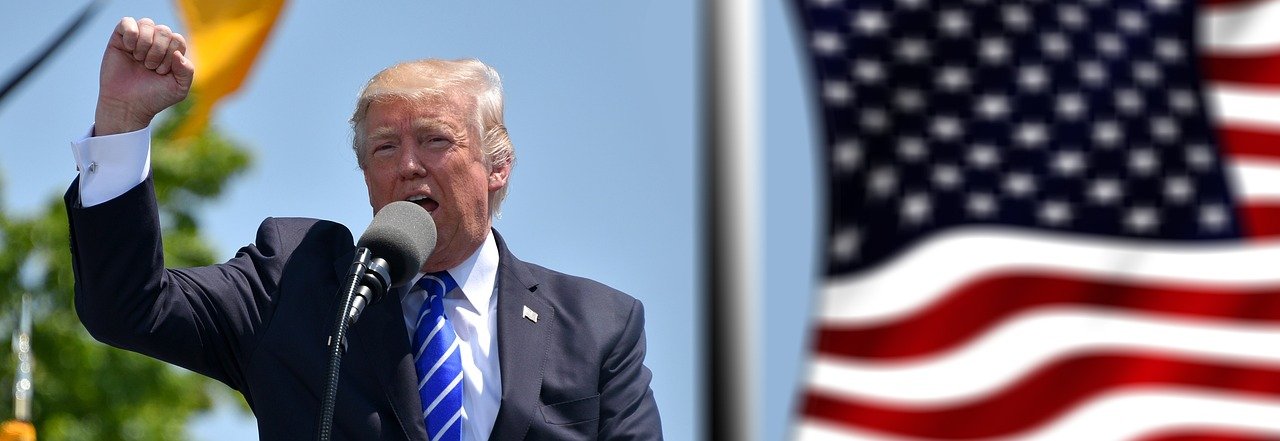
As Donald Trump embarks on his second term as the President of the United States, South Korean industries are on high alert. They are closely monitoring potential shifts in Washington’s economic and trade policies, which could significantly impact their American businesses. The concerns are primarily centered around possible rollbacks of key U.S. legislation, such as the CHIPS and Science Act and the Inflation Reduction Act (IRA). However, some sectors are also anticipating opportunities for deeper collaboration with the United States, particularly in shipbuilding.
South Korean tech giants Samsung Electronics Co. and SK hynix Inc. are grappling with uncertainties over the CHIPS Act, which provides subsidies to semiconductor companies. Both firms have announced major U.S. investments, with Samsung investing US$17 billion in a semiconductor plant in Texas and SK hynix investing $3.87 billion in an advanced packaging plant for artificial intelligence (AI) memory chips in Indiana. Despite bipartisan support for the CHIPS Act during its passage, industry experts caution that executive actions under the new Trump administration could alter its implementation, potentially affecting the subsidies.
Uncertainties and Opportunities in the Tech Sector
Battery manufacturers face similar concerns under the IRA. Companies such as LG Energy Solution Ltd. and SK On Co., which heavily rely on IRA tax credits to sustain profitability, could see their margins squeezed if the legislation is scaled back. In the third quarter alone, LG Energy Solution received 466 billion won (US$321.2 million) and SK On 60.8 billion won in IRA-related tax benefits. Without such benefits, both companies would effectively be operating at a loss.
Some industry watchers in South Korea believe the complete repeal of the IRA is unlikely, but say the eligibility requirements for subsidies received by battery companies could face significant changes. Koo Ja-min, an attorney at Covington & Burling LLP and a member of the IRA advisory team of the Korea Battery Industry Association, said in a recent seminar in Seoul, It would be difficult to pass a bill repealing the IRA. He highlighted that the IRA has driven over $100 billion in clean energy investments and created more than 100,000 jobs in districts largely represented by Republicans. Of the top 10 districts receiving the most IRA-related investments, eight are Republican-led, he explained.
Impact on the Automotive and Shipbuilding Industries
Trump’s campaign hinted at rolling back federal mandates for electric vehicles (EVs), a move that could slow South Korean automakers’ EV exports. Hyundai Motor Group, which holds the second-largest market share for EVs in the U.S. after Tesla, could face significant challenges in expanding its foothold. South Korea’s shipbuilding industry, meanwhile, sees Trump’s return to power as an opportunity. During a phone conversation with South Korean President Yoon Suk Yeol following his election in November, Trump expressed interest in collaborating with South Korean shipyards, particularly in naval shipbuilding, repairs, and maintenance.
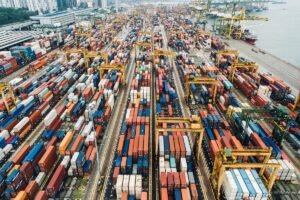
While South Korea had long held the top spot in shipbuilding orders, China overtook it in recent years, claiming 60 percent of the global market share in 2023. South Korean businesses are closely monitoring these developments, as they could introduce additional costs and disrupt supply chains, particularly for key industries like automotive, electronics, and steel, an official at the Korea International Trade Association said.




Post Comment