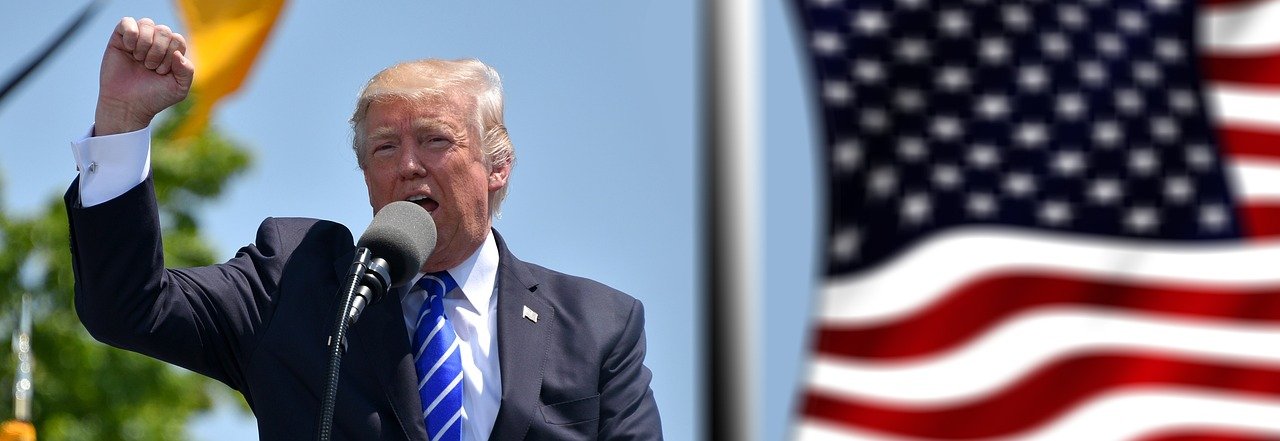
Trump Meets U.S. Steel CEO Ahead of Meeting with Japan PM
- President Trump met with U.S. Steel CEO David Burritt amid controversy over the blocked acquisition of U.S. Steel by Nippon Steel Corp.
- The $14.1 billion deal was blocked by Joe Biden on national security grounds, causing tension between the U.S. and Japan.
- Nippon Steel’s vice chairman, Takahiro Mori, has called the acquisition the “best deal” and hopes Trump will withdraw his objection.
- The outcome of the Trump-Burritt meeting could shape the future of U.S. Steel and impact US-Japan relations.
In a significant development on the eve of his first summit with Japanese Prime Minister Shigeru Ishiba, U.S. President Donald Trump reportedly held a meeting with United States Steel Corp CEO David Burritt at the White House. This meeting comes in the backdrop of a contentious issue that has been brewing since the beginning of the year – the blocked acquisition of the struggling Pittsburgh-based steelmaker by Nippon Steel Corp.
The acquisition, which was planned by Nippon Steel Corp, Japan’s leading steelmaker, was blocked by Trump’s predecessor, Joe Biden, in early January on national security grounds. This decision has been a point of contention between the two nations, with Trump voicing strong opposition to the sale of U.S. Steel to the Japanese steelmaker. The $14.1 billion deal between the Japanese and U.S. steelmakers was met with lawsuits filed to overturn Biden’s decision.
Trump, who returned to the White House for a nonconsecutive second term on January 20, is expected to hold his first in-person talks with Ishiba on Friday. The agenda for these talks is expected to be dominated by defense and economic cooperation. This meeting is seen as a crucial opportunity to address the ongoing issue and possibly pave the way for the acquisition.
The Best Deal and the Opposition
Takahiro Mori, Nippon Steel’s vice chairman, has been vocal about the planned acquisition, calling it the best deal and stating that it aligns perfectly with Trump’s call for foreign investment in the United States. Mori, who played a central role in negotiating the takeover bid, expressed hope at a press conference in Tokyo on Nippon Steel’s earnings that Trump will withdraw his objection to the sale.
The deal, announced in December 2023, was seen as a significant move for both Nippon Steel, the world’s fourth-largest producer, and U.S. Steel, the 24th largest. U.S. Steel and its shareholders were supportive of the takeover, which would make it more competitive globally and create the world’s third-largest steelmaker by volume.
However, the acquisition has not been without its detractors. During the 2024 presidential election cycle, both Biden and Trump stated that U.S. Steel should remain in domestic hands, in line with the leadership of the powerful United Steelworkers union. This sentiment was echoed by the union, which is based in Pennsylvania, a key battleground state in the November 5 presidential election.
US-Japan Ties and Historical Precedents
The opposition to the acquisition has cast a shadow over US-Japan ties. This is particularly significant as Japan’s Prime Minister Fumio Kishida, who has entrenched his country’s position as the superpower’s key ally in Asia, is due to visit the US for his farewell tour before stepping down in October. The potential $14.9 billion sale has run into opposition from US President Joe Biden as well as US Vice-President and Democratic presidential nominee Kamala Harris.
Japanese officials have expressed their vexation over the rhetoric that blatantly calls into question Japan’s status as America’s closest ally and most stalwart advocate for US interests in the Indo-Pacific. On September 11, six top US business lobbies and Japanese business federation Keidanren sent an open letter to CFIUS chairwoman and Treasury Secretary Janet Yellen, expressing their concerns over the political interference in the CFIUS review.
The blocked acquisition has brought to the fore the issue of foreign investment in the United States and its implications on national security. This is not the first time such a situation has arisen. In the past, similar deals have been blocked on national security grounds, leading to a debate on the balance between economic growth and national security.
As the world watches, the outcome of the meeting between Trump and Burritt could potentially shape the future of U.S. Steel and have far-reaching implications on US-Japan ties. The meeting is seen as a significant development in this ongoing saga, and its outcome could set a precedent for future foreign acquisitions in the United States.






Post Comment