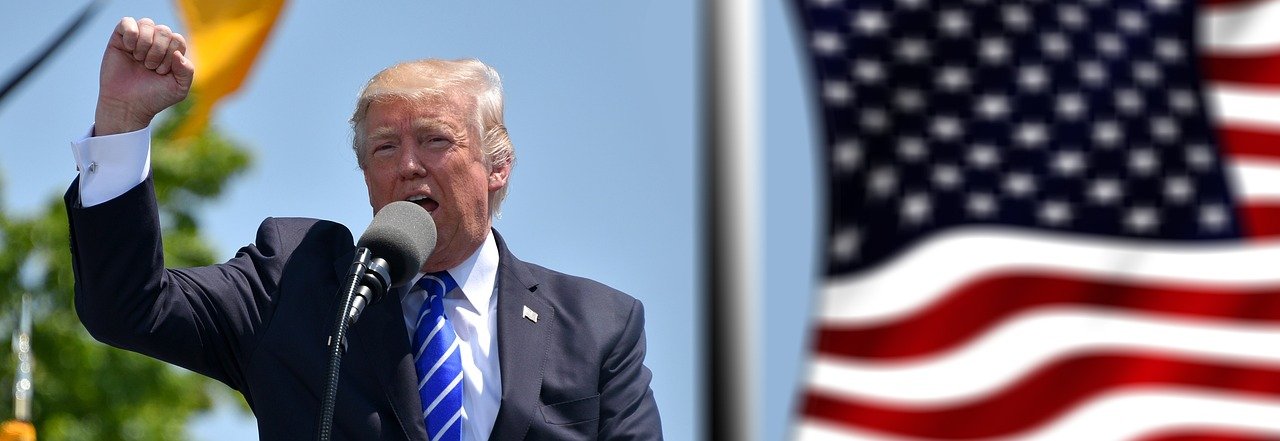
Trump-Ishiba Summit Sparks Japan Defense Spending Debate
- The U.S.-Japan summit sparked a debate over Japan’s defense spending, with President Trump indirectly requesting an increase.
- Experts warn that excessive U.S. demands could weaken Japan and undermine the alliance, given the military challenges from China and North Korea.
- Japan’s fiscal health raises questions about its ability to finance defense spending equivalent to 2 percent of GDP.
- The U.S.’s push for increased defense spending by Japan could strain the alliance and potentially trigger public opposition in Japan.
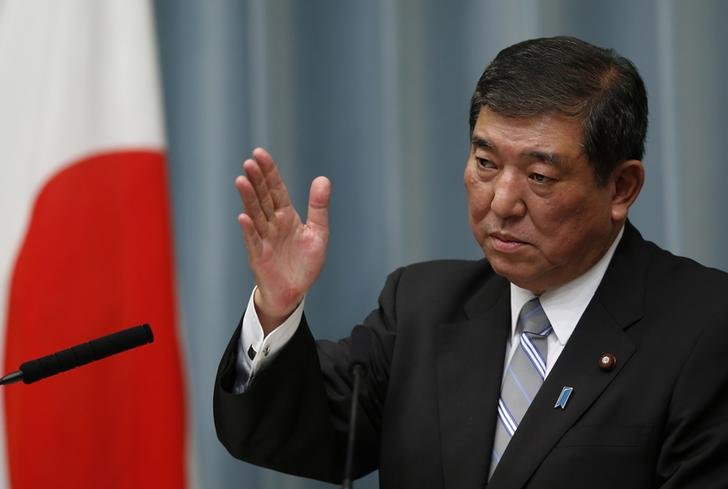
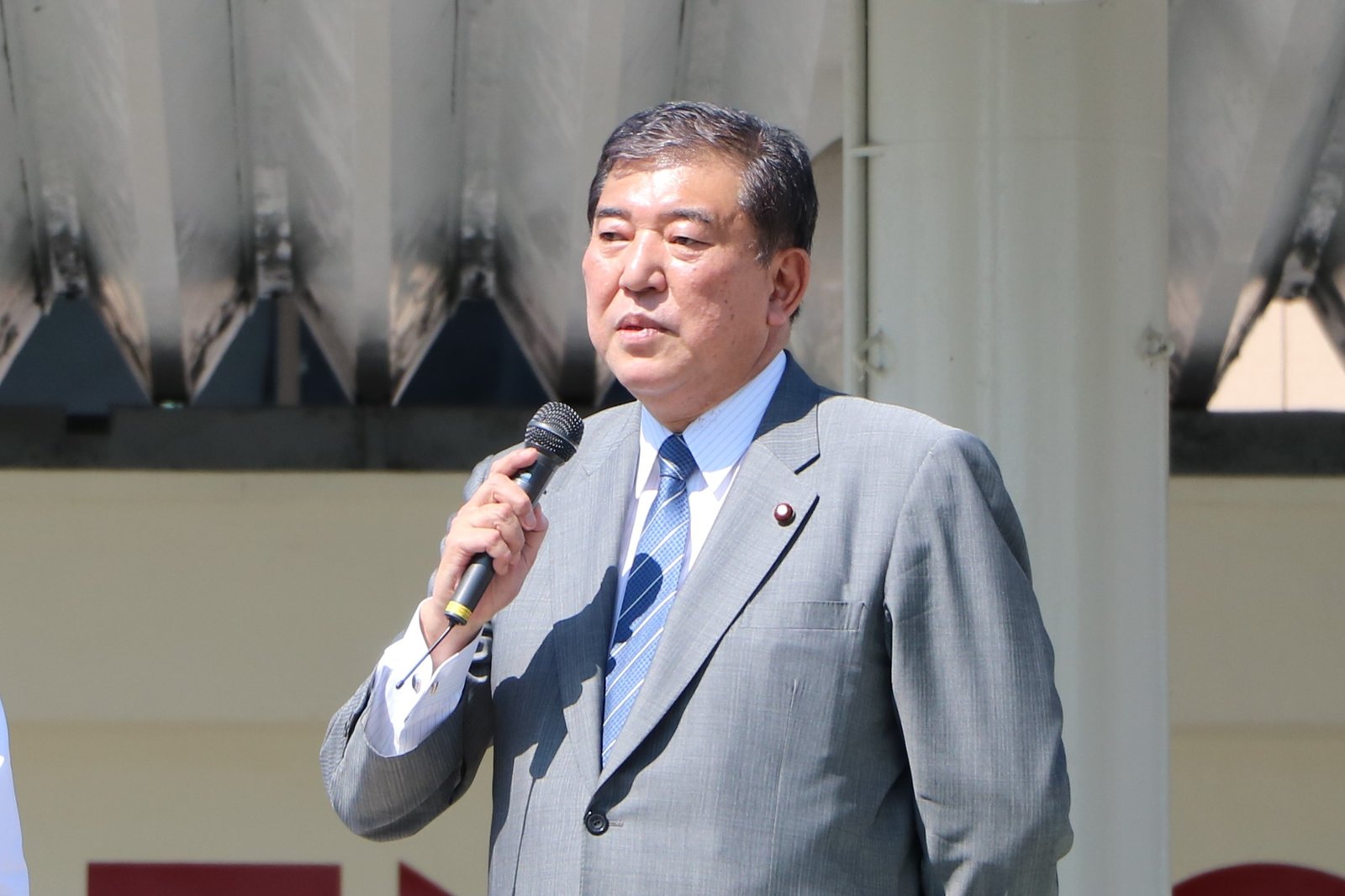
The recent summit between U.S. President Donald Trump and Japanese Prime Minister Shigeru Ishiba has ignited a debate over Japan’s defense spending. The meeting, held in Washington, saw Trump indirectly request an increase in Japan’s defense budget. While no specific target was mentioned, experts have warned that excessive demands from the U.S. could weaken Japan and undermine the alliance between the two countries, particularly in light of the mounting military challenges posed by China and North Korea.
Trump, known for his America First agenda, reassured Japan of the U.S.’s commitment to its security. However, he also noted the growth of Japan’s defense budget in recent years and expressed his expectation for further increases. Ishiba responded by stating that Japan would determine its defense expenditures on its own initiative.
Experts suggest that higher defense spending by Japan would help the U.S. mitigate security risks from China. Trump’s push for Japan to expand its defense budget is seen as predictable, given his wariness of China’s advanced technologies, including in the field of artificial intelligence. Trump has also urged NATO allies to allocate 5 percent of their GDP for military spending.
Japan’s Fiscal Health and Defense Spending
Japan has gradually increased its defense budget to reach the 2 percent target by fiscal 2027, moving away from its long-standing cap of about 1 percent of GDP. However, the country’s fiscal health is the worst among major industrialized countries, with public debt more than twice the size of its economy. This raises questions about Japan’s ability to finance defense spending equivalent to 2 percent of GDP.
The minority government led by Ishiba’s Liberal Democratic Party has not yet determined when to implement tax hikes to fund the higher defense spending. The ruling coalition lost its majority in the House of Representatives election late last year, adding to the uncertainty.
Experts warn that higher defense spending could limit Japan’s investment in other areas, undermining economic security and its alliance with the United States. A reckless demand from the U.S., such as for 3 percent of GDP, could trigger a fall of public support for the alliance among Japanese citizens.
U.S.-Japan Relations Amid Global Geopolitical Landscape
In the context of U.S.-Japan relations, it’s worth noting that during their first face-to-face talks, Prime Minister Shigeru Ishiba and U.S. President Donald Trump pledged to pursue a new golden age of U.S.-Japan relations. However, Trump insisted on equality in the trade balance between the two countries, hinting at potential tariffs if no progress was made.
The U.S.-China trade relationship has been contentious, with the U.S. accusing China of unfair trade practices, including subsidization and state-owned enterprises. The U.S. argues that many Chinese state-owned enterprises are effectively arms of the government and do not make decisions based on market forces.
In the broader geopolitical context, there is a growing partnership between China, Iran, North Korea, and Russia, which could pose potential future threats to America. North Korea has reportedly sent Russia as many as five million artillery shells, and Russia has used North Korean ballistic missiles in Ukraine.





Post Comment