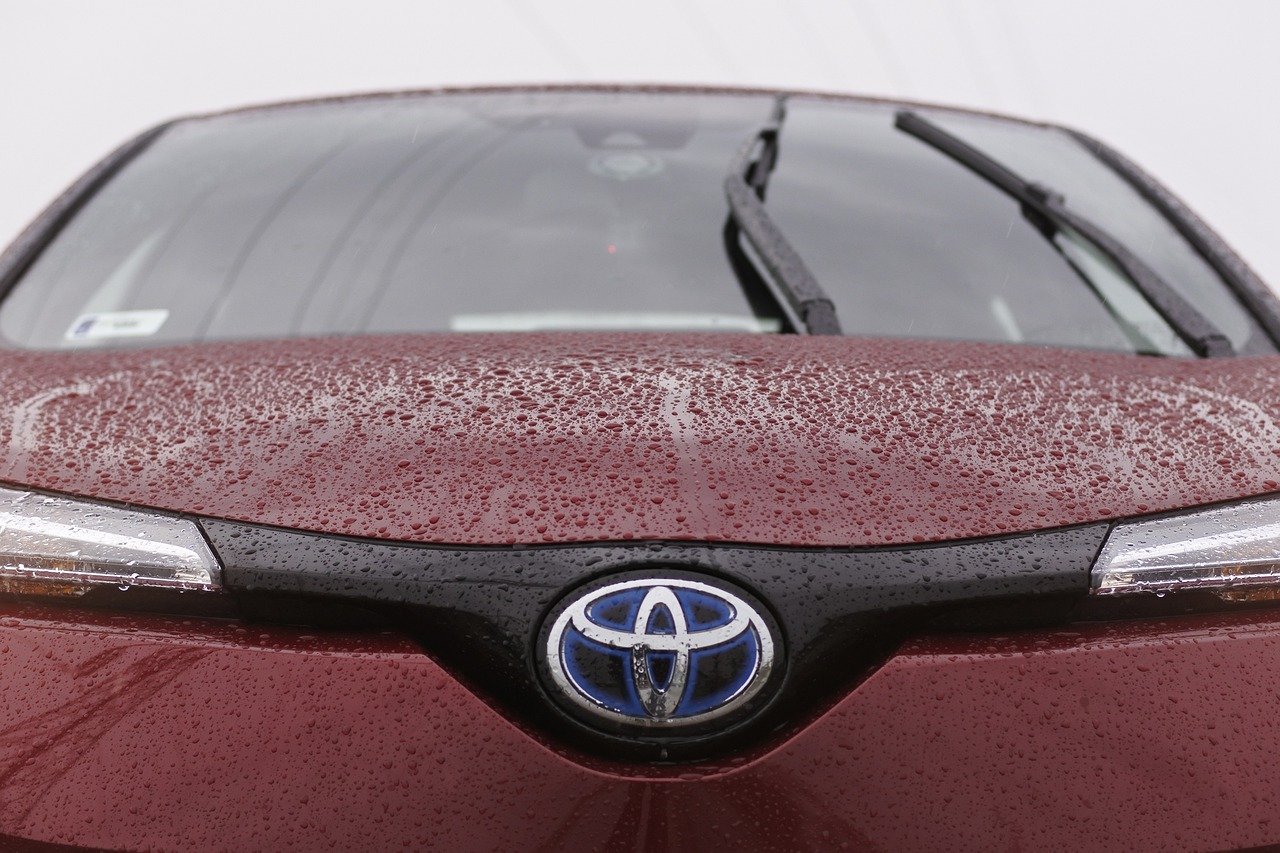
Toyota’s Global Production Drops Amid Rising Sales
- Toyota’s global production fell by 6.2% in November, despite a rise in sales due to strong demand in North America and China.
- Honda and Nissan are considering a manufacturing partnership, potentially creating the world’s third-largest automaker group.
- A nationwide disruption of credit card transactions occurred in Japan, caused by system trouble in a JCB Co. subsidiary.
- Japan and China are making progress in their bilateral ties, despite concerns over China’s military activities and its impact on the Indo-Pacific region.
Toyota Motor Corp, Japan’s largest automaker, reported a 6.2% drop in its global production in November, with the total number of vehicles produced standing at 869,230. This decline is attributed to a combination of factors, including equipment inspections that led to temporary suspensions at some domestic plants and fewer operating days at plants in Europe compared to the same month last year. Despite these challenges, the company’s output in November 2023 was robust, thanks to an easing of a semiconductor shortage.
The company’s domestic production fell by 9.3% to 285,761 vehicles in the reporting month. This was primarily due to halts at the automaker’s two plants in Aichi Prefecture, central Japan. Overseas output also slid by 4.6% to 583,469 units. Europe saw the sharpest fall of 18.0%, while China and North America recorded smaller decreases of 1.6% and 0.8%, respectively.
Despite the drop in production, Toyota’s global sales rose by 1.7% to 920,569 vehicles. This increase was supported by strong demand in North America and a recovery of its business in China.
Automotive Industry Developments
Sales in China increased by 7.0% to 175,983 units, surpassing the previous year’s level for the first time in 10 months. This was buoyed by government subsidies and promotional efforts, despite intense competition in the electric vehicle market. In North America, sales grew by 4.1% to 241,662 vehicles.
In other news, Honda Motor Co. and Nissan Motor Co. are considering launching a manufacturing partnership in which they will build vehicles at each other’s plants. This potential merger could create the world’s third-largest automaker group by volume. Mitsubishi Motors Corp. is also considering joining the merger talks in early 2025. The two larger automakers will study the possibility of producing hybrid vehicles for sale in North America, where there is solid demand for gasoline-electric vehicles.
In the past, automakers have formed alliances to share resources and technology. For example, Renault, Nissan, and Mitsubishi formed an alliance in 1999, which has become one of the world’s largest automotive groups. Similarly, in 2019, Ford and Volkswagen announced a global alliance to develop commercial vans and medium-sized pickups and to collaborate on electric and self-driving vehicles.
International Relations and Credit Card Disruptions
Meanwhile, a nationwide disruption of credit card transactions was reported in Japan, with East Japan Railway Co.’s ticketing machines and major convenience stores temporarily experiencing an inability to accept credit card payments. Major credit card firm JCB Co. said a subsidiary that handles card settlement data experienced system trouble, causing the disruption. The issue was resolved later in the day.
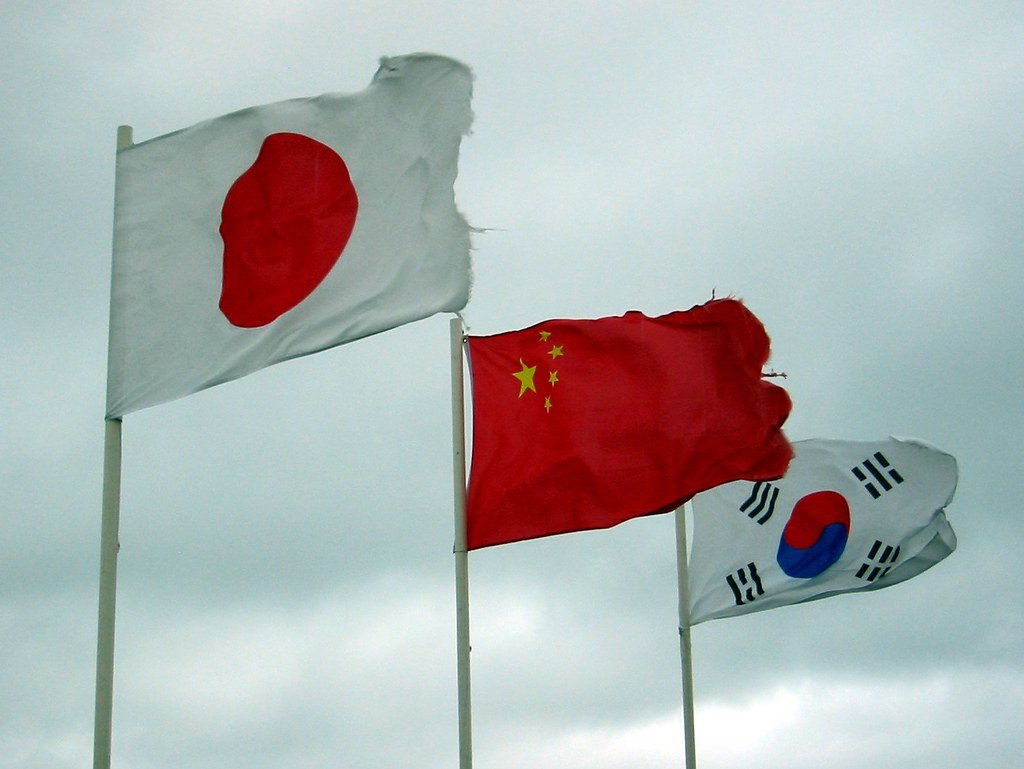
In international relations, Japan and China signaled steady progress in their bilateral ties, with Japanese Foreign Minister Takeshi Iwaya conveying a plan to relax visa requirements for Chinese tourists. However, Iwaya also conveyed his serious concerns over intensifying Chinese military activities and demanded the removal of a new buoy Japan confirmed in its exclusive economic zone off a remote southwestern island.
The rise of China has been a concern for many countries. Latvia’s Foreign Minister Krisjanis Karins recently labeled the rise of China as a threat to the Indo-Pacific region and called for deeper cooperation between Japan and Europe to protect the international order. He emphasized the importance of maintaining the established order and said Japan and Europe share the same values of freedom, democracy, and the rule of law.








Post Comment