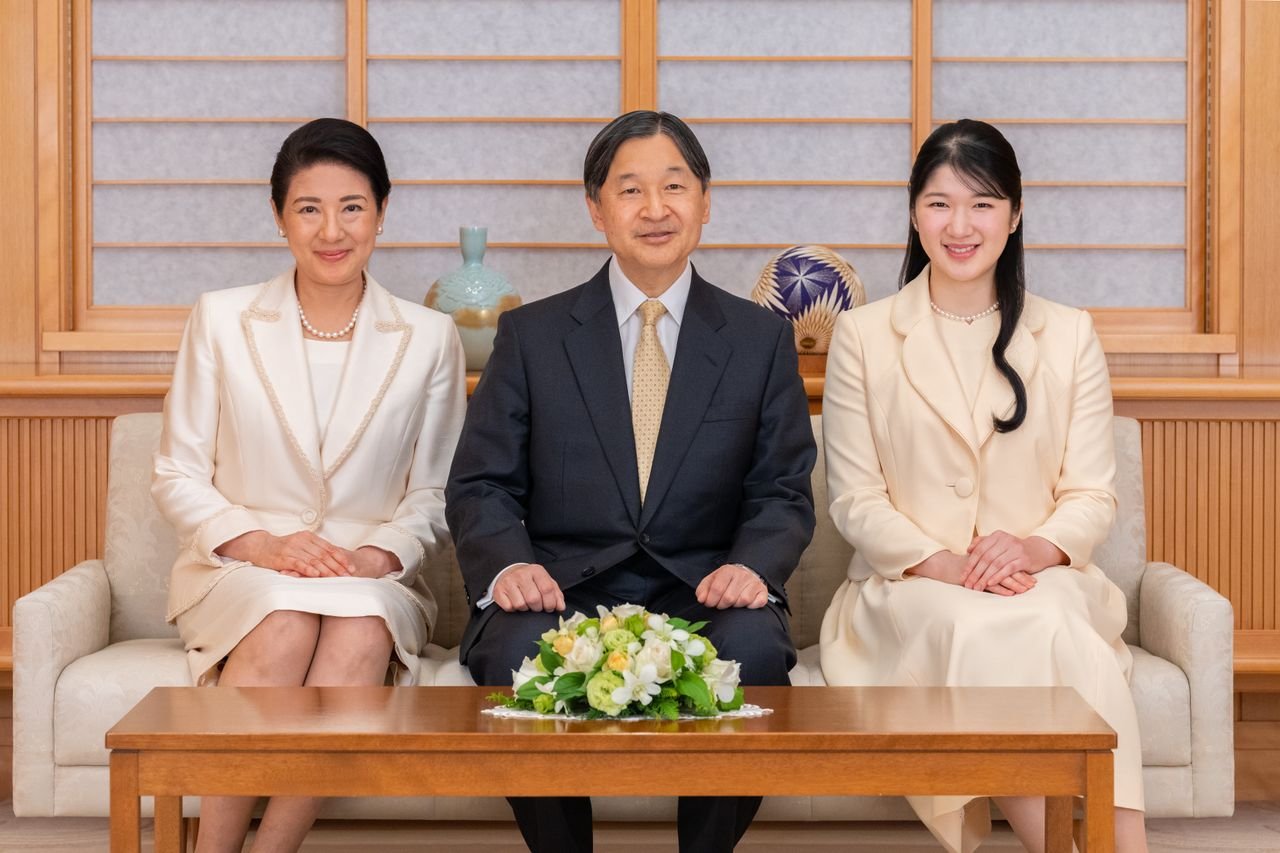
Tokyo Resists UN Call for Female Emperor, Cuts Funding
- Japan has halted funding for the UN’s women’s rights panel, CEDAW, in response to a report criticizing Japan’s male-only imperial succession rule.
- The CEDAW report urged Japan to revise the Imperial House Law of 1947, which only allows a male to succeed to the throne.
- Japan’s Foreign Ministry spokesperson announced that CEDAW will be excluded from Japan’s annual voluntary contributions and requested the U.N. not to use Japanese contributions for its activities.
- Despite concerns about the dwindling imperial family, the government is exploring ways to maintain the succession without relying on women, highlighting the tension between traditional values and evolving gender equality norms.
In a move that has sparked international attention, Japan has announced its decision to halt voluntary funding for a United Nations’ women’s rights panel, the Committee on the Elimination of Discrimination against Women (CEDAW). This decision comes in response to a report published by CEDAW in October, which called for an end to Japan’s male-only imperial succession rule.
The Imperial House Law of 1947, which is at the heart of this controversy, is a reflection of Japan’s conservative pre-war family values. It stipulates that only a male can succeed to the throne, and female royal members who marry commoners are forced to relinquish their royal status. This law has been a subject of debate and criticism, both domestically and internationally, for its perceived discrimination against women.
The CEDAW report urged Japan to revise this law to allow for a female emperor, a suggestion that has been met with resistance from the Japanese government.
Government’s Response to CEDAW Report
Foreign Ministry spokesperson Toshihiro Kitamura announced on Monday that CEDAW will be excluded from a list of recipients of Japan’s annual voluntary contributions. The government has also requested the U.N.’s Office of the High Commissioner for Human Rights, which manages CEDAW, not to use Japanese contributions for its activities.
In addition to freezing funding, Japan has also suspended a visit to the country by committee members, which was planned for the end of March. This decision underscores the depth of the government’s disagreement with the recommendations made in the CEDAW report.
Japan’s Chief Cabinet Secretary Yoshimasa Hayashi had previously expressed his disapproval of the report in October, calling it “regrettable” and “inappropriate.” He also stated that Japan had requested the removal of the reference to the male-only succession rule from the report.
Imperial Succession and Gender Equality
On Wednesday, Kitamura reiterated Japan’s stance that the qualifications for the imperial succession are not part of basic rights. He argued that the male-only succession under the Imperial House Law does not violate the basic rights of women and is not subject to discrimination against women.
The issue of succession has become increasingly pressing in Japan due to the rapidly dwindling imperial family, which currently consists of only 16 members, including four men. The youngest male member of the imperial family, Prince Hisahito, is currently the last heir apparent, raising concerns about the sustainability of the system.
Despite these concerns, the conservative government is exploring ways to maintain the stability of the succession without relying on women. One such strategy being considered is allowing the family to adopt new male members from former noble families that lost their status after World War II.
This controversy highlights the ongoing tension between Japan’s traditional values and the evolving norms of gender equality. As the debate continues, the world watches to see how Japan will navigate this complex issue, balancing respect for its cultural heritage with the demands of a changing society.










Post Comment