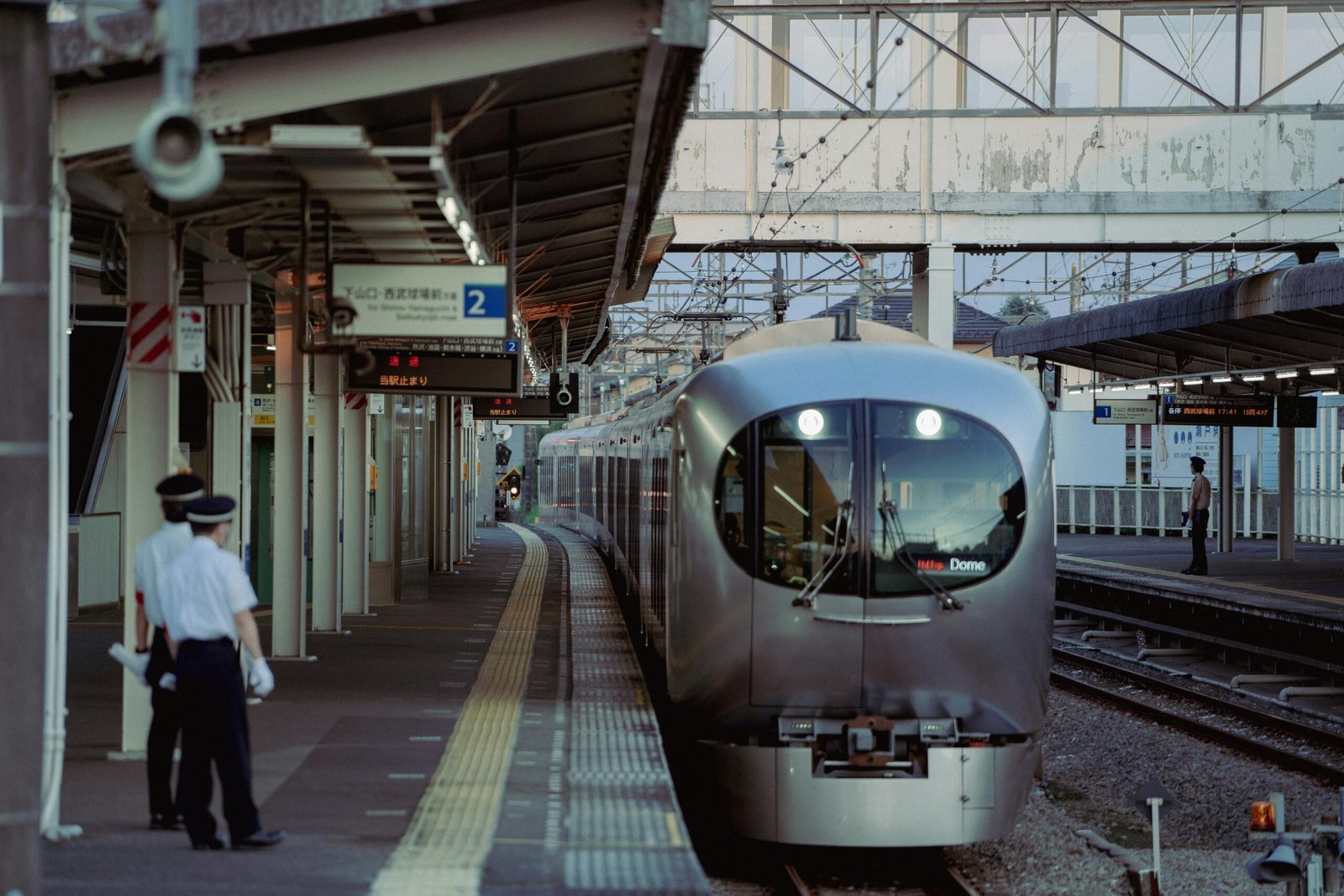
Tokyo Metro IPO: A $2 Billion Ride on Asia’s Oldest Subway
- Tokyo Metro, Asia’s oldest subway, is set to go public, raising over $2 billion to pay off debts from the 2011 earthquake and tsunami.
- The subway system, dating back to 1927, serves six and a half million people daily across nine lines.
- The IPO is expected to be Japan’s largest since 2018, reducing total government ownership to around 50 percent.
- The company’s commitment to safety and low volatility makes it a safe investment prospect, marking a significant event in Japan’s financial and transportation sectors.
Tokyo Metro, Asia’s oldest subway, is set to make a significant stride in Japan’s transportation sector by going public. The initial public offering (IPO) of Tokyo Metro stock, slated to be Japan’s largest in six years, is expected to commence trading on Wednesday. This move is anticipated to raise more than $2 billion, a substantial amount that will be used to pay off government debts incurred from the devastating 2011 earthquake and tsunami.
Every day, six and a half million people ride Tokyo Metro’s nine lines, demonstrating the system’s importance to the city’s daily life. The nine lines, named Ginza, Marunouchi, Hibiya, Tozai, Chiyoda, Yurakucho, Hanzomon, Namboku, and Fukutoshin, stretch for a total of 195 kilometers. The subway system’s history dates back to 1927 when Tokyo became the first Asian city with a subway, thanks to a 2.2-kilometer track from Ueno to Asakusa.
This was a significant milestone, considering that London had built the first public underground railway. The trains, which ran every three minutes on what is now part of Tokyo Metro’s modern-day Ginza Line, were crowded with passengers who previously overran the city’s trams.
Tokyo Metro’s Evolution and IPO
The construction of public transport slowed during and after World War II but picked up pace as Japan rebuilt itself into a major economic power. The company Tokyo Metro was incorporated in 2004, adopting its heart-shaped M logo in place of the network’s previous one: a spiky, space-age S for subway.
The IPO is expected to be Japan’s largest since 2018 when tech and telecoms conglomerate SoftBank Group raised a national record of $23.5 billion by listing its mobile unit. Currently, the national government owns just over half of Tokyo Metro shares, and the Tokyo city government owns the rest. The plan is to reduce total government ownership to around 50 percent.
The funds raised will be used to repay bonds issued to finance the reconstruction of northeastern Japan after the 2011 earthquake, tsunami, and nuclear disaster. This move is seen as a significant step towards financial recovery and infrastructure rebuilding following the catastrophic events of 2011.
Investor Interest and Safety Measures
The Tokyo Metro’s IPO has reportedly attracted strong demand from investors. According to Hideaki Miyajima, a professor in commerce at Waseda University, the low volatility of a firm like Tokyo Metro makes their shares a safe investment prospect for Japanese households. He also noted that the Japanese market is very favorable for institutional investors, given the very low exchange rate of the yen and recent corporate governance reforms.
In earthquake-prone Japan, Tokyo Metro trains are set up to stop just before a powerful jolt hits, using real-time seismic data from monitoring stations. This safety measure is a testament to the company’s commitment to ensuring the safety and well-being of its passengers.
The Tokyo Metro’s IPO is a significant event in Japan’s financial and transportation sectors. It not only marks a new chapter in the company’s history but also signifies the resilience and determination of the Japanese people in overcoming adversities and moving forward towards a brighter future. This development is a testament to Japan’s commitment to progress and innovation, even in the face of challenges. It is a clear indication of the country’s unwavering dedication to improving its infrastructure and providing efficient and reliable transportation for its citizens.









Post Comment