The next great quake: Risks, readiness and resilience
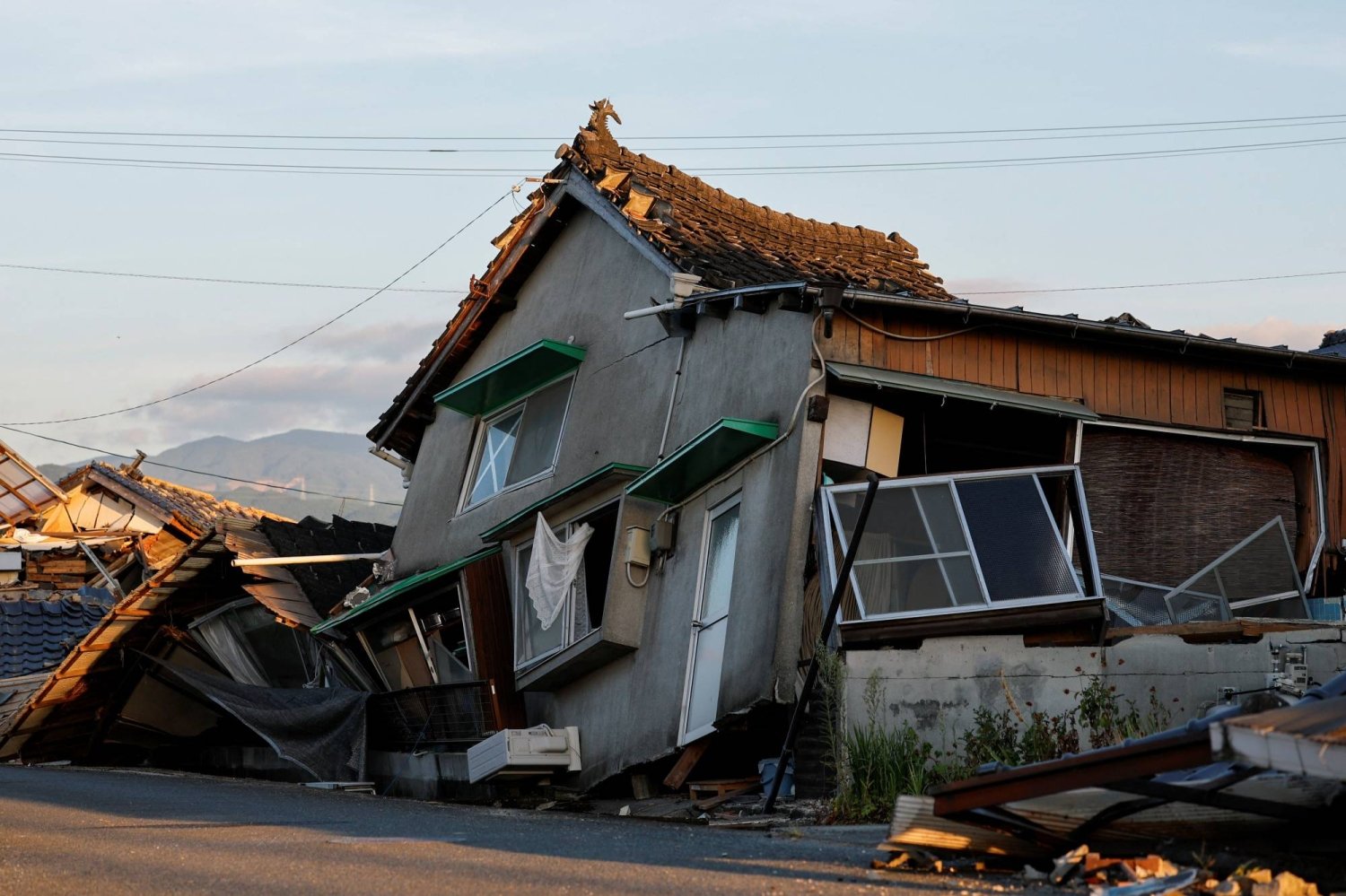
Japan is one of the most seismically active countries in the world. Last month’s earthquake in Kumamoto Prefecture, which killed 38 people, and the 2024 Noto Peninsula quake, which killed nearly 700, have once again demonstrated the risks. While seismic hazards exist throughout the country, Japan’s three largest metropolitan areas — Tokyo, Osaka and Nagoya — face different risks.
The magnitude 5.9 earthquake that jolted Tokyo and much of the Kanto region early Sunday, followed by warnings of possible aftershocks, offered a timely reminder of the seismic risk beneath Japan’s largest metropolitan area. Although the quake caused relatively limited damage, it underscored a more consequential question: How prepared are Japan’s megacities and their millions of residents for the far more destructive earthquake experts have long warned is coming?
Osaka and Nagoya are primarily threatened by a Nankai Trough megathrust earthquake, while Tokyo’s greatest concern is a direct earthquake beneath the capital. The Japanese government’s long-standing proposals to establish a “second capital” outside the Tokyo metropolitan area reflect efforts to reduce the consequences of a catastrophic earthquake striking the capital region.












Post Comment