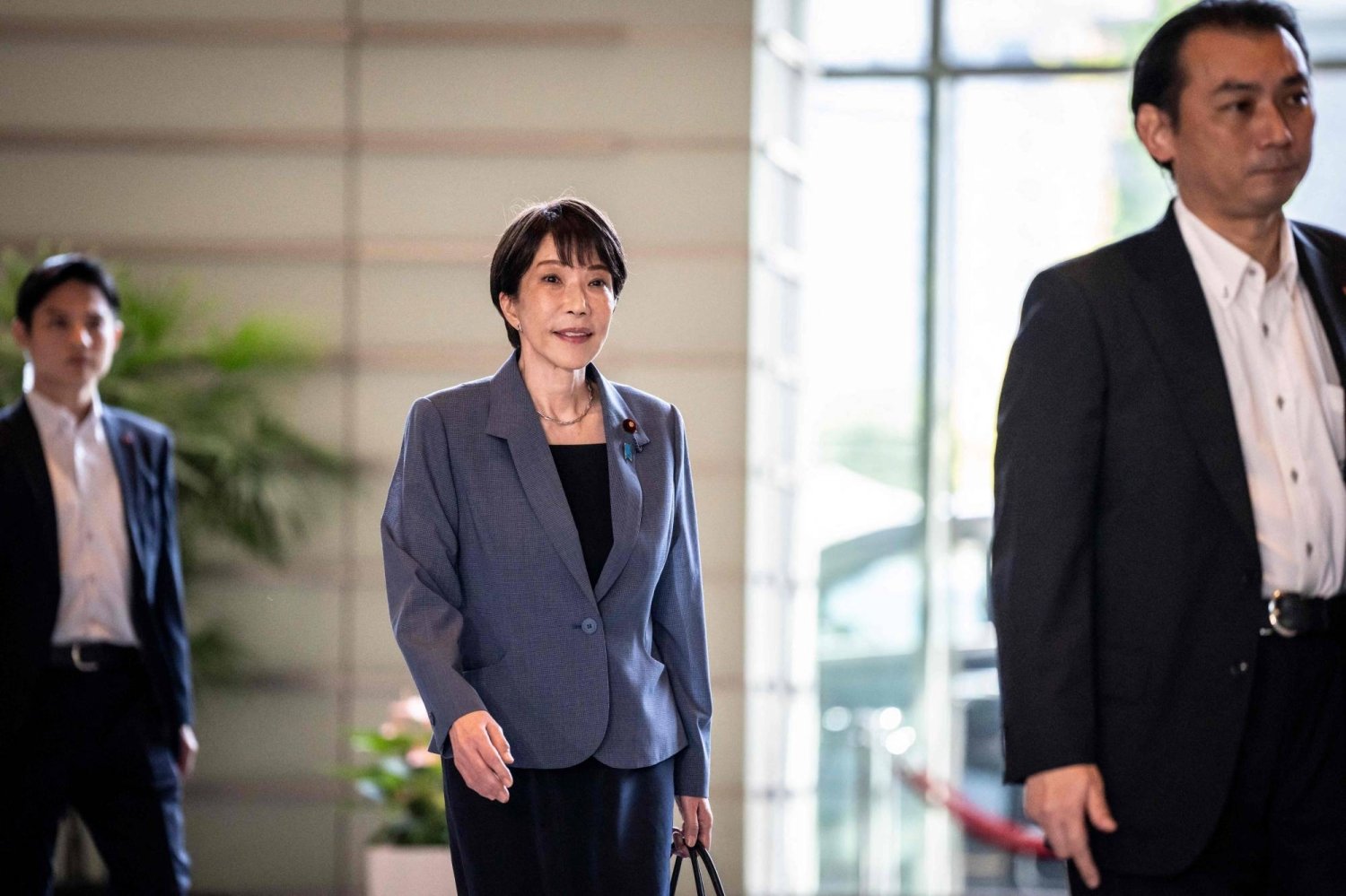
Takaichi rejects ‘weak-kneed’ criticism over ICC sanctions response
Prime Minister Sanae Takaichi has rejected criticism that her government responded too weakly to U.S. sanctions against International Criminal Court President Tomoko Akane, pointing to behind-the-scenes efforts to prevent Washington from targeting the Japanese judge.
“I do not believe the ‘weak-kneed’ criticism is justified,” Takaichi told reporters on Tuesday, saying Tokyo “pressed the United States at various levels until the last moment” not to designate Akane for sanctions.
She added that Japan has consistently supported the ICC as part of its commitment to the rule of law, describing the U.S. action as “incompatible with Japan’s position” and a matter the government “takes very seriously.”
The U.S. imposed sanctions on Akane and a senior ICC trial lawyer last week, in the latest effort to dismantle an organization it sees as not serving American interests. The measure effectively bars Akane and the lawyer from entering the United States, blocks them from any property they own under U.S. jurisdiction and generally prohibits U.S. individuals and companies from doing transactions with them.
“We will closely monitor the situation and take the necessary approaches at the necessary time,” the prime minister said, declining to detail possible next steps out of concern it could place the ICC chief in an even more difficult position.
Criticism of Tokyo’s initial response mounted after Takaichi and the Foreign Ministry described the U.S. move only as “very unfortunate.”
A cross-party group of lawmakers on human rights diplomacy adopted a statement Monday criticizing Japan’s reaction as “far weaker” than those of other countries. It called on the government to lodge a clear protest and demand the immediate withdrawal of the sanctions.
Akane has also urged Tokyo to speak more forcefully. “Attempts from outside to render the ICC unable to function are an infringement on the independence of the judiciary, and I believe Japan should make that clear,” she told the Sankei Shimbun in a recent interview.
Washington’s latest designations are part of a pressure campaign that began during U.S. President Donald Trump’s first term over an ICC investigation involving U.S. personnel in Afghanistan and intensified after the court issued arrest warrants for Israeli Prime Minister Benjamin Netanyahu and former Israeli Defense Minister Yoav Gallant in November 2024.
Neither the United States nor Israel is an ICC member.
The Trump administration has similarly sanctioned at least 11 other senior ICC officials.
Japanese governments have historically avoided directly confronting Washington over the issue. In February 2025, after Trump ordered sanctions on ICC officials, then-Prime Minister Shigeru Ishiba said Japan would “continue monitoring developments with serious concern,” while Tokyo did not join a 79-country statement opposing the sanctions.
Former Prime Minister Shinzo Abe similarly made no public demand for the withdrawal of sanctions imposed on two senior ICC officials in September 2020, which were subsequently lifted under the administration of former U.S. President Joe Biden.
The ICC chief is scheduled to speak remotely from The Hague at a Japan National Press Club news conference on Wednesday.




Post Comment