South Korea-US Trade Deal Eases Export Uncertainties
- South Korea and the US have struck a trade deal, easing export uncertainties for Korea.
- Minister Kim Jung-kwan announced a tariff reduction from 25% to 15% for South Korea.
- The deal strengthens ties in sectors like automotive, semiconductor, and shipbuilding.
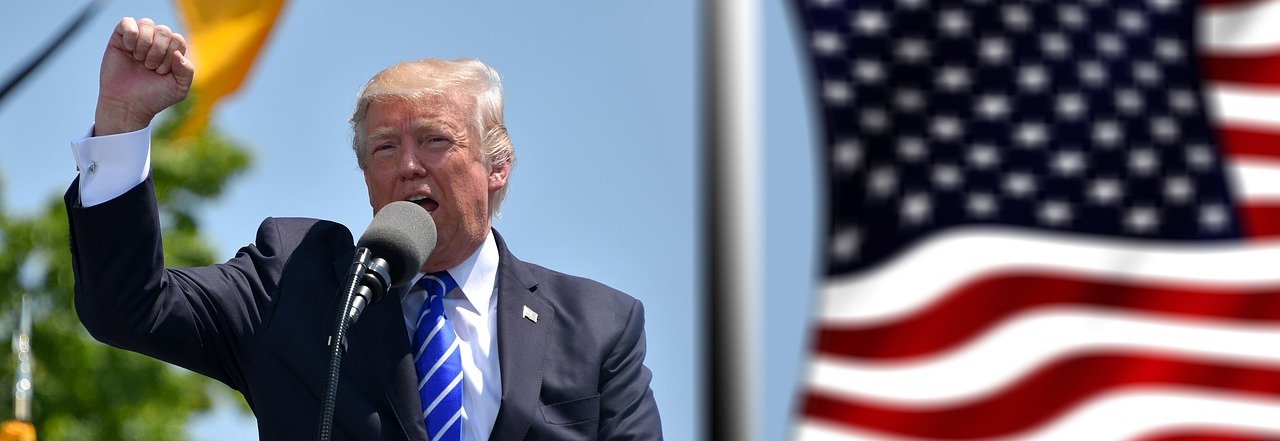
- President Trump plans a summit with South Korean President Lee Jae Myung to discuss further cooperation.
South Korea has successfully negotiated a trade agreement with the United States, significantly reducing export uncertainties for the Asian nation. This agreement, announced by Seoul’s Industry Minister Kim Jung-kwan, marks a pivotal moment in South Korea’s trade relations, aiming to bolster the competitiveness of Korean companies on the global stage. The deal, finalized last week, has effectively lowered reciprocal tariffs for South Korea to 15 percent from the initially proposed 25 percent. This reduction comes in exchange for South Korea’s commitment to invest a substantial 350 billion in the United States and to purchase 100 billion worth of American liquefied natural gas (LNG) and other energy products.
Minister Kim Jung-kwan, during a meeting focused on export strategies in light of the new US tariff measures, expressed optimism about the deal’s impact. “With the trade deal with the US, short-term export uncertainties for Korean businesses have been resolved, and we have secured conditions that are not unfavorable compared to those of our rival countries,” he stated. The meeting was attended by key officials from the Ministry of Trade, Industry and Energy, as well as representatives from major business lobby groups, including the Korea Chamber of Commerce and Industry and the Korea International Trade Association. Associations representing various industries, such as automotive, semiconductor, and shipbuilding, were also present.
The South Korean government is committed to strengthening cooperation with the United States in strategic sectors, including shipbuilding, automotive, semiconductor, and biopharmaceutical industries. Minister Kim emphasized the importance of finding new opportunities for Korean companies in the American market. This trade agreement is expected to open doors for Korean businesses, allowing them to expand their presence and competitiveness in the US.
Strategic Implications and Global Trade Dynamics
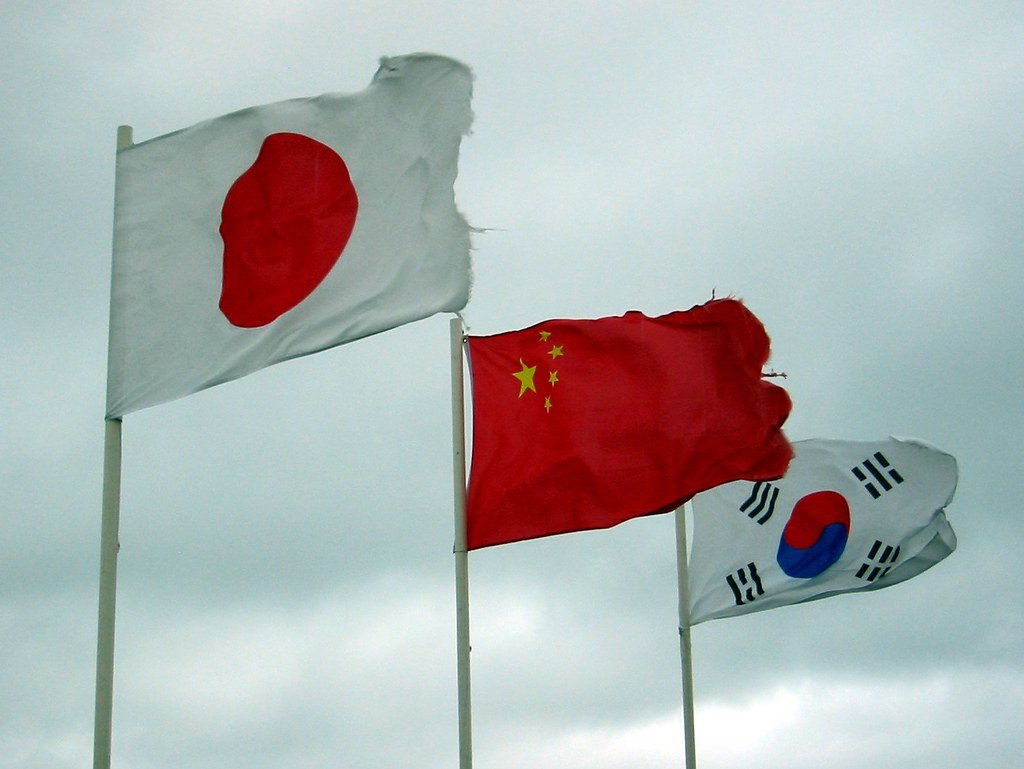
The agreement comes at a time when the global trade landscape is undergoing significant changes, largely influenced by the protectionist policies of the US administration under President Donald Trump. The reduction in tariffs for South Korean cars, from 25 percent to 15 percent, aligns with similar tariff rates faced by Japan and the European Union. Despite these favorable terms, Minister Kim has vowed to continue efforts to enhance the fundamental competitiveness of Korean industries and to devise additional support measures for export companies.
The trade deal is part of a broader strategy by the US to recalibrate its trade relationships with key partners. US Trade Representative Jamieson Greer recently stated that the latest round of tariffs is “pretty much set” and unlikely to change. These tariffs are part of a larger framework of deals, some announced and others contingent on trade deficits or surpluses with respective countries. The US has also imposed a 35 percent tariff on Canada, while maintaining a baseline minimum rate of 10 percent across all partners.
The impact of these tariffs is being felt across various sectors. For instance, Warren Buffett’s Berkshire Hathaway reported a decline in revenue for its consumer goods businesses, attributed to the US tariffs. This highlights the broader economic implications of the trade policies, which have been a point of contention globally.
Bilateral Relations and Future Prospects
In a related development, President Trump has expressed optimism about the US-South Korea relationship following the trade deal. He announced an upcoming summit with South Korean President Lee Jae Myung at the White House, further underscoring the importance of the bilateral relationship. The trade deal has been lauded for providing market access to American goods, including agricultural products like rice.
However, not all aspects of the trade negotiations have been smooth. South Korea’s Finance Minister Koo Yun-cheol, who played a key role in clinching the deal, clarified that further opening of the rice market to the US was not discussed. This highlights the complexities involved in trade negotiations, where strategic interests must be balanced with domestic concerns.
The trade agreement with South Korea is part of a larger pattern of the US administration’s approach to international trade. President Trump has been actively pursuing new trade deals and tariff adjustments with various countries, including Mexico and Japan. These efforts are aimed at reshaping the global economic order, with the US leveraging its economic power to secure favorable terms.
Historically, trade negotiations have often been used as a tool for economic diplomacy. The current US administration’s approach is reminiscent of past instances where trade policies were used to exert influence and achieve strategic objectives. For example, during the 1980s, the US engaged in trade negotiations with Japan to address trade imbalances and open Japanese markets to American products. These negotiations were marked by intense discussions and resulted in significant changes in trade policies.
In the current context, the US-South Korea trade deal is seen as a strategic move to strengthen economic ties and enhance cooperation in key sectors. The agreement is expected to have far-reaching implications for both countries, providing opportunities for growth and collaboration. As the global trade landscape continues to evolve, such agreements will play a crucial role in shaping the future of international economic relations.
The South Korean government is keenly aware of the challenges posed by the US administration’s protectionist policies. In response, it is actively working to devise strategies that will enhance the competitiveness of Korean industries. This includes exploring new markets, investing in innovation, and strengthening partnerships with key allies.
The trade deal with the US is a testament to South Korea’s commitment to navigating the complexities of the global trade environment. By securing favorable terms and investing in strategic sectors, South Korea is positioning itself as a key player in the international economic arena. As the details of the investment package are finalized, the focus will be on leveraging these opportunities to drive growth and ensure long-term success.









Post Comment