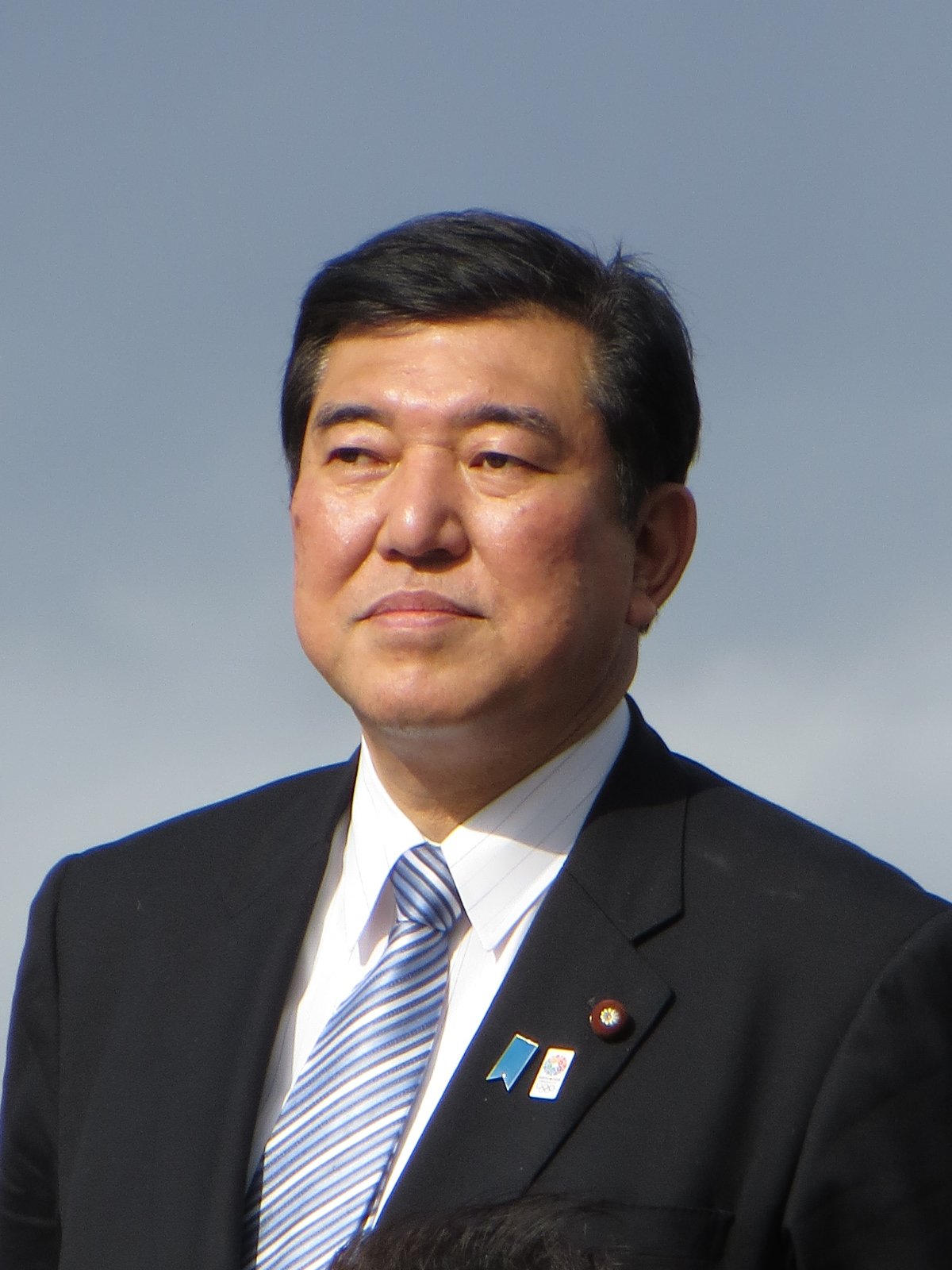
Shigeru Ishiba Takes Helm as Japan’s New Prime Minister
- Shigeru Ishiba, leader of Japan’s ruling Liberal Democratic Party (LDP), has been elected as the new Prime Minister.
- Ishiba, a seasoned politician, faces the challenge of restoring voter trust in the scandal-hit ruling party.
- He plans to form his own cabinet and maintain the economic policy implemented by his predecessor, Fumio Kishida.
- Ishiba’s policies, particularly on defense and economic fronts, will shape Japan’s future trajectory.
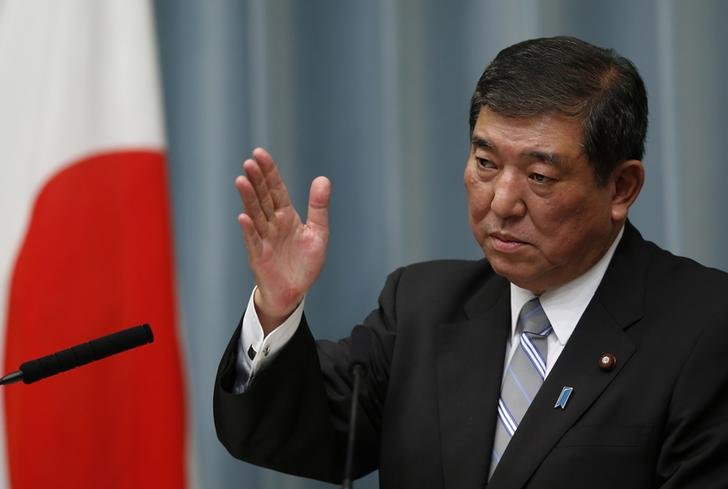
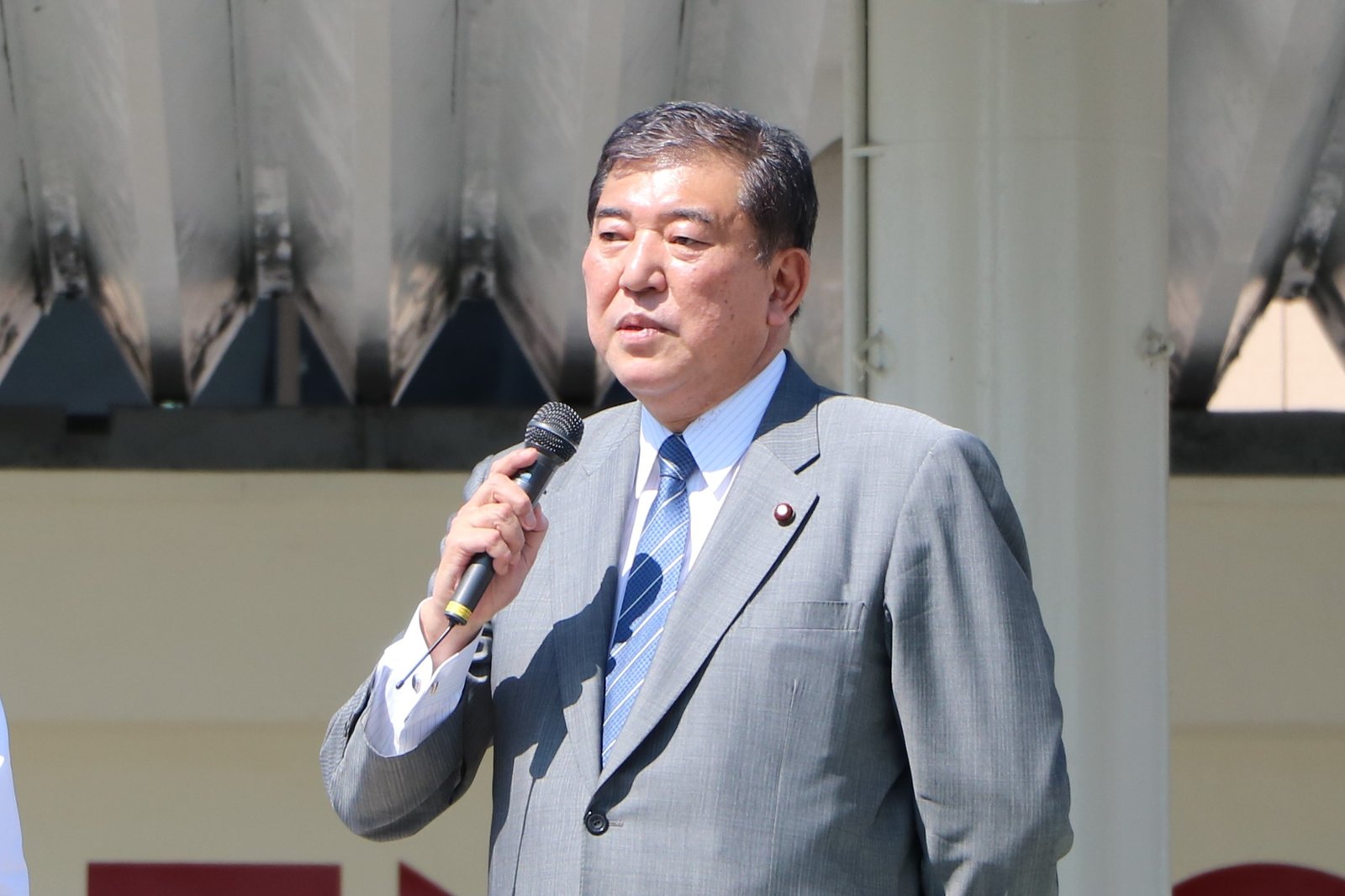
In a significant political shift, Shigeru Ishiba, the leader of Japan’s ruling Liberal Democratic Party (LDP), was elected as the country’s new Prime Minister on Tuesday, succeeding Fumio Kishida. This change in leadership comes at a time when Japan is grappling with low public confidence in politics, a shaky economy, and mounting security threats. Ishiba, a seasoned politician, was elected as the president of the LDP last week and subsequently endorsed by both the lower and upper houses of parliament. In the powerful lower house, he secured 291 of the 461 votes cast, while in the upper house, he won 143 of the 242 votes.
Ishiba’s Political Journey and Challenges Ahead
The 67-year-old Ishiba, often seen as a maverick, is likely to face a challenging start to his premiership. He is tasked with restoring voter trust in the scandal-hit ruling party and mending intraparty divisions that have deepened since the LDP leadership election. His decision to call a snap election has met resistance from opposition parties, which described his making of the announcement even before his election as premier as disrespectful and unconstitutional. Ishiba’s political journey has been marked by perseverance and resilience. Elected to the House of Representatives for the first time in 1986, he has held several key positions over the years, including Minister of Agriculture, Forestry, and Fisheries, Minister of Defence, and Secretary-General of the LDP.
Ishiba’s Policy Priorities and Cabinet Formation
Following the mass resignation of Kishida’s cabinet, Ishiba is set to form his own cabinet. He plans to give the key posts of foreign and defense minister to two of his supporters who share similar views on Japan’s global role and responsibilities. Some of those who ran against Ishiba in the LDP’s race are also expected to receive cabinet positions. On the policy front, Ishiba has indicated he will not deviate from the economic policy implemented by Kishida, who focused on boosting wages. The incoming prime minister has emphasized it is vital for Japan to promote robust wage growth as private consumption lacks vigor, saying the Bank of Japan should maintain accommodative monetary conditions.
Japan’s Future Trajectory Under Ishiba’s Leadership
On the defense front, Ishiba wants to push for the creation of an Asian-style NATO collective security arrangement amid rising tensions between China and Taiwan. He has also voiced eagerness to review a Japan-U.S. agreement to make the bilateral alliance more equal. In the new cabinet, former defense chief Takeshi Iwaya will become foreign minister, while Gen Nakatani will once again take the post of defense minister. Both lawmakers played critical roles in electing Ishiba as LDP chief. Yoshimasa Hayashi, the top government spokesman under Kishida and one of the nine contenders in the LDP race, will retain the post of chief Cabinet secretary. Another candidate, former health minister Katsunobu Kato, is set to become finance minister. The former finance ministry bureaucrat pledged to double people’s incomes during the LDP election, stressing that securing economic growth should precede fiscal rehabilitation.
In conclusion, the election of Shigeru Ishiba as Japan’s new Prime Minister marks a new chapter in the country’s political landscape. His leadership will be tested in the upcoming general election, and his policies, particularly on defense and economic fronts, will shape Japan’s future trajectory. As he takes the helm, the challenges are many, but so are the opportunities for change and reform. The world will be watching closely as Ishiba navigates these challenges and leads Japan into a new era.







Post Comment