Record Number of Candidates in Japan’s LDP Leadership Race
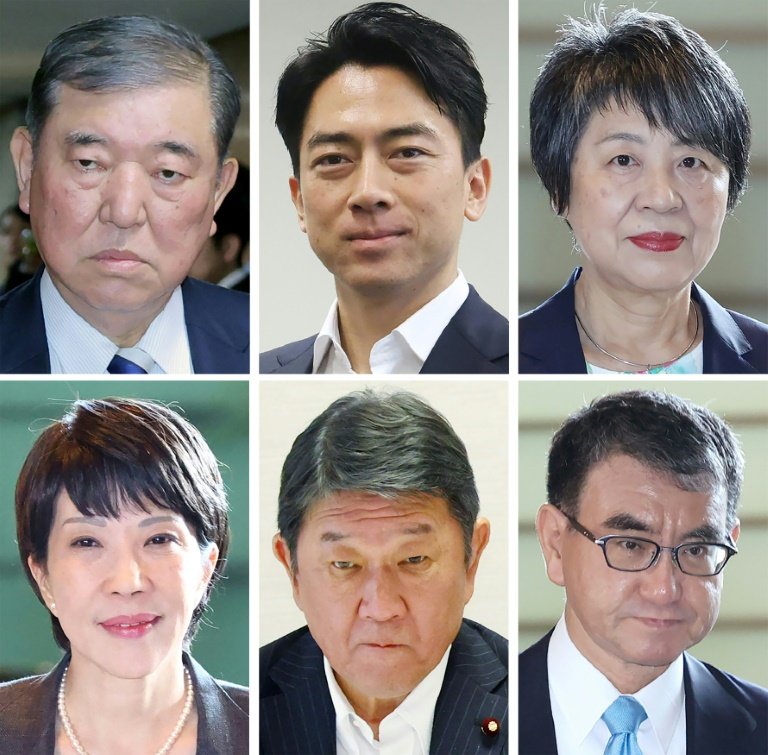
- Japan’s LDP is preparing for a record-breaking leadership election due to current Prime Minister Fumio Kishida’s decision not to seek re-election.
- The election is significant as the LDP holds a majority in both chambers of the Diet, making the winner likely to be the next Prime Minister.
- The votes are counted using a two-round system, with prominent candidates including Taro Kono, Shigeru Ishiba, and Sanae Takaichi.
- The election process has been extended from 12 to 15 days, potentially giving lesser-known candidates a chance to gain momentum.
Japan’s ruling Liberal Democratic Party (LDP) is bracing for an unprecedented leadership election. The race, slated for September 27, 2024, is expected to see a record number of candidates, a situation triggered by the current Prime Minister Fumio Kishida’s decision not to seek re-election as the LDP leader. Kishida’s decision was a response to a party slush funds scandal that has negatively impacted his cabinet’s approval ratings.
The LDP’s leadership election holds national significance as the party maintains a majority in both chambers of the Diet, Japan’s bicameral legislature. As a result, the winner of the LDP presidential race is almost certain to be elected as the country’s next prime minister. The upcoming election is expected to be a departure from past races, primarily due to the dissolution of many of the party’s traditional factions, a fallout of the recent political funding scandal.
This development has led to a reduced sway of these groups over candidate selection and lawmaker votes, making the race more unpredictable. The election process requires prospective candidates to secure the backing of at least 20 of their peers within the party before the official campaigning period begins on September 12.
The Two-Round Voting System and Its Implications
The votes are counted using a two-round system. In the first round, both Diet members and rank-and-file party members vote. If no candidate secures a majority, a runoff takes place. In the runoff, only Diet members’ votes are counted, with each Diet member’s vote carrying the same weight. The candidate who secures the majority in this round becomes the party leader.
Among the prominent candidates who have announced their candidacy or are expected to run are Taro Kono, the Digital Minister, known for his reform-minded stance; Shigeru Ishiba, a former Defense Minister, who is popular among LDP voters but has less support from fellow Diet members; and Sanae Takaichi, Minister of State for Economic Security, who has a background in security policy. Other potential candidates include Yoshimasa Hayashi, Toshimitsu Motegi, Shinjiro Koizumi, Ken Saito, and Seiko Noda, among others.
Changes in the Election Process and Their Potential Impact
This year, the election process has seen an extension of the campaign period from 12 to 15 days. This change allows candidates more time to rally support and could lead to a more intense campaign period, potentially giving lesser-known candidates a chance to gain momentum. The proportional representation system used to combine Diet member votes with rank-and-file member votes ensures that the wider membership has a significant say in the outcome, which could favor candidates with broader grassroots support within the party.
The upcoming LDP leadership election is reminiscent of the 2008 and 2012 races, which were the largest under the current selection system, with five contenders each. However, the current race is expected to surpass these previous contests in terms of the number of candidates. The dissolution of party factions and the resulting shift in the dynamics of candidate selection and voting also make this election unique.
The LDP leadership election comes at a time when Japan is grappling with various domestic and international challenges. The new leader will have to navigate these complexities while also restoring public trust in the party following the recent scandal. The outcome of this election will undoubtedly have far-reaching implications for Japan’s political landscape and its role on the global stage. The race is on, and the world watches with bated breath as Japan prepares for this pivotal moment in its political history.










Post Comment