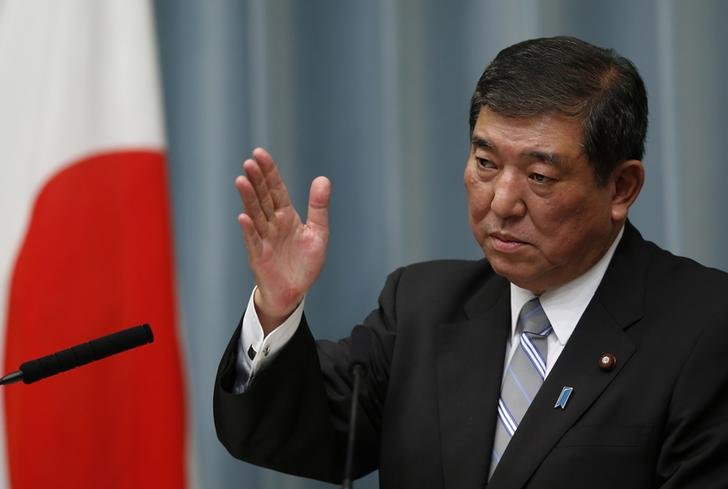
Race for Japan leadership intensifies after PM Ishiba steps down; yen sinks
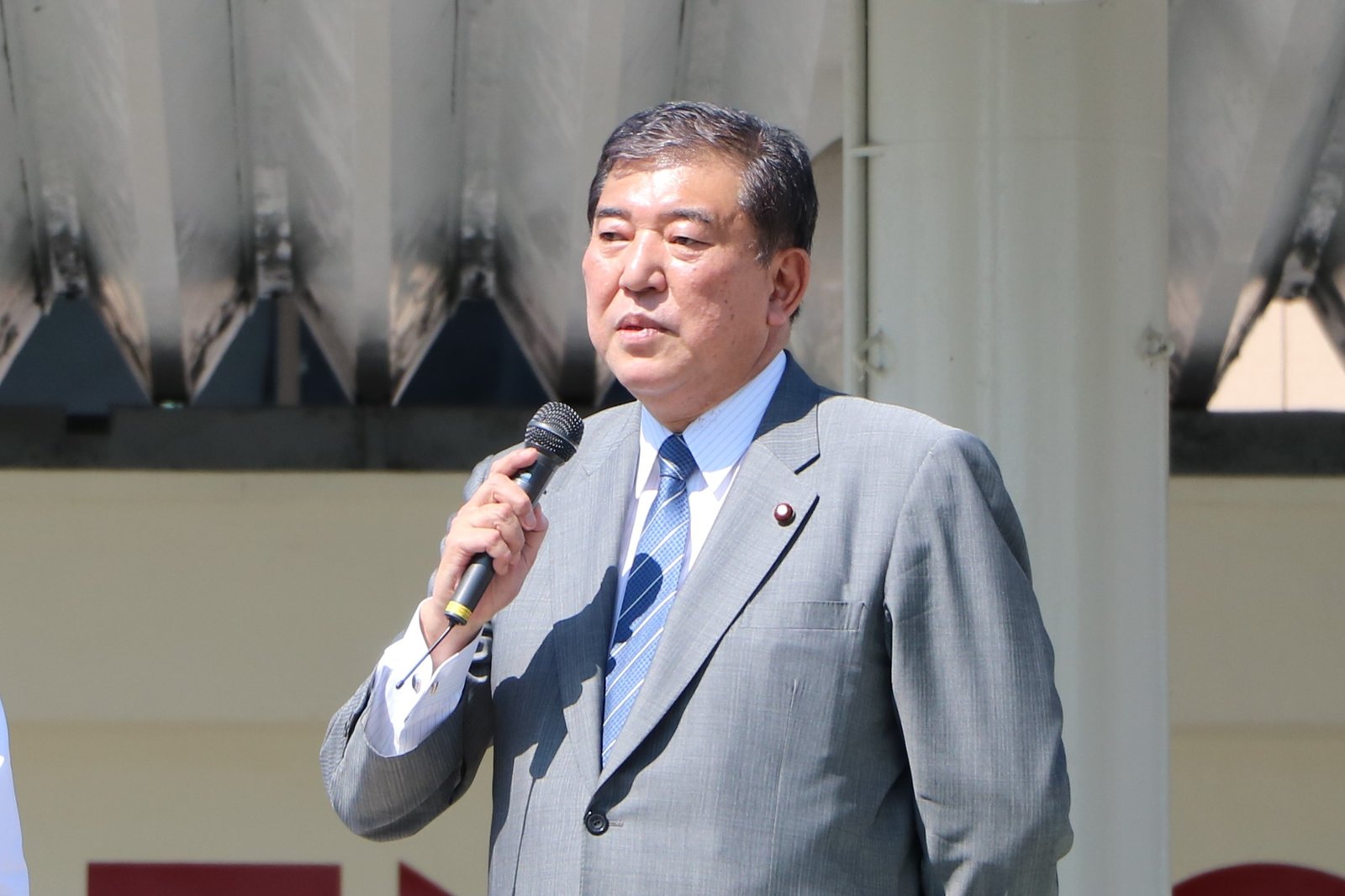
Former Japanese Foreign Minister Toshimitsu Motegi has become the first ruling party lawmaker to officially enter the race to succeed outgoing Prime Minister Shigeru Ishiba. The unforeseen announcement comes in the wake of Ishiba’s resignation amid voter dissatisfaction over rising living costs, leading to unsettling financial market fluctuations.
Following his decision to step down, Ishiba directed the Liberal Democratic Party (LDP) – which has been the predominant political force in Japan since World War II – to organize an emergency leadership election. The election is slated to take place on October 4, as reported by broadcaster TBS citing an undisclosed senior party official.
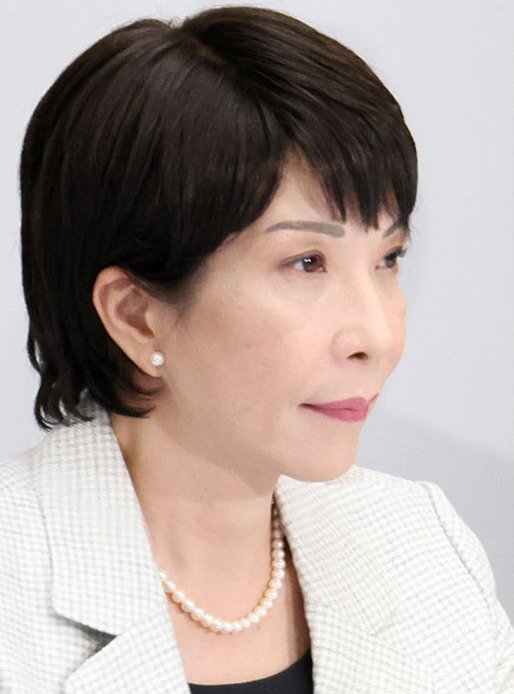
The potential successors to Ishiba, such as fiscal dove Sanae Takaichi, have sparked speculation regarding future economic policies. Stocks soared and the yen weakened following Ishiba’s resignation, as investors anticipate potential spending increases in Japan, the world’s most indebted advanced economy.
In his bid for leadership, 69-year-old Motegi emphasized the urgent need to address pressing domestic and international challenges to propel the country forward. Chief Cabinet Secretary Yoshimasa Hayashi is also expected to participate in the upcoming election, according to a source close to the government.
While frontrunners like Takaichi and Shinjiro Koizumi, son of former Prime Minister Junichiro Koizumi, are yet to formally declare their candidacy, they are positioned as strong contenders based on their past performances. Takaichi, if elected, would become Japan’s first female leader, while Koizumi could represent a generational shift as the youngest leader in modern Japanese history.
The implications of the potential leadership of Takaichi, particularly her stance on economic policies and diplomatic relations with China, are closely monitored by investors and neighboring countries. Her nationalistic views, opposition to interest rate hikes by the Bank of Japan, and advocacy for increased spending have raised concerns and expectations among stakeholders.
As Japan navigates through this political transition, the uncertainty surrounding monetary policy decisions and diplomatic engagements remains a focal point for markets and international observers. The upcoming LDP leadership election is poised to shape the future trajectory of Japan’s economic and foreign policy direction under new leadership.









Post Comment