Noda’s Bid for CDPJ Leadership Amid Japan’s Political Turmoil
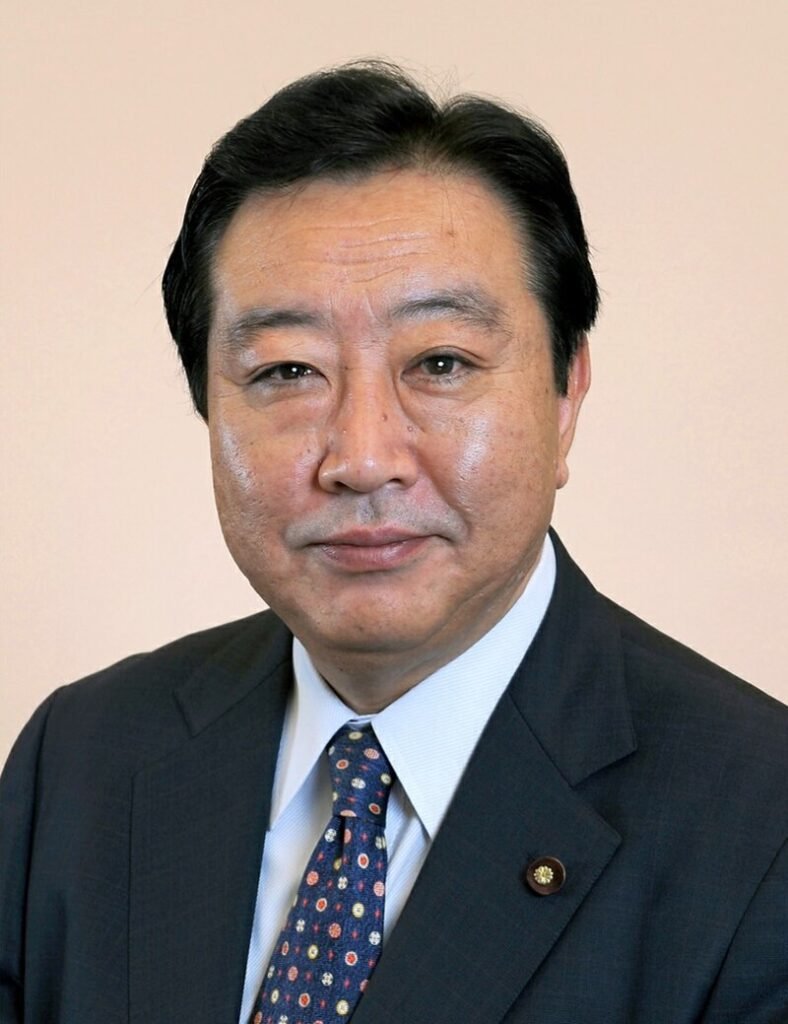
- Former Prime Minister Yoshihiko Noda is running for leadership of the Constitutional Democratic Party of Japan (CDPJ).
- Noda’s decision comes amid a scandal and low approval ratings for the ruling Liberal Democratic Party (LDP).
- Noda served as prime minister under the now-defunct Democratic Party of Japan (DPJ), a predecessor of the CDPJ.
- The political landscape in Japan is set for a significant shake-up with the upcoming leadership races in both the CDPJ and LDP.
Former Prime Minister Yoshihiko Noda has announced his intention to run in the leadership race of the main opposition Constitutional Democratic Party of Japan (CDPJ). The 67-year-old Noda, who served as prime minister for about a year until December 2012, is aiming to chart a course for the CDPJ to return to power. His announcement comes at a time when the ruling Liberal Democratic Party (LDP) is grappling with a slush funds scandal and plunging approval ratings for Prime Minister Fumio Kishida’s cabinet.
Noda’s decision to run in the leadership race is driven by his desire to win over voters disappointed with the LDP. He did not rule out the possibility of joining forces with other opposition parties to cut into the ruling party’s support base in the next lower house election. I decided to take on the challenge after I thought and thought about whether to run in the race, Noda said at a press conference. I will set a path for us to regain control of the government. I will fulfill this responsibility, he added, expressing confidence that he can secure the backing of 20 party members required to run.
Noda’s political career has been marked by his tenure as prime minister under the now-defunct Democratic Party of Japan (DPJ), a predecessor of the CDPJ. His term ended in December 2012 when the LDP, led by the late Prime Minister Shinzo Abe, won a decisive victory in the general election. Noda was one of three premiers to serve during the DPJ’s three years in power from 2009, along with Yukio Hatoyama and Naoto Kan.
The LDP’s Presidential Election and Its Impact
The CDPJ is set to choose its leader amid growing speculation that the winner of the LDP’s Sept 27 presidential race, who is set to succeed Kishida as premier, will dissolve the House of Representatives for a snap election in the not-so-distant future. The ruling party’s presidential election is expected to see a broad field of candidates, but Noda said he did not believe any of them could be able to carry out political reforms.
Earlier this month, Kishida announced that he would not seek reelection as LDP leader, taking responsibility for a party slush funds scandal revealed late last year that has contributed to plunging approval ratings for his cabinet. The CDPJ’s incumbent leader is Kenta Izumi, 50, who took the post in 2021. He has yet to say whether he will seek reelection. Former CDPJ leader Yukio Edano, 60, has also voiced his intention to run.
In recent days, former acting leader Kenji Eda, 68, and Harumi Yoshida, 52, a first-term lower house member who won his seat by defeating LDP veteran lawmaker Nobuteru Ishihara in the 2021 general election, have also emerged as potential candidates in the CDPJ presidential race.
The Political Landscape in Japan
In October 2022, Noda delivered a memorial speech at parliament for Abe, who was assassinated during an election campaign event in July that year. It drew considerable public attention, partly as he revealed previously unknown interactions between himself and Abe.
The political landscape in Japan has been marked by a series of scandals and resignations in recent years. The LDP, in particular, has been embroiled in a slush funds scandal that has led to the resignation of Prime Minister Kishida. The scandal has also cast a shadow over the upcoming LDP presidential race, with several potential candidates, including former Environment Minister Shinjiro Koizumi and Chief Cabinet Secretary Yoshimasa Hayashi, delaying their bid announcements due to the political turmoil.
The political upheaval in the LDP has also had repercussions for the opposition parties. The CDPJ, for instance, is facing its own leadership race, with several potential candidates, including former acting leader Kenji Eda and first-term lower house member Harumi Yoshida, emerging as contenders. The party’s incumbent leader, Kenta Izumi, has yet to announce whether he will seek reelection.
In conclusion, the upcoming leadership race in the CDPJ, coupled with the political turmoil in the LDP, marks a critical juncture in Japanese politics. As former Prime Minister Yoshihiko Noda throws his hat into the ring, the political landscape is set for a significant shake-up. The outcome of these leadership races will have far-reaching implications for the country’s future, shaping the direction of Japanese politics and policy in the coming years.







Post Comment