
Nikkei Index Suffers as US Tariffs Spook Investors
- Tokyo stocks plummeted due to fears over US tariffs, causing a significant drop in the Nikkei stock index.
- Major automakers like Toyota and Nissan saw declines, while SoftBank Group experienced a slight increase.
- The European Commission vowed to retaliate if targeted by US tariffs, emphasizing the importance of open markets.
- The situation mirrors the 2002 US steel tariffs, highlighting the global impact of such policy decisions.
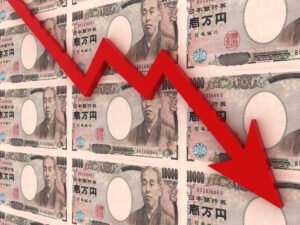
The global financial markets were shaken as Tokyo stocks took a sharp dive on Monday. The primary driver of this decline was the growing apprehension over the impact of US tariffs on the global economy. This led to a widespread sell-off, particularly in the automobile sector. The Nikkei stock index, a benchmark that tracks the performance of 225 prominent companies listed on the Tokyo Stock Exchange, closed down by a significant 1,052.40 points. This represents a 2.66 per cent drop, bringing the index to a close at 39,572.49.
This downturn was largely a reaction to the decision by US President Donald Trump to impose tariffs on Mexico, Canada, and China. In response to this decision, short-term overseas investors, in an attempt to hedge risks, sold stock index futures. This action further exerted downward pressure on the Nikkei. Major automakers, including Toyota, Nissan, Honda, and Mazda, experienced declines due to concerns over the potential impact of tariffs on their earnings.
Automakers and Tech Stocks: A Tale of Two Sectors
Despite the overall market decline, some individual stocks demonstrated resilience. Notably, SoftBank Group and its telecom unit, SoftBank, saw a slight increase after announcing a partnership with OpenAI to launch a new AI service for enterprises. The broader Tokyo Stock Price Index (TOPIX), which includes all firms in the first section of the Tokyo Stock Exchange, also experienced a decline. It closed 68.27 points, or 2.45 percent, lower at 2,720.39.
Among the listed stocks on the Tokyo Stock Exchange’s Prime Market, 1,470 declined, while 154 rose, and 15 remained unchanged. This development comes in the wake of President Trump’s order on Saturday to impose a 25-per cent tariff on imports from Mexico and Canada, and a 10-per cent tariff on Chinese goods. He also hinted that the European Union (EU) could be next, citing the bloc’s persistent trade surplus with the US.
EU Responds to US Tariff Threats
The European Commission responded on Sunday, criticizing the move and vowing to retaliate if targeted. An EU spokesman expressed regret over the US decision to impose tariffs on Canada, Mexico, and China. He emphasized the importance of open markets and respect for international trade rules, stating that they are essential for strong and sustainable economic growth. Tariffs create unnecessary economic disruption and drive inflation. They are hurtful to all sides, he added.
In reference to potential US tariffs on EU products, the spokesman said, the EU would respond firmly to any trading partner that unfairly or arbitrarily imposes tariffs on EU goods. Our trade and investment relationship with the United States is the biggest in the world. There is a lot at stake, he was quoted as saying.
This situation bears a striking resemblance to the 2002 steel tariffs imposed by the US under President George W. Bush. The tariffs, ranging from 8% to 30%, were imposed to protect the domestic steel industry. However, they led to widespread criticism and retaliatory measures from the EU and other trading partners, eventually leading to their withdrawal.
The recent plunge in Tokyo stocks underscores the far-reaching implications of tariff impositions on the global economy. It serves as a stark reminder of the interconnectedness of global markets and the potential for policy decisions in one country to have significant repercussions worldwide. As the situation continues to unfold, all eyes will be on the global financial markets and the responses of the affected countries.







Post Comment