Modi’s Japan Visit: Strengthening Strategic Ties Amid Tariff Tensions
- Modi’s August visit to Japan strengthened India-Japan ties amid tariff tensions.
- A 10-year roadmap was adopted, with Japan pledging JPY 10 trillion investment in India.
- Japan’s trade negotiator canceled a U.S. visit due to unresolved bilateral issues.
- Speculation arose about a new RICJ alliance reshaping global economic dynamics.
- Modi’s visit and U.S.-Japan trade shifts may realign Asia’s geopolitical landscape.
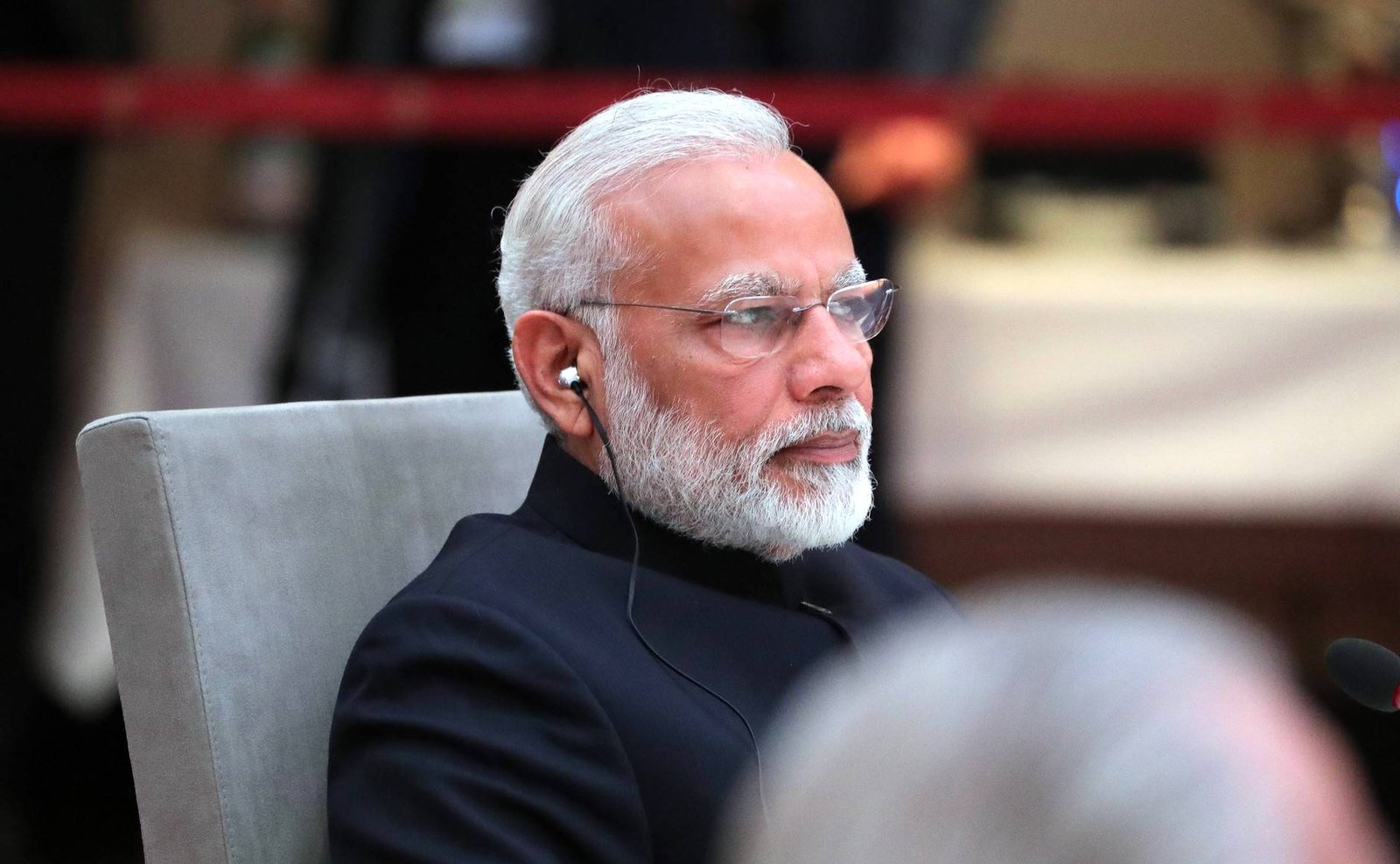
Prime Minister Narendra Modi’s recent visit to Japan marked a significant step in bolstering the India-Japan relationship. This visit, which took place in late August, was strategically timed as Modi was en route to the Shanghai Cooperation Organisation (SCO) summit in Tianjin, China. During his two-day stay in Japan, Modi engaged in comprehensive discussions with then-Prime Minister Shigeru Ishiba. The two leaders expressed mutual appreciation for the robust partnership that had developed over the past decade and explored avenues to further enhance this relationship.
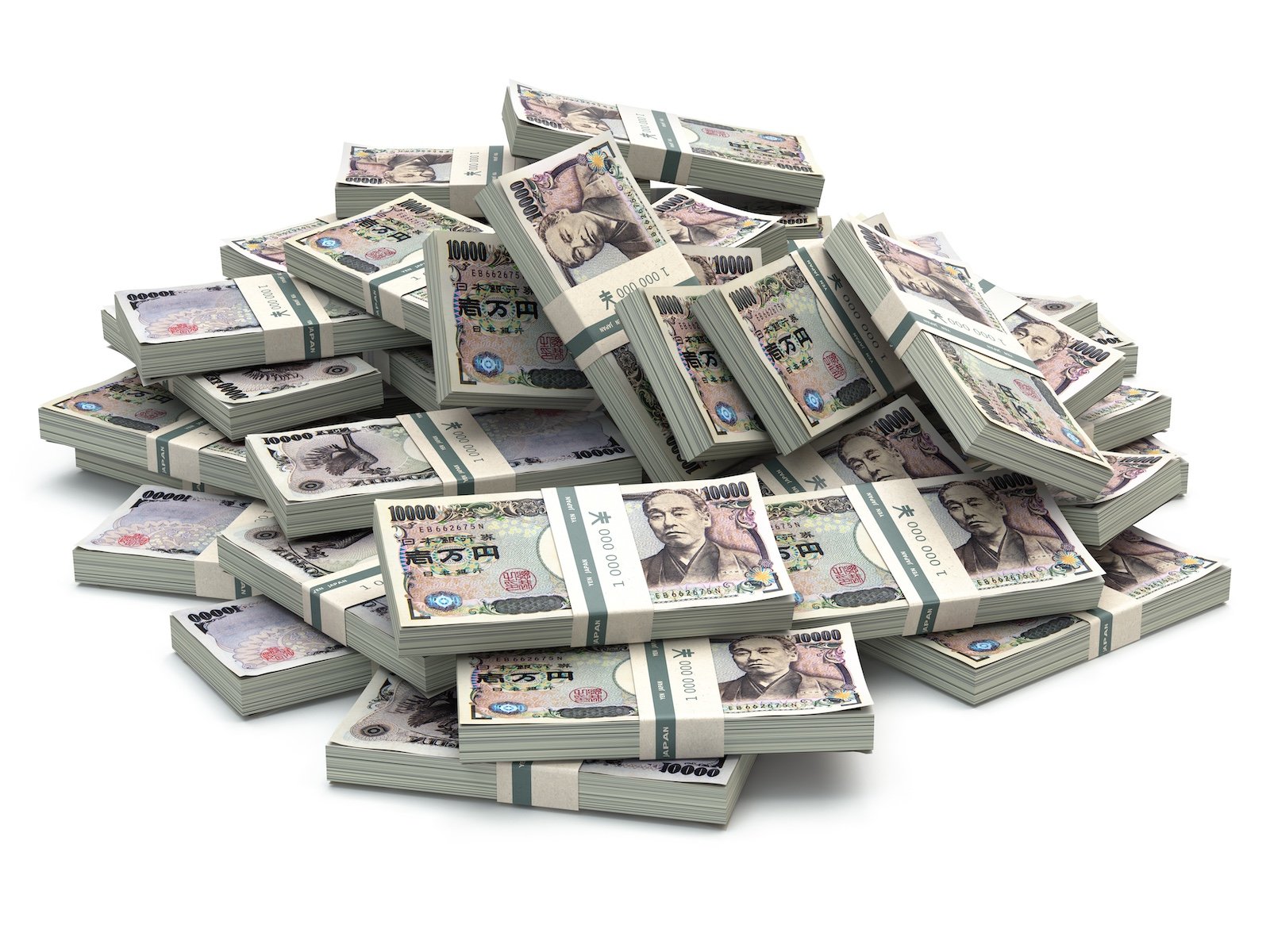
A key outcome of these discussions was the adoption of a 10-year roadmap aimed at deepening the India-Japan Special Strategic and Global Partnership. This ambitious plan included Japan’s commitment to doubling its investment in India to JPY 10 trillion, approximately USD 67 billion. The roadmap also outlined collaborative efforts in various sectors, including high-speed rail, metro systems, financial services, small and medium enterprises (SMEs), agri-business, and information and communication technology (ICT).
Concurrently, Japan’s top trade negotiator, Ryosei Akazawa, made headlines by abruptly canceling his scheduled visit to the United States. This decision was attributed to unresolved bilateral issues that required further administrative-level discussions. The backdrop to this development was a contentious dispute with Washington, where the U.S. administration, under President Donald Trump, asserted that the President would have “complete discretion” over the allocation of Japan’s USD 550 billion in investments and loans to the U.S. as part of a tariff agreement between the two countries.
Japan’s Strategic Pivot and U.S. Tariff Challenges
On September 4, President Trump signed an executive order imposing a baseline 15 percent tariff on nearly all Japanese imports. The White House announced that this agreement reduced tariffs on Japanese automobiles from 25 to 15 percent and included Tokyo’s investment commitment. This development was seen as a significant achievement for Prime Minister Ishiba, who had been instrumental in navigating Japan’s negotiations with the U.S. However, Ishiba’s decision to step down from his role as Prime Minister injected a new layer of uncertainty into Japan’s strategic direction.
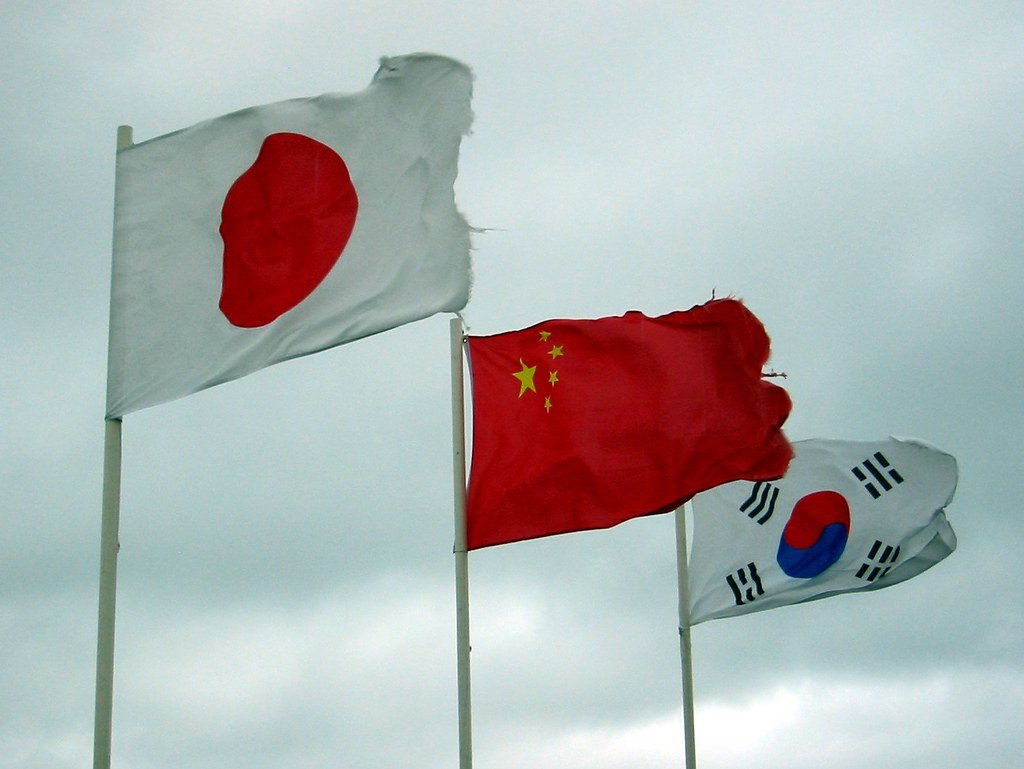
Amidst these developments, there were speculations about the formation of a new geopolitical alliance involving China, Russia, India, and Japan. This potential coalition, often referred to as the RICJ (Russia-India-China-Japan), could wield substantial economic influence, encompassing roughly one-third of global GDP and nearly 40 percent of the world’s population. Such an alliance could reshape trade routes, investment patterns, and technology standards across Eurasia, with China and Japan alone accounting for over half of the bloc’s total output. India’s rapid economic growth and Russia’s energy exports would further bolster the coalition’s collective resources.
The prospect of a RICJ alliance gained traction as governments across East and Southeast Asia grappled with the implications of Japan’s internal transition and U.S. protectionism. China, known for its adeptness in filling geopolitical vacuums, was expected to intensify its efforts through the Regional Comprehensive Economic Partnership (RCEP). Meanwhile, South Korea and ASEAN economies, facing competitive pressures, were likely to accelerate their efforts to establish alternative free-trade architectures independent of U.S. tariffs.
Historical Parallels and Future Implications
The unfolding scenario drew parallels to historical events where geopolitical alliances and economic strategies played pivotal roles in shaping global dynamics. One such historical parallel can be drawn from the Cold War era, where the détente period marked a significant shift in superpower relations. During this time, the United States and the Soviet Union recognized the need to reduce the risks of nuclear conflict and sought to stabilize their relationship through negotiations and arms control agreements. This period of détente was characterized by a cooling down of hostilities and a focus on reducing conflicts in marginal areas while creating alternatives to conflict in more critical regions.
Similarly, the current geopolitical landscape is witnessing a recalibration of alliances and economic strategies. The potential RICJ alliance, if realized, could serve as a counterbalance to U.S. protectionism and reshape the global economic order. The historical lessons from the détente period underscore the importance of diplomatic engagement and strategic partnerships in navigating complex geopolitical challenges.
As the world watches the evolving dynamics in Asia, the role of Japan’s new Prime Minister will be crucial in determining the country’s strategic direction. The speculations surrounding a possible RICJ-led defense against trade tariffs will likely be addressed as the new leadership assumes office. In the meantime, governments across the region are recalibrating their trade and investment priorities to adapt to the changing geopolitical landscape.







Post Comment