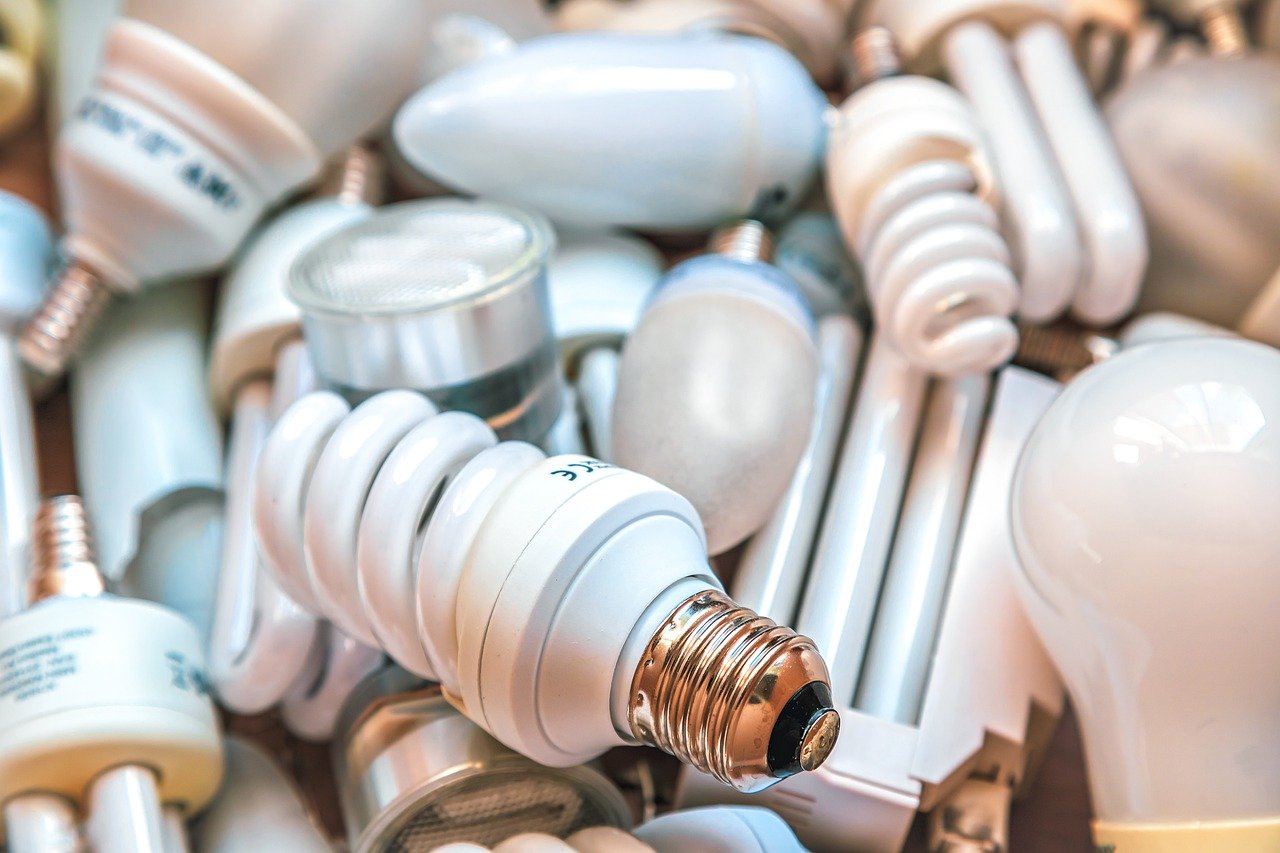
Mercury Health Risks Prompt Japan’s Fluorescent Lamp Ban
- Japan’s cabinet has approved a ban on all fluorescent lamps for general lighting by the end of 2027, aligning with an international convention against mercury pollution.
- The Japanese government has set ambitious targets to cut 60% of emissions by FY2035, with sector-specific emissions reduction goals for fiscal 2040.
- A government study revealed that 371 properties around critical security facilities in Japan were purchased by foreign individuals or entities in fiscal 2023, raising security concerns.
- U.S. President-elect Donald Trump has expressed his willingness to meet with Japanese Prime Minister Shigeru Ishiba in mid-January, aiming to strengthen their bilateral security alliance.
Japan’s cabinet has recently approved a significant revision to a government ordinance, effectively banning the manufacture, import, and export of all fluorescent lamps for general lighting by the end of 2027. This decision aligns with an agreement made last year by members of an international convention against mercury pollution. The convention called for a ban on the production and trade of all fluorescent lamps due to the associated health risks. The prohibition will be implemented in stages from January 2026, according to the type of fluorescent lamp, and will also cover button batteries that contain mercury.
Exposure to high levels of mercury can cause long-term and sometimes permanent health effects. Major domestic manufacturers in Japan, including Panasonic Corp, have announced they will end production of fluorescent lamps by the end of September 2027. This decision is particularly significant in light of Japan’s history with mercury pollution. In the 1950s, many residents of the coastal city of Minamata in the southwestern prefecture of Kumamoto suffered a neurological disorder caused by mercury poisoning after consuming fish contaminated by discharges from a nearby chemical plant.
Japan’s Ambitious Climate Goals
In other news, the Japanese government has set ambitious targets to cut 60% of emissions by FY2035. The targets, which some experts have criticized as insufficient to meet global climate goals, are in their final stages of preparation and are set to be submitted to the United Nations by February 2025. The government has outlined sector-specific emissions reduction goals for fiscal 2040, including cuts of 74 to 83 percent in the business sector, 64 to 82 percent in transportation, and 71 to 81 percent in households.
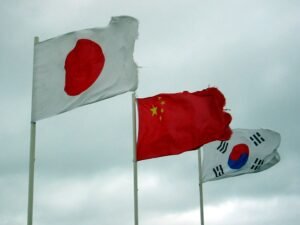
Meanwhile, a government study has shown that a total of 371 properties around critical security facilities and border islands in Japan were purchased by foreign individuals or entities in fiscal 2023. China accounted for the most acquisitions at 203, followed by South Korea at 49 and Taiwan at 46. This has raised concerns about the potential security implications of such acquisitions.
Navigating Complex International Relations
In international relations, U.S. President-elect Donald Trump has expressed his willingness to meet with Japanese Prime Minister Shigeru Ishiba in mid-January before his return to the White House. This meeting, if realized, will be the first in-person talks between the two since Trump won a second, nonconsecutive term in November. The two nations are working to strengthen their already robust bilateral security alliance in response to threats from China, North Korea, and Russia.
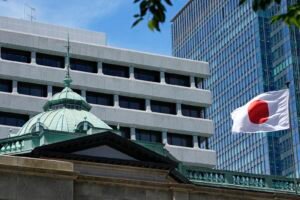
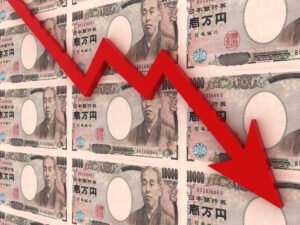
In economic news, the Bank of Japan has left interest rates unchanged due to a lack of clarity over wage trends at home and caution over the outlook for the U.S. economy under incoming President Donald Trump. The central bank has kept its key short-term rate on hold at around 0.25 percent for three consecutive meetings.






Post Comment