
Japan’s US Trip Canceled, Tariff Negotiation Stalls
- Japan’s Ryosei Akazawa postponed his U.S. visit amid unresolved trade talks.
- The negotiations aim to reduce tariffs on Japanese autos and avoid tariff stacking.
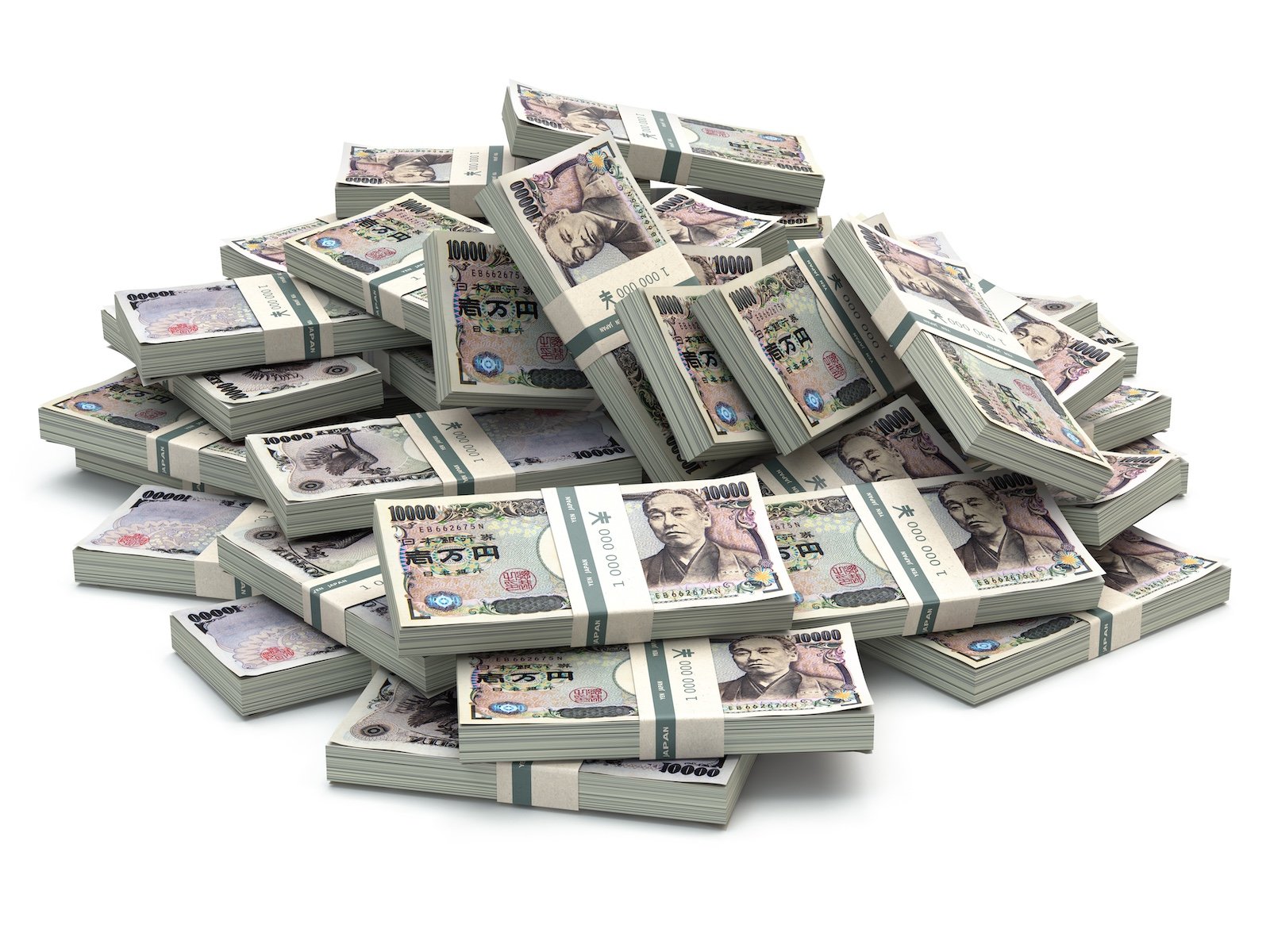
- Japan plans a $550 billion U.S. investment, crucial to the trade deal.
- Akazawa’s trip delay coincides with India’s Modi visiting Japan to discuss tariffs.
- The outcome will impact Japan-U.S. trade relations and global economic dynamics.
Japan’s chief tariff negotiator, Ryosei Akazawa, has postponed his planned visit to Washington, D.C., as the intricate details of a pivotal trade agreement with the United States remain unresolved. This decision highlights the complexity and sensitivity of the ongoing negotiations, which aim to address longstanding tariff issues between the two economic giants. Akazawa’s visit was initially intended to expedite the implementation of reduced tariffs on Japanese automobiles and auto parts, as well as to secure an exemption from the contentious practice of tariff stacking. This practice involves the United States imposing an additional country-specific tariff on top of existing duties, a move that Japan is keen to avoid.
The Japanese government has emphasized the urgency of resolving these issues, underscoring the importance of maintaining a stable and mutually beneficial trade relationship with the United States. The negotiations are part of a broader effort to ease tariff tensions, which have been exacerbated by the United States’ imposition of reciprocal tariffs. Under the current agreement, the U.S. has agreed to lower the country-specific levy for Japan from 24 percent to 15 percent, a significant reduction that reflects progress in the negotiations. However, the absence of a clear exemption from tariff stacking in President Trump’s executive order issued in early August has prompted Japan to seek further clarification and assurance.
In addition to the tariff discussions, Akazawa was expected to address a joint document outlining Japan’s commitment to invest $550 billion in the United States. This investment package, which includes a combination of investments, loans, and loan guarantees from government-backed financial institutions, is seen as a critical component of the trade deal. The package is designed to bolster economic ties between the two countries and to provide a counterbalance to the tariff reductions being negotiated.
Diplomatic Timing and Broader Implications
The cancellation of Akazawa’s trip coincides with Indian Prime Minister Narendra Modi’s upcoming visit to Japan. Scheduled for August 29-30, Modi’s visit is expected to focus on strengthening bilateral ties and addressing key issues such as U.S. tariffs and the strategic partnership between India and Japan. The timing of these events underscores the interconnected nature of international trade negotiations and the broader geopolitical considerations that influence them. The delay in finalizing the $550 billion investment deal has raised concerns about the potential impact on the broader economic relationship between Japan and the United States.
U.S. Commerce Secretary Howard Lutnick had recently indicated that an announcement on the investment package was imminent, but the need for further discussions at the administrative level has postponed any formal agreement. This setback underscores the challenges inherent in negotiating complex trade agreements, where even minor details can have significant implications for the parties involved. The broader context of these negotiations is shaped by the ongoing trade tensions between the United States and other major economies, including China and the European Union.
President Trump’s aggressive tariff policies have been a source of contention on the global stage, with many countries seeking to negotiate exemptions or reductions to mitigate the impact on their economies. The European Union, for example, has been working to fast-track the removal of tariffs on U.S. industrial goods, while Canada has recently lifted most of its retaliatory tariffs on U.S. goods in an effort to improve trade relations.







Post Comment