Japan’s Ramen Eateries Face Unprecedented Bankruptcy Wave
- Japan’s ramen industry is facing a crisis due to rising costs and the inability to raise prices.
- The average price of a bowl of ramen remained under 700 yen, straining operators grappling with soaring costs.
- Bankruptcies among ramen businesses jumped over 30 percent to 72 in 2024, up from 53 in 2023.
- The future of the ramen industry hangs in the balance as it navigates these challenges.
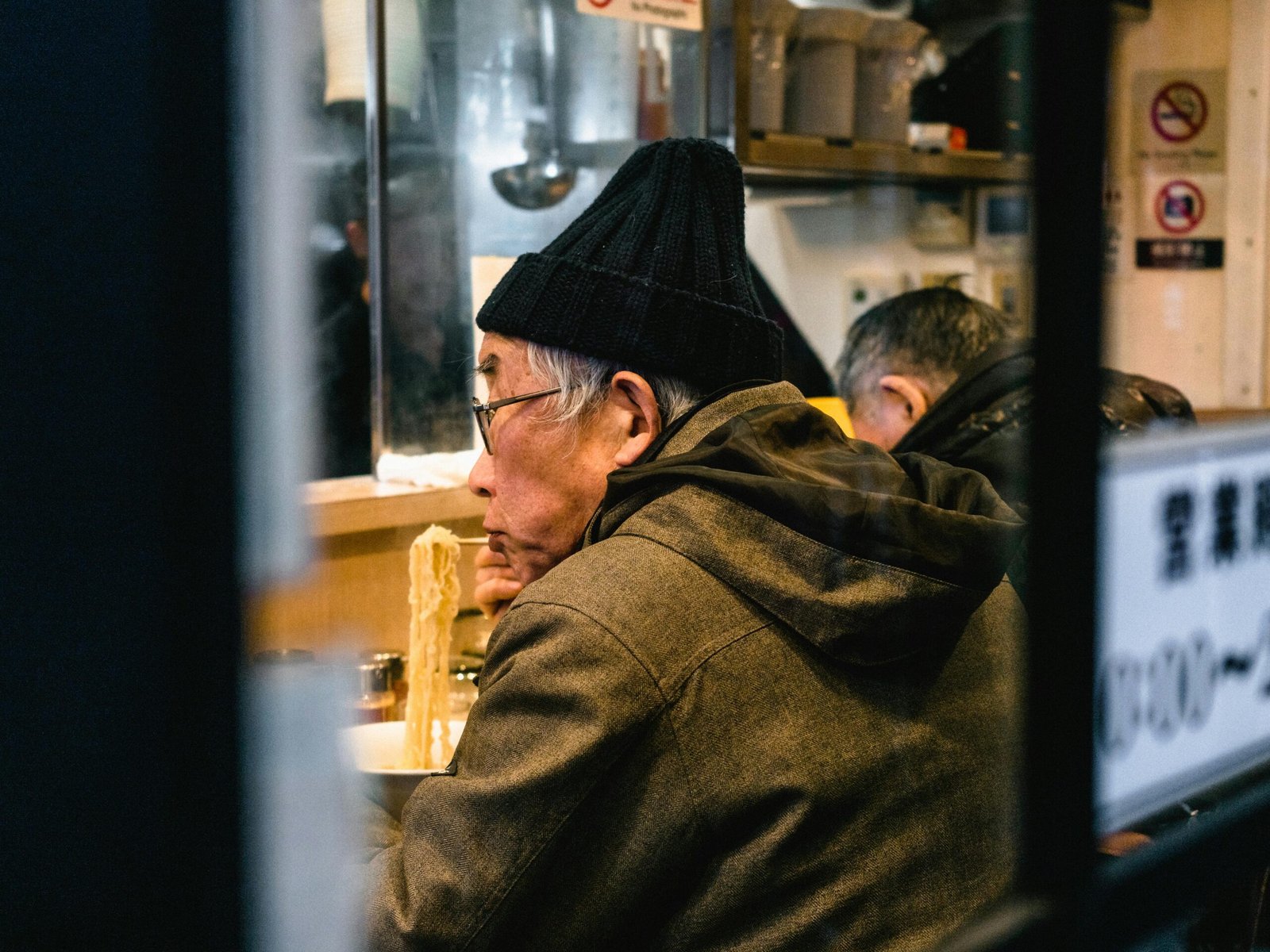
In an unprecedented turn of events, Japan’s ramen industry faced a significant blow in 2024. The year saw a record number of ramen noodle eateries declaring bankruptcy, a phenomenon attributed to the rising costs of ingredients and utilities, coupled with the inability to raise prices due to the food’s reputation for affordability.
Ramen, a popular dish in Japan and beyond, is a soup noodle that typically combines meat and vegetable toppings with broth. Despite the escalating costs, the average price of a bowl of ramen remained under 700 yen, according to Teikoku Databank Ltd, a research firm. This price point, while affordable for consumers, has put a strain on the operators of ramen eateries, who are grappling with soaring ingredient and utility costs.
The situation was further exacerbated by climbing personnel expenses due to labor shortages. Insolvencies among ramen business operators, resulting in liabilities of at least 10 million yen, jumped over 30 percent to 72 in 2024, up from 53 in 2023. This data, provided by Teikoku Databank, paints a grim picture of the state of the ramen industry in Japan.
The Price Hike Dilemma
The year 2024 saw ingredient costs rise by an average of over 10 percent from 2022. This increase has forced businesses to consider bringing their prices closer to 1,000 yen. However, crossing this line could tarnish ramen’s image as an everyman’s meal and potentially drive away diners.
Takatoyo Sato, manager of the noodle eatery Menkoi Dokoro Kiraku in Tokyo’s Shimbashi business district, echoed these sentiments. He last raised prices in May 2024 in response to tightening business conditions. The most popular dish among his local clientele, the shoyu ramen with soy sauce-based broth, saw a price increase from 780 yen in 2021 to 950 yen.
I couldn’t hesitate in raising prices, otherwise we’d have been in the red, Sato said during a break between lunch and dinner service. He works 17-hour shifts six days a week, a testament to the grueling conditions faced by those in the industry.
However, the decision to raise prices was not well-received by all his regulars. Sato noted a decline in customers following the price increase. People don’t say it, but they think it’s just ramen — that view is going to change, he said, referring to the rising costs of serving up the familiar comfort food.
Looking Ahead: The Future of Ramen
This sentiment is echoed by Munayoshi Suzuki, a 34-year-old Tokyo resident, who believes diners have been spoiled by low prices. He views food as a non-necessity more akin to cigarettes or alcohol.
Looking ahead, Teikoku Databank predicts that bankruptcies could continue into 2025. Small and medium-sized businesses are likely to be more reluctant than larger chains to revise their menu prices. Sato shares this view, stating that he does not think customers can be convinced to pay more just yet. We’ll just pray costs don’t go up further this year, he said.
This situation is reminiscent of the 1970s oil crisis, which led to a surge in prices and a subsequent economic downturn. Similar to the current predicament faced by ramen eateries, businesses then were unable to raise prices due to the economic climate, leading to widespread bankruptcies.












Post Comment