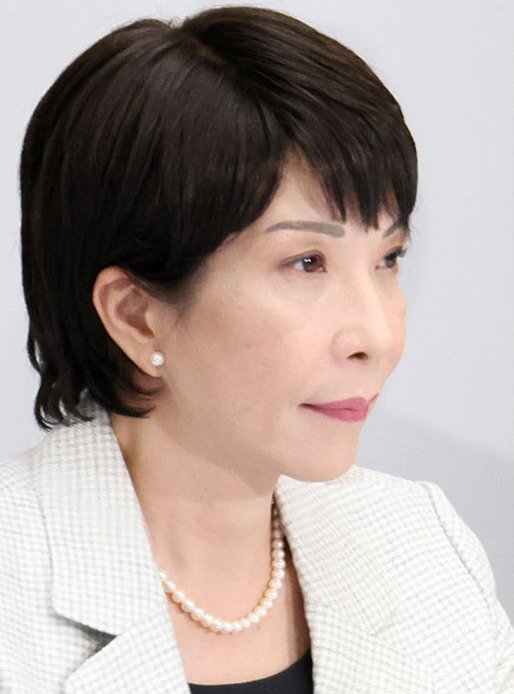
Japan’s Potential First Female Prime Minister Discusses Monetary Policy Responsibility
In an intriguing move that captured significant market attention, Sanae Takaichi, a contender for Japan’s first female prime minister, emphasized the Bank of Japan’s (BOJ) role in determining specific monetary policy measures during a recent news conference in Tokyo. Takaichi, viewed as a proponent of bold fiscal and monetary stimulus, refrained from echoing her previous criticism of the BOJ’s interest rate hikes, which she labeled as “stupid” last year.
Takaichi candidly expressed her belief that the government shoulders the responsibility of outlining the overall direction of fiscal and monetary policies, while the precise implementation of monetary policy measures falls within the purview of the BOJ. She cautioned against a steep increase in interest rates, highlighting potential adverse consequences on corporate investment and household mortgage rates.
The aspiring leader acknowledged Japan’s recent uptick in inflation, attributing it primarily to rising import expenses. Takaichi articulated her vision of transitioning Japan’s current inflationary environment into a more sustainable one driven by wage growth, emphasizing support for households and investments to enhance productivity.
As a leading contender alongside Agriculture, Forestry, and Fisheries Minister Shinjiro Koizumi in the ruling party’s upcoming leadership race on October 4, Takaichi’s perspectives on monetary policy starkly contrast with those of her competitors within the party. While she has been critical of the BOJ’s rate hikes, other candidates have either maintained silence or favored gradual increases in borrowing costs.
With the lingering inflation exceeding the 2% target for an extended period, BOJ Governor Kazuo Ueda has signaled the institution’s intention to cautiously raise interest rates from the current 0.5% to levels deemed more neutral for the economy.
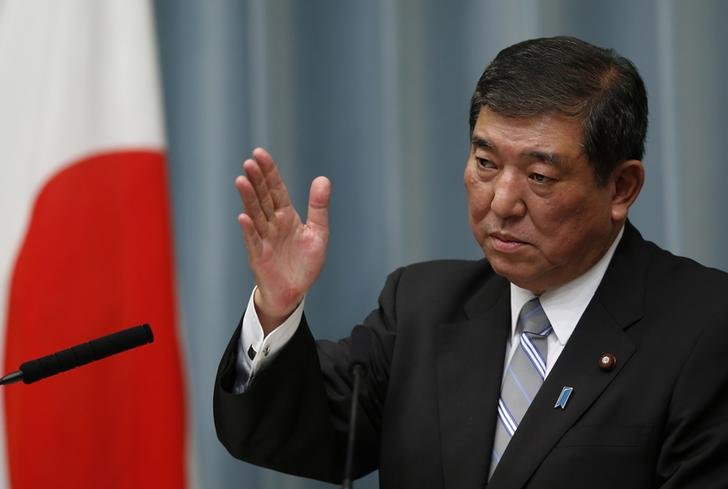
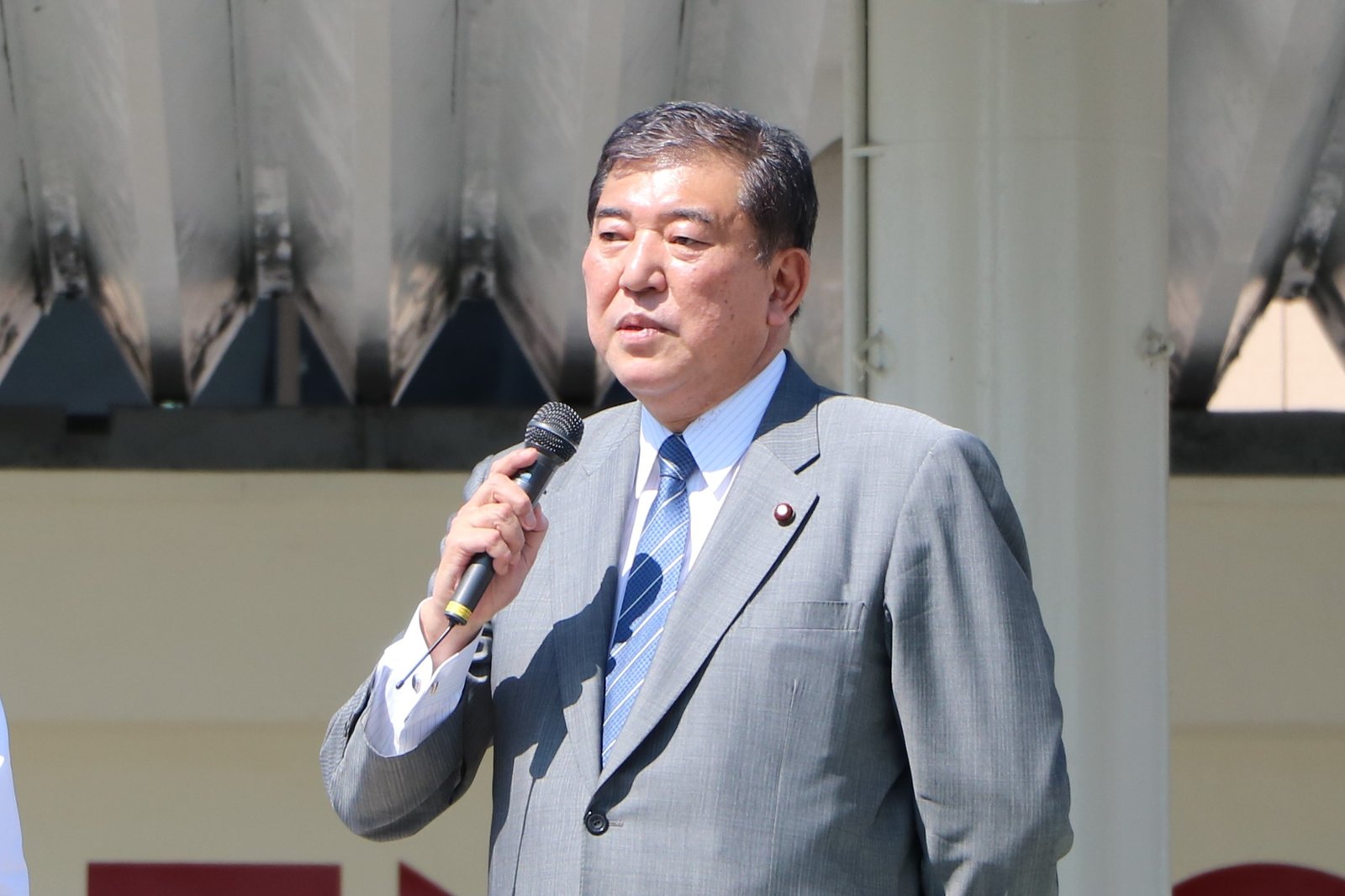
The stakes are high in Japan’s political landscape, with the leader of the Liberal Democratic Party (LDP) likely assuming the role of prime minister due to the party’s dominance in the lower house of parliament. However, uncertainties prevail, as the LDP recently lost its majorities in both houses under outgoing Prime Minister Shigeru Ishiba. Takaichi’s stance on monetary policy and her potential leadership could have significant implications for Japan’s economic trajectory in the coming months.










Post Comment