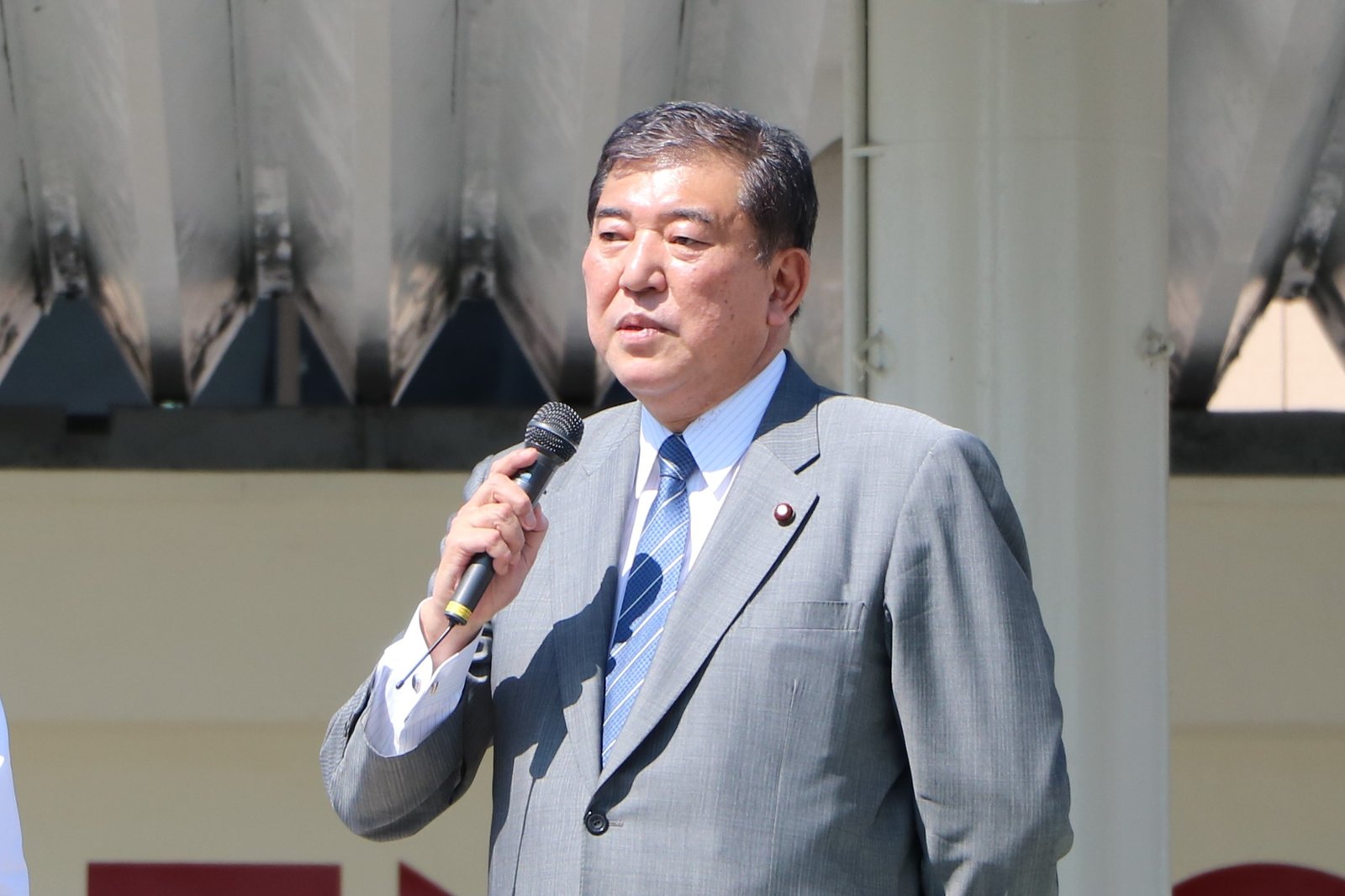
Japan’s PM Seeks Trump Talks for Stronger Alliance
- Japanese PM Shigeru Ishiba emphasizes strengthening the US-Japan alliance due to regional security concerns.
- Ishiba hopes to meet with President-elect Trump to discuss the alliance and shared perspectives on Northeast Asia.
- Domestically, Ishiba faces opposition negotiations and is pushing for political reform and a change in the gender-biased surname law.
- The strengthening of the US-Japan alliance is not new, but its impact under the new US administration remains to be seen.
Japanese Prime Minister Shigeru Ishiba recently underscored the importance of fortifying Japan’s alliance with the United States, a move he deems crucial for regional security. This assertion comes in the wake of escalating concerns about China’s assertive military activity, which includes violations of Japanese airspace and territorial waters, and joint military drills with Russia in proximity to Japan. The repeated test-firing of ballistic missiles by North Korea, as part of its nuclear and missile development programs, has also raised alarm bells.
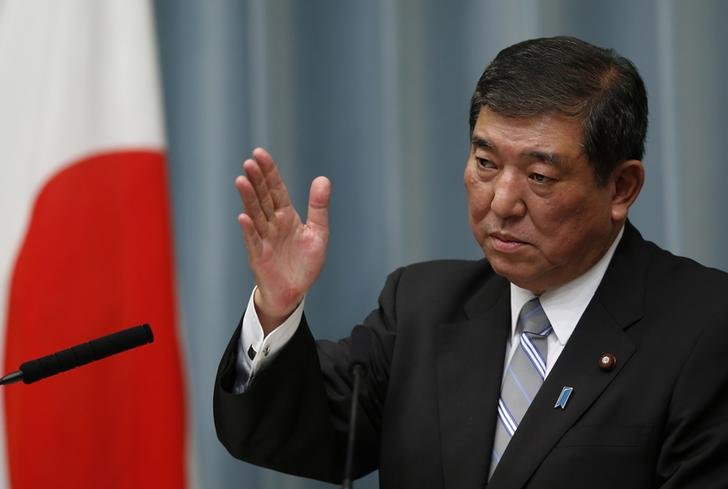
Ishiba, who currently leads a minority government following a significant election loss in October, has expressed his desire to meet with U.S. President-elect Donald Trump. I hope to hold talks with President-elect Trump as early as possible so that we can elevate the Japan-U.S. alliance to even higher levels,” Ishiba stated. He further emphasized the importance of sharing a common perspective on the situation in Northeast Asia to elevate the alliance.
Meeting with Trump and Domestic Challenges
Despite his eagerness, Ishiba revealed that he was informed that meetings with world leaders before Trump’s Jan. 20 inauguration were restricted under U.S. law. However, Trump conveyed a willingness to meet the Japanese leader around mid-January during a dinner with Akie Abe, the widow of late Japanese Prime Minister Shinzo Abe. No specific details have been set, but officials are working on finding an appropriate timing.
At home, Ishiba faces tough negotiations with the opposition, a significant change for his Liberal Democratic Party’s ruling coalition that has long forced through its favored legislation by taking advantage of its dominance in parliament. Ishiba said he did his utmost to listen to opposition voices and form as broad consensus as possible on political reform legislation and supplementary budget plan.
Addressing Gender Bias and Historical Precedence
In addition to security concerns, Ishiba also addressed a domestic issue that has sparked criticism both in Japan and abroad. He promised to accelerate discussion on the possibility of allowing married couples an option to keep both of their surnames by changing the current law requiring one surname per household. The rule has forced the majority of women to adopt their husbands’ surnames, triggering criticism for being gender-biased. Most opposition lawmakers and even a powerful business organization now support the surname policy change, which has been blocked for decades by LDP conservatives.
This is not the first time that Japan has sought to strengthen its alliance with the U.S. in the face of regional security threats. During the Cold War, Japan relied heavily on the U.S. for its security, especially against the threat posed by the Soviet Union. Today, the threats may have changed, but the need for a strong alliance remains.
In conclusion, as history has shown, such alliances are not just about military cooperation, but also involve deep economic and political ties. It remains to be seen how this renewed emphasis on the Japan-U.S. alliance will play out in the coming years, especially under the new U.S. administration. The challenges are many, but the commitment to regional security and domestic reform remains a priority for Prime Minister Ishiba’s administration.







Post Comment