Japan’s PM Kishida Steps Down, Paving Way for New Leadership
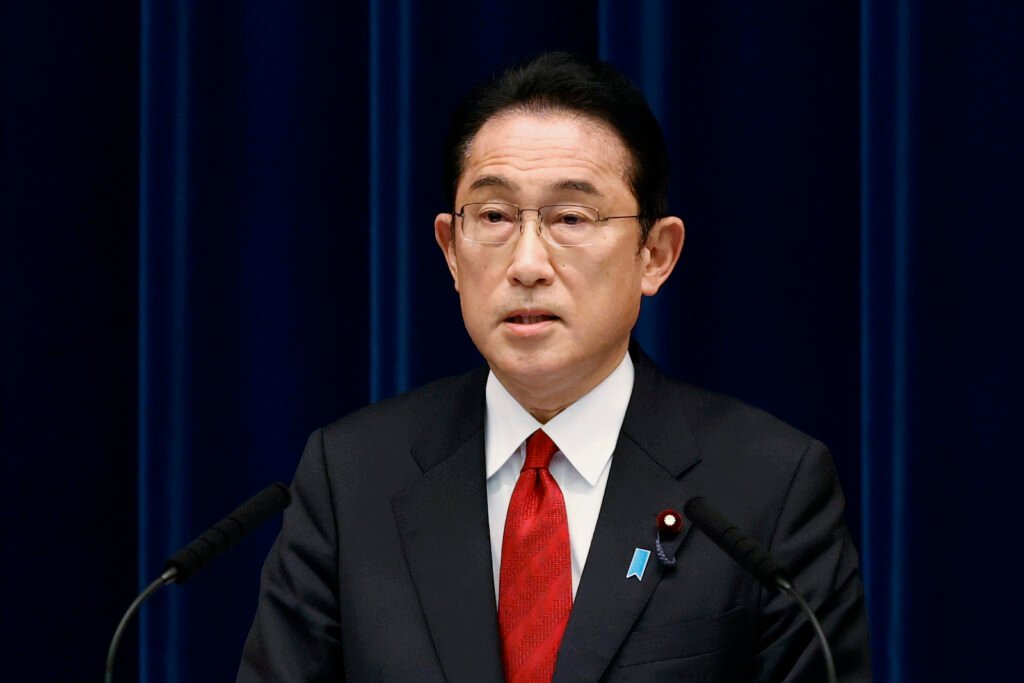
- Japan’s PM Fumio Kishida announced he won’t seek re-election, paving way for new leadership.
- Kishida’s term was marred by corruption scandals, leading to a dip in his support ratings.
- Despite challenges, Kishida made strides in policy reforms, including a return to nuclear power and political reforms.
- Speculation on potential successors includes senior LDP lawmakers, with the new leader to be endorsed as PM after the party election.
In a surprising turn of events, Japan‘s Prime Minister Fumio Kishida announced on Wednesday that he will not be seeking re-election in the upcoming party leadership vote in September. This unexpected decision paves the way for a new leader to take the helm of the country’s government. Kishida, who was elected as the president of the governing Liberal Democratic Party (LDP) in 2021, has seen his three-year term marred by corruption scandals within his party, leading to a significant dip in his support ratings, which have fallen below 20%.
These scandals have not only tarnished the party’s reputation but have also led to a loss of public trust in the government. In a press conference, Kishida stated, “We need to clearly show an LDP reborn. In order to show a changing LDP, the most obvious first step is for me to bow out.” He further added, “I will not run for the upcoming party leadership election.” This decision, he believes, is the first step towards demonstrating a reformed LDP to the public.
Kishida’s Tenure and Challenges
Kishida’s decision to step down is seen as an opportunity for the LDP to present a fresh face to the public, signaling a change for the better. The Prime Minister has expressed his intention to support the new leader, emphasizing the need for unity within the party to regain public trust and tackle the difficult situations both within and outside Japan.
The Prime Minister’s tenure has been marked by a series of challenges, including corruption scandals involving more than 80 LDP lawmakers, mostly from a major party faction previously led by the assassinated former Prime Minister Shinzo Abe. The scandal, which centered on unreported political funds raised through tickets sold for party events, has exposed the LDP’s deep-rooted ties with the Unification Church, leading to further criticism of Kishida.
Despite these challenges, Kishida has made significant strides in policy reforms. He has put key policies on track, including a return to nuclear power, a drastic military buildup to deal with security threats in the region, and improving ties with South Korea. He has also initiated political reforms, removed several cabinet ministers and others from party executive posts, dissolved party factions criticized as the source of money-for-favor politics, and tightened political funds control law.

The Road Ahead for LDP
However, despite these efforts, support for his government has dwindled. Local election losses earlier in the year eroded his clout, and LDP lawmakers have voiced the need for a fresh face ahead of the next general election. Major losses in the Tokyo metropolitan assembly by-elections in July also added to the push for change.
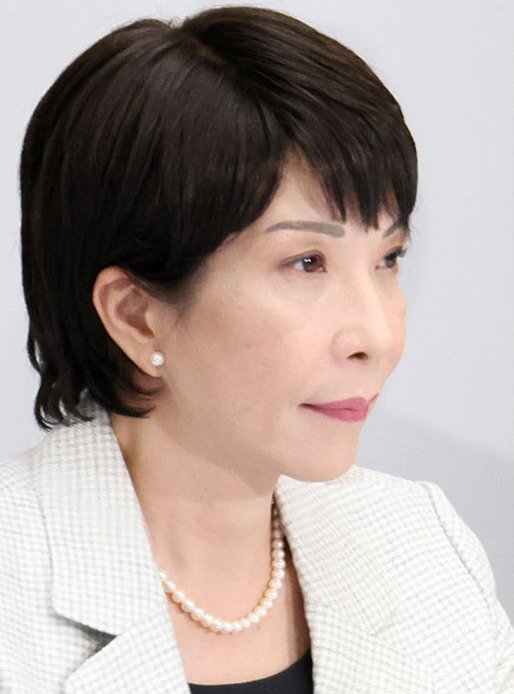
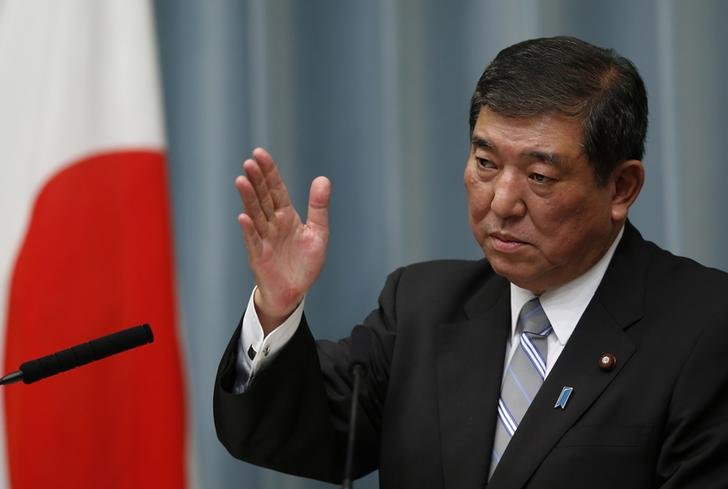
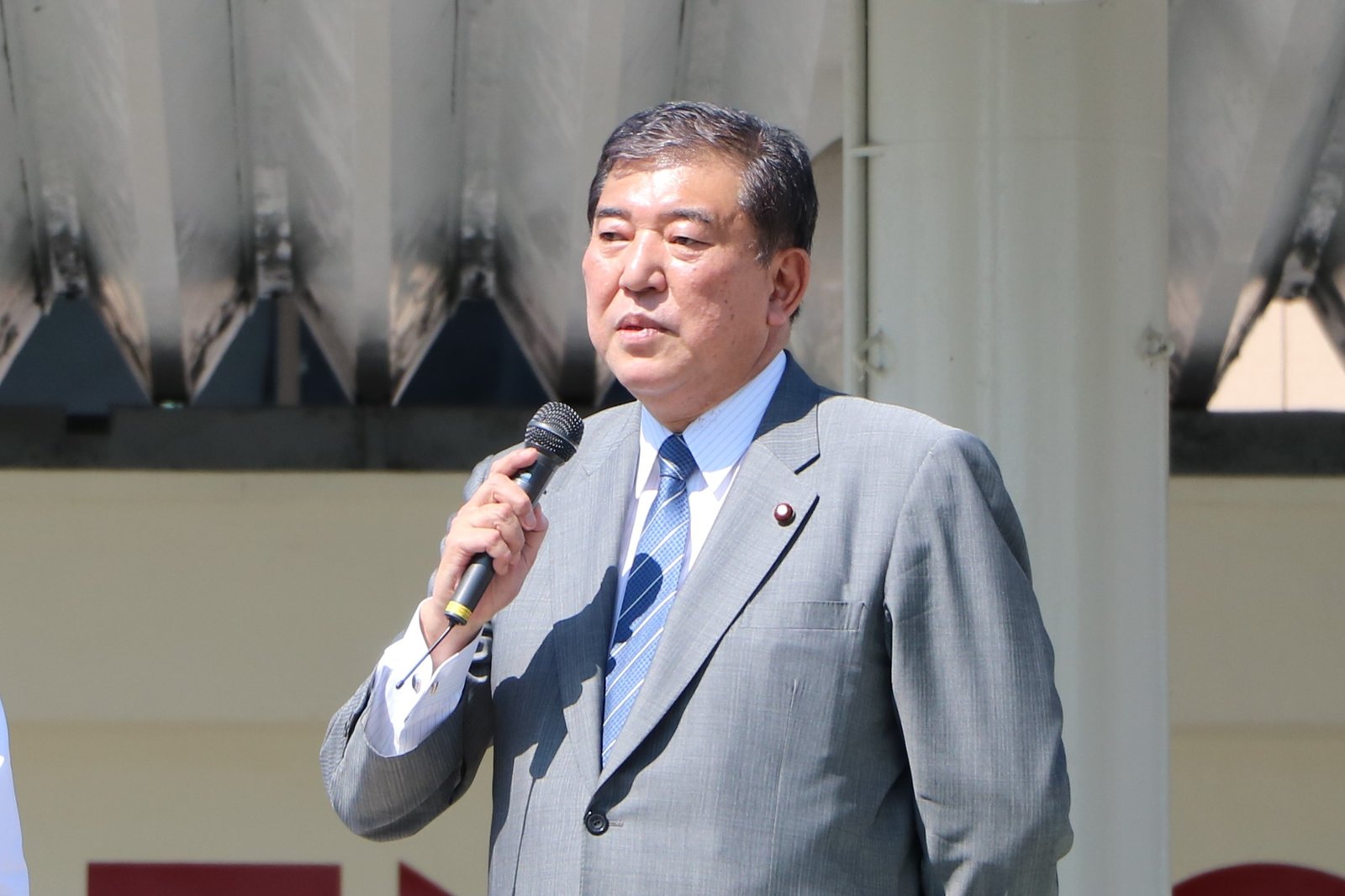
Speculation on potential candidates to succeed Kishida has landed on several senior LDP lawmakers, including party Secretary-General Toshimitsu Motegi, Digital Minister Taro Kono, Economic Security Minister Sanae Takaichi, former Defense Minister Shigeru Ishiba, and Foreign Minister Yoko Kamikawa. The new leader, who will replace Kishida as party president, will be endorsed as the new prime minister in a parliamentary vote soon after the party election. LDP executives are expected to decide next week on the date for the party election.
In conclusion, Kishida’s decision to step down marks a significant turning point in Japanese politics. It opens the door for a new leader to take the reins and steer the country towards a future that regains public trust and effectively tackles the challenges that lie ahead. The upcoming party leadership vote in September will undoubtedly be a critical event in determining the future course of Japan’s political landscape.








Post Comment