
Japan’s PM Ishiba Vows To Stay On After Election Loss
- Japan’s PM Ishiba vows to stay despite election losses weakening his coalition.
- The opposition considers a no-confidence vote amid rising political uncertainty.
- Ishiba aims to oversee U.S. tariff talks and tackle domestic economic issues.
- The far-right Sanseito party gains traction, adding to Japan’s political volatility.
- Ishiba’s leadership faces scrutiny as Japan navigates economic and political challenges.
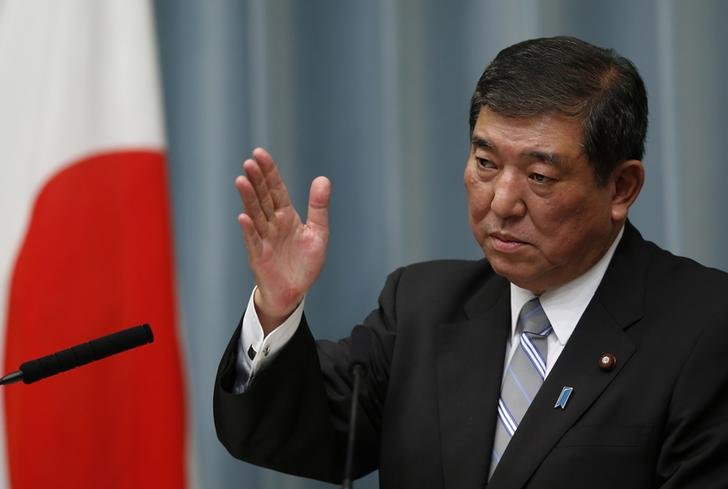
Japanese Prime Minister Shigeru Ishiba has declared his intention to remain in office despite his ruling coalition’s significant defeat in the recent upper house elections. This electoral setback has not only weakened his political standing but has also sparked discussions within his own party about his future leadership. The opposition, sensing an opportunity, is contemplating a no-confidence motion against his administration. During a press conference, Ishiba expressed his determination to stay in office, emphasizing the importance of overseeing critical tariff negotiations with the United States and addressing pressing domestic issues such as rising consumer prices. These economic challenges are straining Japan’s economy, which is the fourth largest in the world.
“The political situation has become fluid and could lead to a leadership change or the reshuffling of the coalition in coming months, but Prime Minister Shigeru Ishiba will likely stay to complete the tariff negotiations with the U.S. for now,” stated Norihiro Yamaguchi, lead Japan economist at Oxford Economics. The election results have left Ishiba’s Liberal Democratic Party (LDP) and its coalition partner Komeito with only 47 seats, falling short of the 50 needed to secure a majority in the 248-seat upper chamber. This outcome has emboldened the opposition, with the main opposition Constitutional Democratic Party (CDPJ) leader, Yoshihiko Noda, considering a vote of no-confidence. The CDPJ secured 22 seats, finishing second in the election.
Internal Party Dissent and Rising Populism
The political landscape in Japan is now more volatile than ever, with some senior LDP lawmakers quietly questioning Ishiba’s ability to lead. Former Prime Minister Taro Aso, a prominent figure within the ruling party, reportedly expressed his disapproval of Ishiba’s continued leadership. Local media reports suggest that senior party members, including Aso, convened to discuss whether Ishiba should resign. Adding to the complexity of the situation is the rise of the far-right Sanseito party, which made significant gains in the election, securing 14 additional seats. The party, which gained popularity through its nationalist rhetoric and warnings about a “silent invasion” of foreigners, has brought populist politics to the forefront in Japan. Sanseito’s leader, Sohei Kamiya, has drawn comparisons to far-right parties in Europe, such as Germany’s AfD and Reform UK.
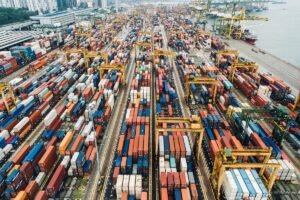
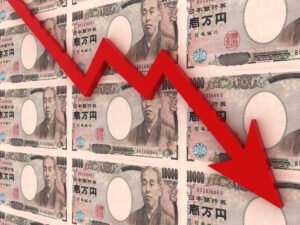
The economic implications of the election results are also significant. Investors are concerned that Ishiba’s administration may become more reliant on opposition parties advocating for tax cuts and increased welfare spending, which Japan, as the world’s most indebted country, can ill afford. The yen strengthened slightly, and Nikkei futures rose as the election results were priced in, but the overall market sentiment remains cautious. Japan’s chief tariff negotiator, Ryosei Akazawa, has already departed for Washington to engage in trade talks, marking his eighth visit in three months. The looming deadline for tariffs set to be imposed by the United States on August 1 has added to the economic anxiety.
Voters, frustrated by the lack of progress in averting these tariffs, have expressed their dissatisfaction. “Had the ruling party resolved even one of these issues, it (its approval rate) would have gone up, but we didn’t feel anything, and it seems like the U.S. would continue to push us around,” said Hideaki Matsuda, a 60-year-old company manager. Historically, Japan has faced similar political and economic challenges. The country’s political landscape has often been characterized by periods of instability, with leadership changes and coalition reshuffling. In the past, Japan has navigated through economic crises, such as the asset bubble burst in the early 1990s, which led to a prolonged period of economic stagnation known as the “Lost Decade.”
Economic Challenges and Historical Context
During this time, Japan’s political leadership faced immense pressure to implement economic reforms and stabilize the economy. In the current scenario, Ishiba’s leadership is under scrutiny, and his ability to navigate the complex political and economic landscape will be crucial. The opposition’s calls for tax cuts and welfare spending resonate with voters who are grappling with rising prices and stagnant wages. However, implementing such measures could further strain Japan’s fiscal position. The rise of populist politics, as seen with the Sanseito party, adds another layer of complexity. Populist movements have gained traction globally, often capitalizing on economic discontent and nationalist sentiments. In Japan, the Sanseito party’s success reflects a growing frustration with the status quo and a desire for change.
As Japan’s political and economic future hangs in the balance, the coming months will be critical. Ishiba’s ability to manage the tariff negotiations with the United States, address domestic economic challenges, and maintain political stability will determine his political fate. The opposition, meanwhile, will continue to press for change, seeking to capitalize on the ruling coalition’s weakened position. In conclusion, Japan’s political landscape is undergoing a significant transformation. The recent election results have exposed deep-seated economic and political challenges that require urgent attention.
As Prime Minister Shigeru Ishiba navigates this turbulent period, the decisions made in the coming months will have far-reaching implications for Japan’s future. The world will be watching closely as Japan grapples with these challenges, seeking to find a path forward in an increasingly complex global environment.






Post Comment