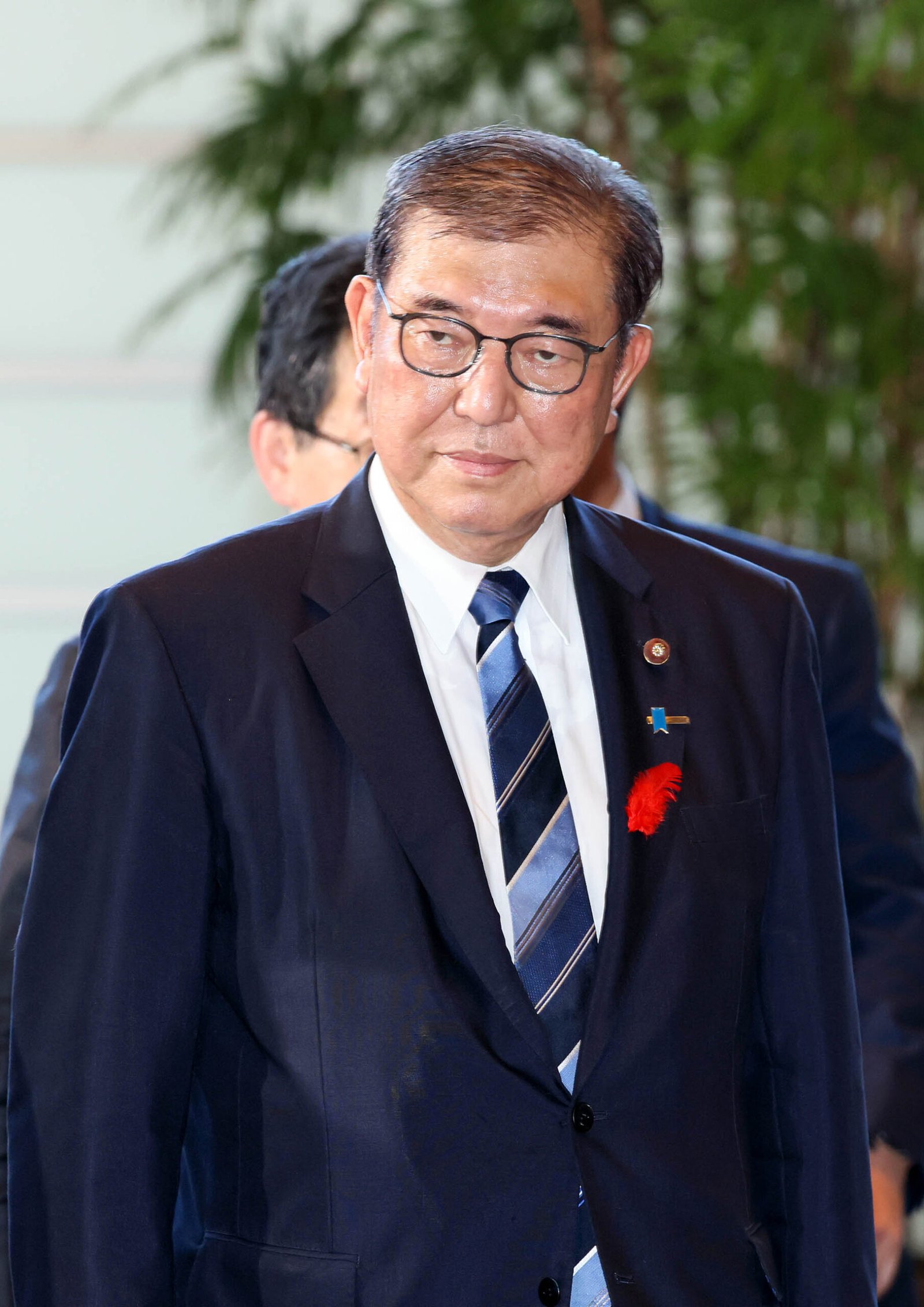
Japan’s PM Ishiba Eyes Asian NATO Amid ASEAN Summit
- Japan’s new PM, Shigeru Ishiba, is set to engage in crucial talks at the ASEAN summit in Laos.
- Ishiba plans to hold bilateral summits with leaders including Chinese Premier Li Qiang and Indian PM Narendra Modi.
- Ishiba will host the second Asia Zero Emission Community (AZEC) summit, discussing strategies for carbon-free economic growth.
- The outcomes of these meetings could shape the future trajectory of Japan’s foreign policy and its relationships with its neighbors.
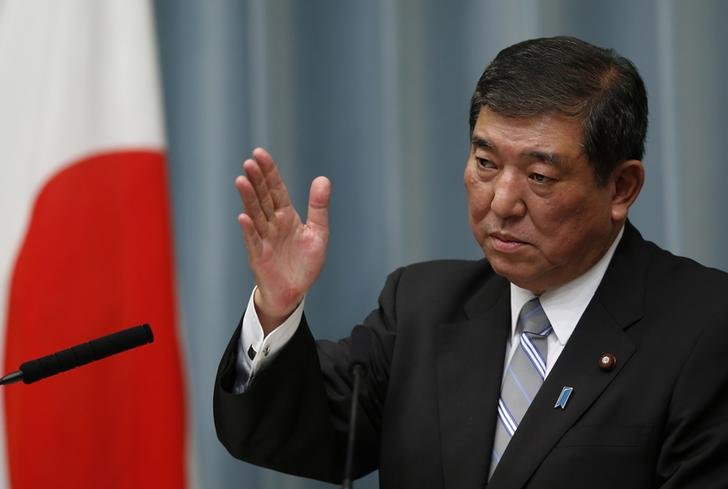
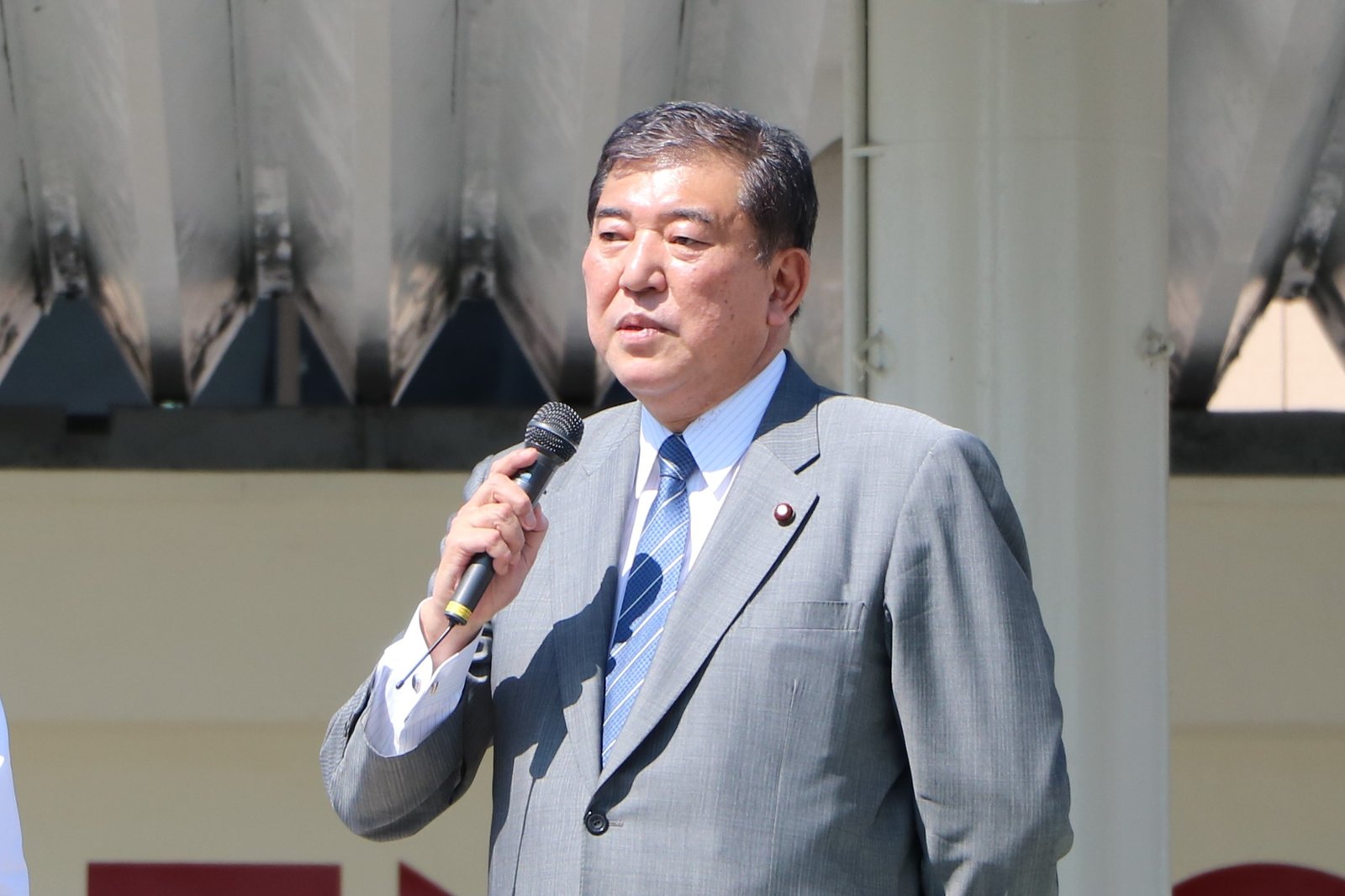
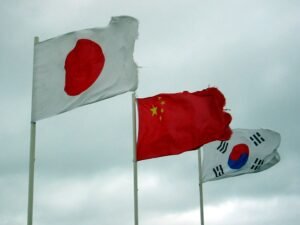
Japan’s newly appointed Prime Minister, Shigeru Ishiba, is set to engage in a series of discussions this week, coinciding with the ASEAN summit in Laos. This information was confirmed by a high-ranking official on Tuesday, with media reports suggesting that among the attendees will be the Premier of China. The relationship between China and Japan has been strained in recent years due to territorial disputes and military activities. Ishiba has been vocal about his proposal for the establishment of an Asian NATO, a move that could potentially alter the dynamics of the region.
Ishiba’s visit to Laos, scheduled from Thursday to Saturday, is primarily to participate in the ASEAN-related summits. The Association of Southeast Asian Nations (ASEAN) is a regional bloc that plays a significant role in the geopolitical landscape of the region. In addition to the multilateral meetings, Ishiba is planning to hold bilateral summits. The details of these meetings are still being finalized, according to Deputy Chief Cabinet Secretary Keiichiro Tachibana.
Media reports suggest that these bilateral summits will include discussions with Chinese Premier Li Qiang, South Korean President Yoon Suk Yeol, Indian Prime Minister Narendra Modi, and Anthony Albanese of Australia. Tachibana emphasized the importance of the ASEAN-related summits, describing them as crucial forums where major countries in the Indo-Pacific region convene.
Ishiba’s Agenda: Strengthening Japan-ASEAN Cooperation and Decarbonization
He further stated that through these meetings, Japan aims to reaffirm its commitment to strengthening Japan-ASEAN cooperation, positioning itself as a reliable partner for ASEAN. Ishiba’s itinerary includes attending the ASEAN Plus Three summit on Thursday, which comprises the ten ASEAN members, Japan, China, and South Korea. On Friday, he will participate in the East Asia Summit, a grouping that includes ASEAN Plus Three members, Australia, India, New Zealand, Russia, and the United States.
On the same day, Ishiba will host the second Asia Zero Emission Community (AZEC) summit. The leaders are expected to discuss strategies for achieving carbon-free economic growth and energy security. AZEC was established in 2022 by Ishiba’s predecessor, Fumio Kishida, with the stated goal of accelerating decarbonization in Asia. However, critics argue that the initiative is primarily aimed at promoting Japanese technologies that extend other countries’ reliance on fossil fuels.
Critics Question the Effectiveness of AZEC
A recent study by Zero Carbon Analytics revealed that over a third of the agreements signed under AZEC so far are related to fossil fuel technologies. These include liquified natural gas, ammonia co-firing with coal plants, and carbon capture and storage, which, according to Zero Carbon Analytics researcher Amy Kong, have much higher lifecycle emissions than solar and wind.
The upcoming meetings and summits will be a crucial test for Ishiba, who emerged as a frontrunner in a leadership vote described as the most unpredictable in many years. The winner of this vote was certain to become prime minister due to the conservative Liberal Democratic Party’s parliamentary majority. The new leader will face numerous challenges, both domestically and internationally. These include regional security threats from an increasingly assertive China and its deepening defense ties with Russia, as well as North Korea’s banned missile tests.
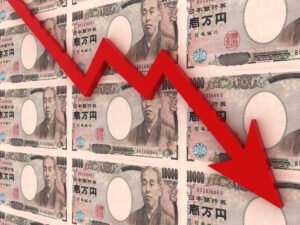
At home, the leader will be tasked with revitalizing the economy as the central bank moves away from decades of monetary easing that has devalued the yen. In conclusion, the upcoming ASEAN summit and the bilateral meetings planned on its sidelines will be a significant platform for Japan’s new Prime Minister, Shigeru Ishiba, to articulate his vision for Japan and its role in the region. The outcomes of these meetings could potentially shape the future trajectory of Japan’s foreign policy and its relationships with its neighbors.







Post Comment