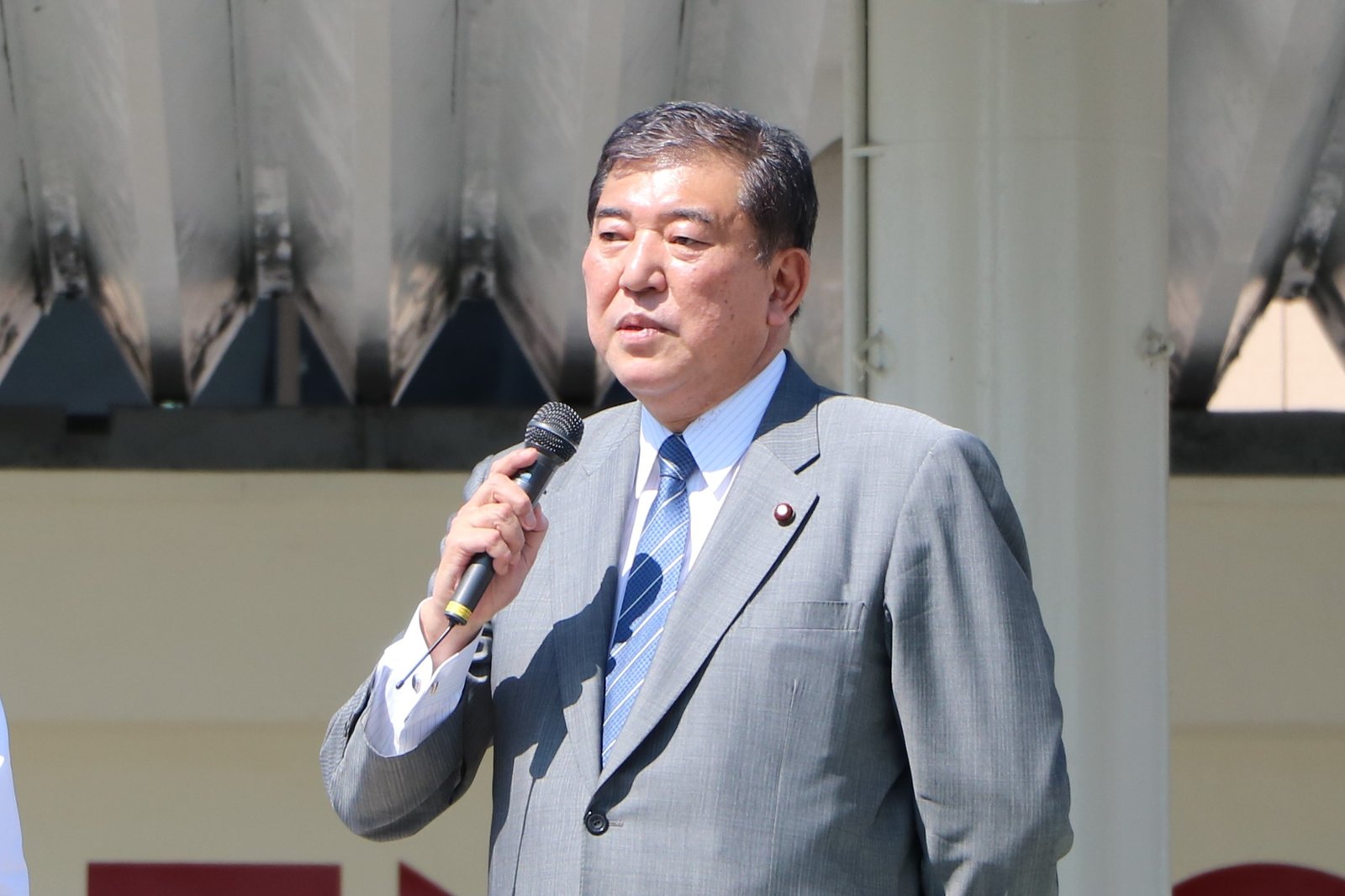
Japan’s PM Ishiba Enjoys Highest Approval Since Inauguration
- Japanese Prime Minister Shigeru Ishiba’s cabinet approval rate has risen to 44%, the highest since his inauguration.
- The rise indicates growing public confidence in Ishiba’s leadership and his cabinet’s policies.
- The approval rate boost follows Ishiba’s first meeting with US President Donald Trump, potentially impacting Japan-US relations.
- The rise in approval rate underscores the importance of effective international diplomacy in shaping public sentiment and political stability.
The political landscape of Japan has recently witnessed a significant development. The approval rate of Japanese Prime Minister Shigeru Ishiba’s cabinet has seen a considerable rise. The public broadcaster NHK reported on Monday that the approval rate has risen by 5 points from the previous month, reaching 44%. This is the highest level of approval the Prime Minister has received since his inauguration in October.
The rise in approval rate is a significant development in the political landscape of Japan. It indicates a growing public confidence in the leadership of Prime Minister Ishiba and his cabinet. This is a crucial factor in the stability and effectiveness of any government, and the recent rise in approval rate is a positive sign for the Ishiba administration.
The NHK poll, conducted from February 7-9, provides a snapshot of public sentiment towards the government. The rise in approval rate suggests that the policies and actions of the Ishiba administration are resonating with the public.
Historical Precedents and International Diplomacy
The rise in approval rate comes on the heels of Prime Minister Ishiba’s first meeting with United States President Donald Trump, which took place on Friday in Washington. The meeting was a significant event, marking the first formal interaction between the two leaders. The outcomes of this meeting could have far-reaching implications for the bilateral relations between Japan and the United States, and potentially influence the future trajectory of international politics.
The rise in approval rate for Prime Minister Ishiba’s cabinet is reminiscent of similar events in history. For instance, in 2013, the approval rate for the cabinet of then Japanese Prime Minister Shinzo Abe also saw a significant rise following his successful diplomatic engagements with international leaders. This historical precedent suggests that successful international diplomacy can have a positive impact on the domestic approval rate of a government.
Implications for Japan’s Future
The rise in approval rate for Prime Minister Ishiba’s cabinet is a testament to the effectiveness of his leadership and the policies of his administration. It is a positive sign for the future of Japan, indicating a growing public confidence in the government. The rise in approval rate also underscores the importance of effective international diplomacy in shaping public sentiment and political stability.








Post Comment