Japan’s Concern Over South Korea’s Political Turmoil Amid Yoon’s Detention
- Japan is closely monitoring South Korea’s political developments, emphasizing the importance of bilateral relations despite the turmoil.
- North Korea’s recent missile launch and China’s willingness for a trilateral summit add to the regional complexities.
- Japan’s economic challenges include a rise in corporate bankruptcies and a ban on Japanese seafood imports by China.
- Amid these developments, Japan stresses the importance of maintaining strong relations with South Korea and working towards the denuclearization of the Korean Peninsula.
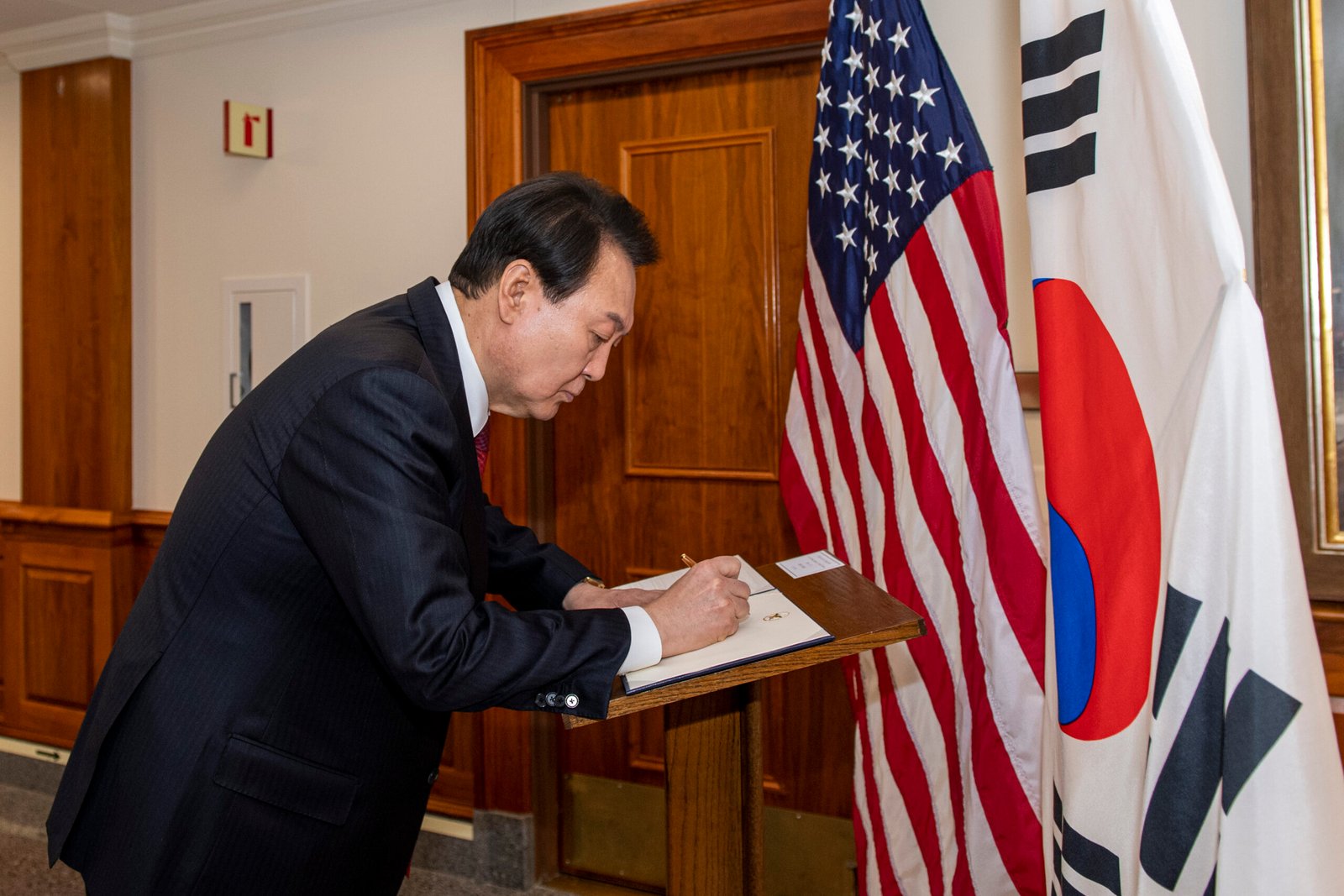
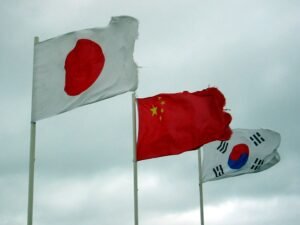
Japan is closely monitoring the political developments in South Korea, following the detention of President Yoon Suk Yeol over his declaration of martial law in December. This unexpected move has raised particular and grave concerns in Japan, with Chief Cabinet Secretary Yoshimasa Hayashi expressing Japan’s intent to closely monitor the situation. Despite the political turmoil in South Korea, Hayashi emphasized that the importance of bilateral relations between the two nations remains unchanged.
Japan views South Korea as an important neighbor who as a partner can jointly tackle global challenges, Hayashi said, adding that the significance of the relationship will not be altered by the current circumstances. The imposition of martial law by Yoon, albeit short-lived, stunned not only South Korea but the world. However, it is noteworthy that relations between Tokyo and Seoul have seen considerable improvement since Yoon assumed presidency in 2022.
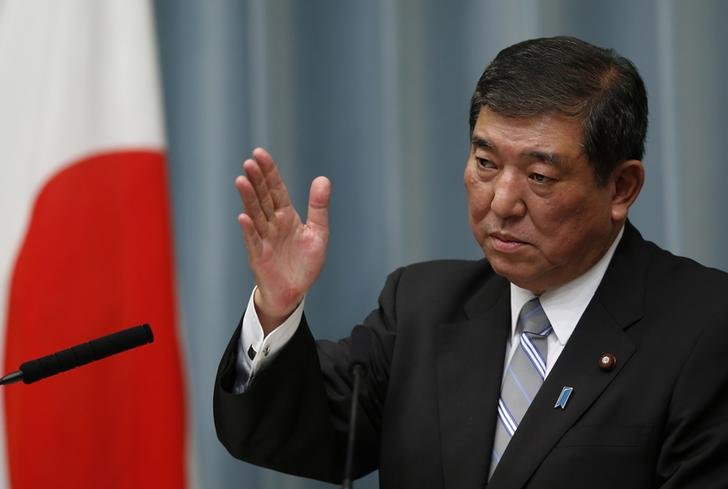
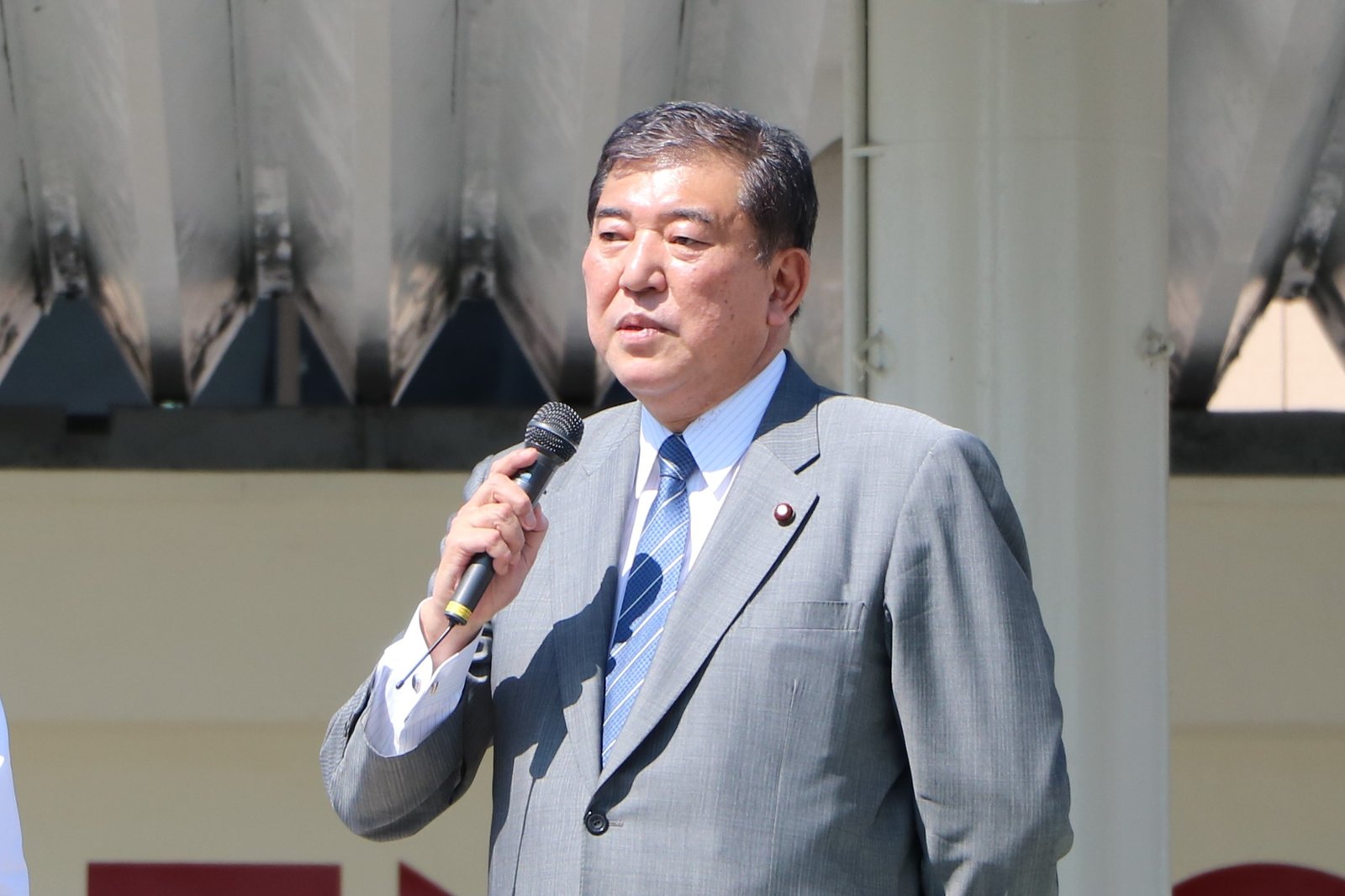
Japanese Prime Minister Shigeru Ishiba, who took office in October, has expressed hope that the momentum for improving ties, long fraught with difficulties stemming from Japan’s 1910-1945 colonial rule of the Korean Peninsula, can be maintained. Both Japan and South Korea are U.S. allies, and their trilateral cooperation has gained greater importance in the face of North Korea’s nuclear and missile development.
North Korea’s Missile Launch and China’s Willingness for Trilateral Summit
In related news, North Korea recently fired several short-range ballistic missiles toward the Sea of Japan, marking the second round of launches this year. The missiles were launched from the Ganggye area in the northern province of Jagang and flew around 250 kilometers before falling into the sea. Despite this, no damage was reported in Japan’s territory and exclusive economic zone.
This latest launch comes around a week before U.S. President-elect Donald Trump takes office. Trump has previously held summit talks with North Korean leader Kim Jong Un, including once in Singapore in June 2018, on the denuclearization of the Korean Peninsula. In another development, Chinese Premier Li Qiang expressed his willingness to travel to Japan for a trilateral summit with South Korea. This comes as Japan’s ruling bloc lawmakers met with Li at the Great Hall of the People in Beijing.
Japan’s Economic Challenges Amid Regional Developments
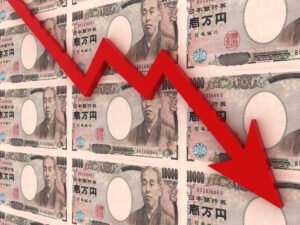
The meeting was aimed at helping mend strained bilateral ties and sought an end to Beijing’s blanket ban on Japanese seafood imports, which has been in place since August 2023. Meanwhile, the number of corporate bankruptcies in Japan exceeded 10,000 for the first time in 11 years in 2024. Businesses faced a worsening labor shortage and higher prices of imported supplies due to the yen’s depreciation. Small and medium-sized enterprises were hit hard, with the end of special tax deferral measures introduced during the COVID-19 pandemic causing an additional financial burden.






Post Comment