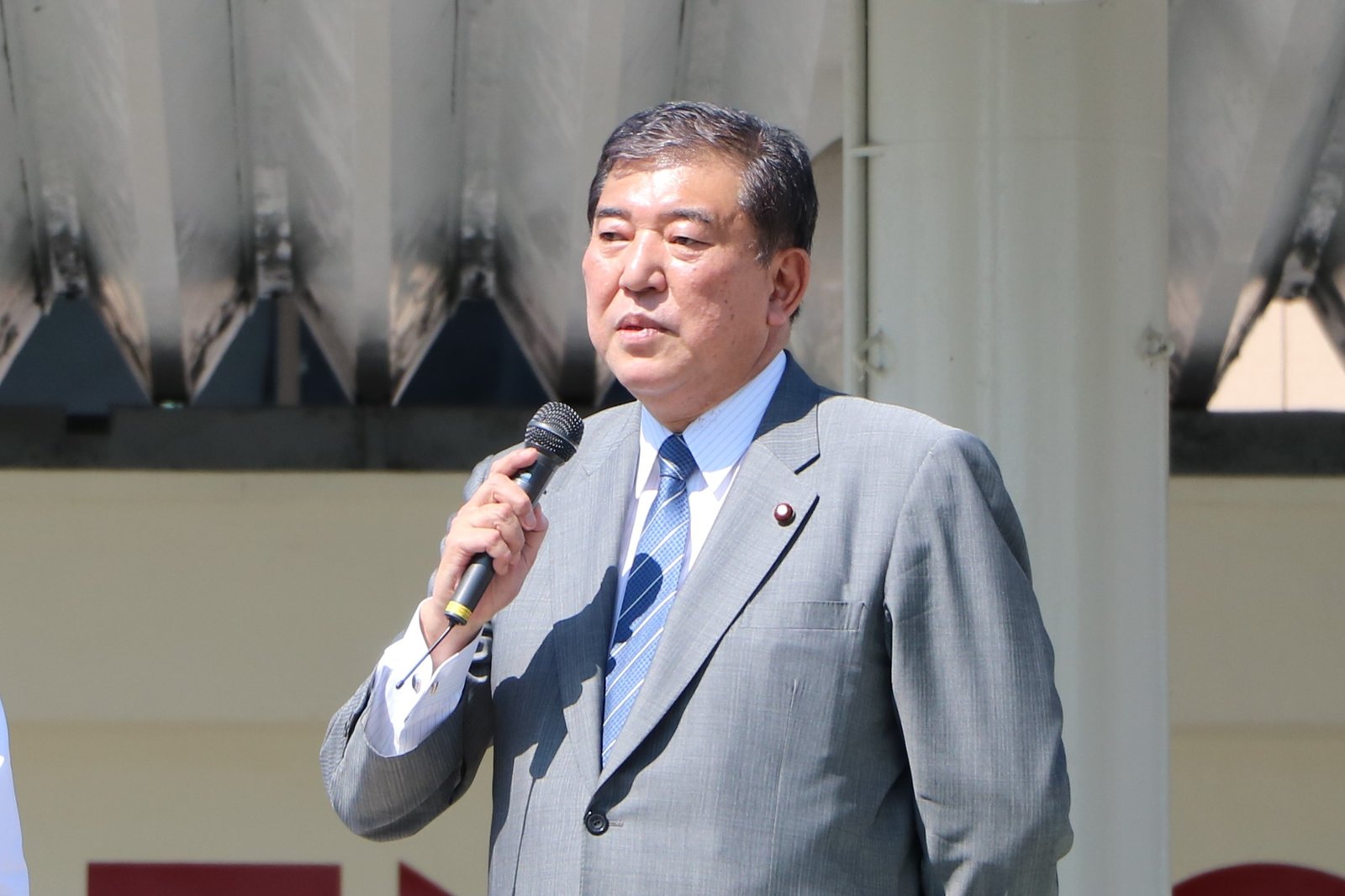
Japan Pledges Solidarity with Ukraine Amid Conflict
- Japan’s Prime Minister Shigeru Ishiba assured Ukraine’s President Volodymyr Zelenskyy of Japan’s unwavering support amid the ongoing conflict.
- Japan Airlines’ network suffered a cyberattack, disrupting services, while Nippon Steel Corp. delayed its acquisition of United States Steel Corp.
- Japan’s Financial Services Agency directed Aeon Co.’s banking unit to address insufficient measures against money laundering.
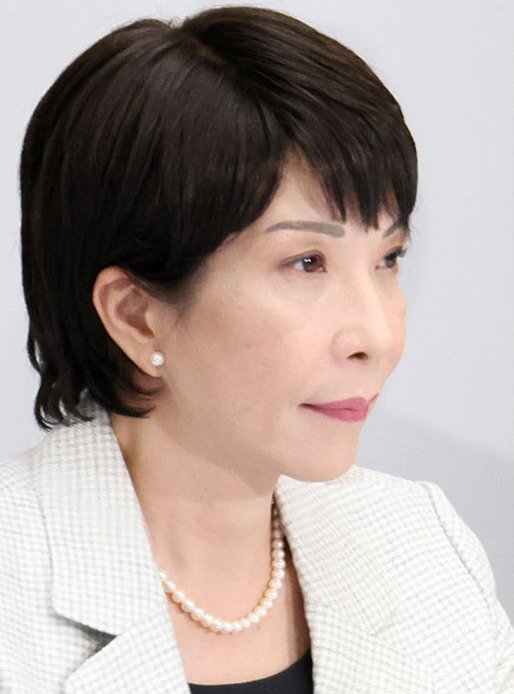
- Japan’s education minister requested her advisory panel to consider expanding the discretion of schools, allowing them to better accommodate children with diverse personalities and characteristics.
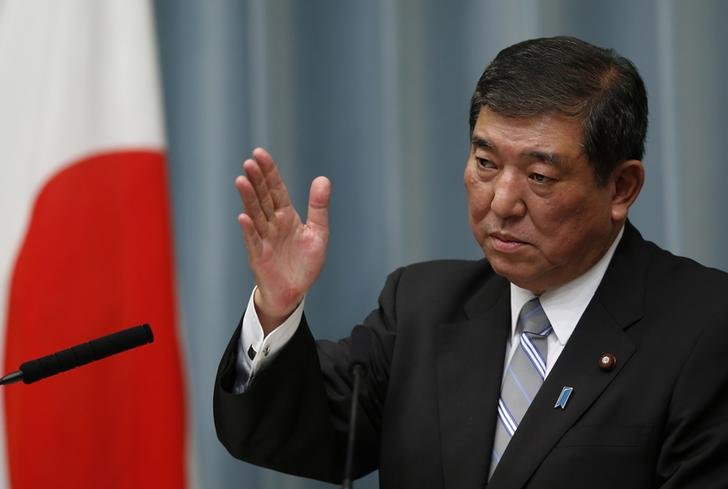
Japan’s Prime Minister Shigeru Ishiba recently assured Ukrainian President Volodymyr Zelenskyy of Japan’s unwavering support in a phone call. This marked their first interaction since Ishiba took office in October. The leaders discussed the ongoing situation in Ukraine, including the recent involvement of North Korean soldiers in the conflict. The Japanese Foreign Ministry reported that both leaders agreed to continue coordinating closely.
Ishiba expressed his concern about the implications of the Ukraine situation for East Asia, where tensions remain high between China and Taiwan. China views Taiwan as a renegade province that should be unified with the mainland by force, if necessary. The participation of North Korean troops in the war against Ukraine, which is a sign of deepening cooperation between Moscow and Pyongyang, has also become a source of concern for Japan.
Zelenskyy revealed earlier this week that over 3,000 North Korean soldiers have been killed or wounded while fighting alongside Russian forces. In November, Japan and Ukraine signed an agreement to facilitate the exchange of classified security information during an unannounced visit to Kyiv by Japan’s Foreign Minister Takeshi Iwaya.
Japan’s Cybersecurity and Business Developments
In other news, Japan Airlines’ network suffered a cyberattack, disrupting luggage services and delaying flights at the start of the New Year holiday season. The airline assured customers that no personal information was leaked and no damage was caused by computer viruses.
In the business sector, Nippon Steel Corp. announced a delay in its planned acquisition of United States Steel Corp. to March 2025, citing an ongoing review of the deal in the United States. The decision came after a U.S. panel of federal agencies could not reach a consensus on whether to approve the $14.1 billion sale of U.S. Steel to the Japanese company, leaving the final decision to President Joe Biden.
Japan’s Financial Services Agency directed retail giant Aeon Co.’s banking unit to address insufficient measures against money laundering. This is the first business improvement order since Japan’s financial watchdog strengthened bank monitoring over alleged misuse of accounts following a 2021 request from an intergovernmental body tasked with combating money laundering and terrorist financing.
Japan’s Diplomatic and Educational Initiatives
In the realm of diplomacy, Japan and China signaled steady progress in their bilateral ties, with Japanese Foreign Minister Takeshi Iwaya conveying a plan to relax visa requirements for Chinese tourists and agreeing on an early visit to his country by top Chinese diplomat Wang Yi. However, Iwaya also conveyed his serious concerns over intensifying Chinese military activities and demanded the removal of a new buoy Japan confirmed in its exclusive economic zone off a remote southwestern island.
In the education sector, Japan’s education minister requested her advisory panel to consider expanding the discretion of schools, allowing them to better accommodate children with diverse personalities and characteristics. The proposals also called for measures to drastically improve information utilization capabilities across elementary, junior high, and high schools in the face of rapid advancements in digital technology, such as artificial intelligence.
In a bid to restore voter trust, Japan’s parliament approved a series of legislative changes aimed at abolishing policy activity funds that can be spent without disclosure and setting up a third-party oversight entity to monitor fund reporting. The ruling and opposition parties will continue to discuss early next year whether to abolish donations from companies and other entities.







Post Comment