JAL Recovers Post Cyberattack, Flight Sales Resume
- Japan Airlines (JAL) recently experienced a cyberattack causing significant flight delays.
- Despite the disruption, JAL assured no customer information was leaked and no damage from computer viruses occurred.
- This incident is part of a growing trend of cyberattacks on Japanese firms, including JAXA, Nagoya Port, and Niconico.
- The cyberattack on JAL underscores the need for robust cybersecurity measures and constant vigilance against increasingly sophisticated cyber threats.
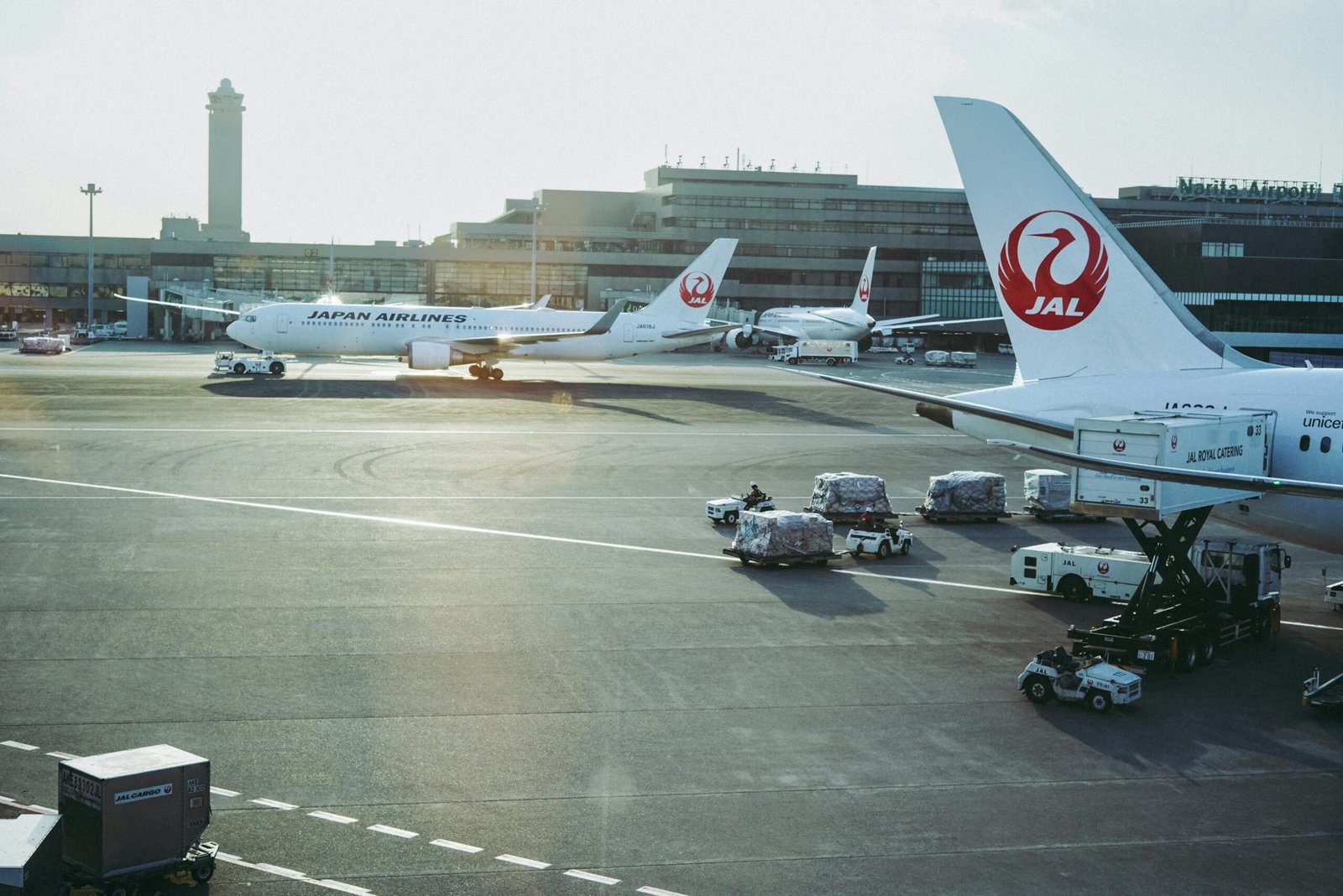
Japan Airlines (JAL), the country’s second-largest airline after All Nippon Airways (ANA), recently reported a cyberattack that led to significant delays in both domestic and international flights. However, the airline later announced that it had identified and addressed the cause of the issue. The cyberattack disrupted the airline’s baggage check-in system, causing delays in more than a dozen flights across several Japanese airports. Despite the disruption, there were no mass cancellations or major disruptions reported.
The airline’s sales for both domestic and international flights departing on the day of the attack were suspended in the morning but resumed in the afternoon. The network disruption began at 7:24 a.m. on the day of the attack, according to a statement released by JAL. The airline managed to isolate the router causing the disruption by 8:56 a.m. temporarily.
JAL’s Response and Market Impact
Following the news of the cyberattack, JAL shares fell as much as 2.5 percent in morning trade before recovering slightly. A JAL spokeswoman confirmed to AFP that the company had indeed been subjected to a cyberattack. However, the company assured that no customer information was leaked, and it suffered no damage from computer viruses.
Cyberattacks on Japanese Firms: A Growing Concern
This incident is not an isolated one. In recent years, several Japanese firms have fallen victim to cyberattacks. In 2023, Japan’s space agency JAXA reported a likely cyberattack by unknown entities. However, no sensitive information about rockets or satellites was accessed. The same year, Nagoya Port, one of Japan’s busiest, was crippled by a ransomware attack blamed on Lockbit, a Russia-based cybercrime organization.
In a shocking revelation, Japan’s National Center of Incident Readiness and Strategy for Cybersecurity (NISC), the agency responsible for defenses against cyberattacks, was reportedly infiltrated by hackers in 2023 for as long as nine months. In 2022, a cyberattack was behind the disruption at a Toyota supplier that forced the top-selling automaker to halt operations at domestic plants for a day.
More recently, the popular Japanese video-sharing website Niconico suspended its services in June because it was under a large-scale cyberattack, according to its operator. The cyberattack on JAL comes in the wake of a similar incident involving American Airlines, which briefly grounded all flights for an hour, disrupting travel for thousands on Christmas Eve, due to a technical glitch involving its network hardware.
These incidents highlight the growing threat of cyberattacks on major corporations and government agencies worldwide. They underscore the need for robust cybersecurity measures and the importance of constant vigilance in the face of increasingly sophisticated cyber threats.












Post Comment