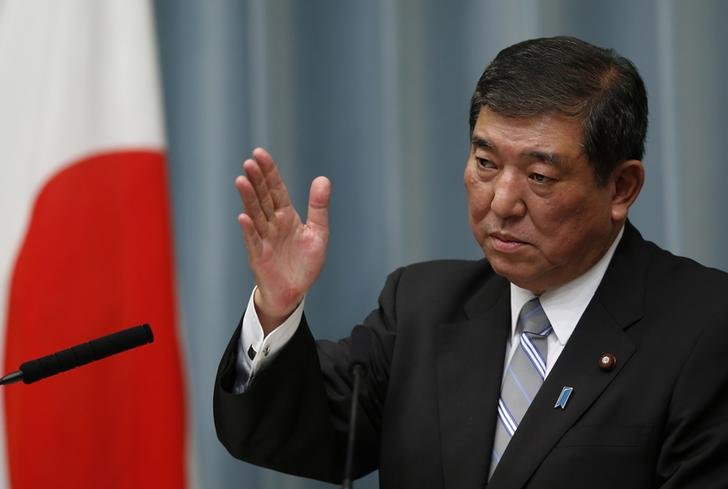
Ishiba’s Strategic Moves Ahead of Japan’s Snap Election Decoded
- Shigeru Ishiba, Japan’s new LDP leader, plans a snap election to solidify his position.
- Ishiba appointed seasoned lawmakers to key posts, aiming to unite the party.
- Resistance within the party and foreign policy challenges pose hurdles for Ishiba.
- The upcoming general election will be a crucial test for Ishiba’s leadership.
Shigeru Ishiba, the newly elected leader of Japan‘s ruling Liberal Democratic Party (LDP), has made a significant political move by announcing his intention to hold a general election on October 27. This decision comes a day before his expected nomination as Prime Minister in an extraordinary Diet session. The move to call for an election soon after assuming the role of Prime Minister is seen as a strategic step by Ishiba to seek a public mandate and solidify his position.
Ishiba’s rise to power follows a hotly contested presidential election within the LDP. In an attempt to unite the party and expand his support base, Ishiba has appointed seasoned lawmakers to key executive posts. Notably, he has chosen two influential former Prime Ministers, Taro Aso and Yoshihide Suga, as adviser and vice president respectively. This move is seen as a symbolic gesture to bridge the intraparty divides and prepare for the upcoming election.
Hiroshi Moriyama, the former head of the LDP’s decision-making General Council and longest-serving Diet affairs chief, has been appointed as the party’s secretary general, the second most powerful position within the party. Itsunori Onodera, a former Defense Minister and a defense policy expert like Ishiba, will serve as policy chief. These appointments reflect Ishiba’s strategy to draw on the experience and influence of seasoned lawmakers to navigate the challenges ahead.
Ishiba’s Challenges and Resistance Within the Party
However, Ishiba’s efforts to unite the party have met with some resistance. Sanae Takaichi, who was believed to have been supported by Aso in the leadership race, rejected Ishiba’s request to serve as head of the General Council. Similarly, Takayuki Kobayashi, a former economic security minister, turned down an offer to take the post of PR chief. These rejections indicate the ongoing divisions within the party, posing a significant challenge to Ishiba’s leadership.
On the foreign policy front, Ishiba has proposed the idea of an Asian NATO as a response to the perceived need for collective defense in the face of China‘s military activities. This proposal, however, has been met with resistance from the US, indicating potential diplomatic challenges ahead. Despite this, Ishiba’s focus on regional security and his willingness to discuss such a significant shift in policy indicates a hawkish stance and a desire to strengthen Japan’s role in regional security.
In the run-up to the election, Ishiba has also sought to leverage the popularity of Shinjiro Koizumi, who competed in the presidential election, by asking him to serve as election strategy chief. This move is seen as an attempt to appeal to the general public and gain wider support for the LDP.
The Upcoming General Election and Ishiba’s Strategy
The upcoming general election, which must be held before the current term of the House of Representatives ends in October 2025, is seen as a crucial test for Ishiba’s leadership. As he prepares to lead Japan into this election, Ishiba faces the challenge of uniting a divided party and securing a public mandate for his administration.
In conclusion, Shigeru Ishiba’s rise to power marks a significant shift in Japan’s political landscape. His decision to call for a general election soon after becoming Prime Minister, his strategic appointments to key executive posts, and his hawkish stance on foreign policy all indicate a leader who is ready to take bold steps to secure his position and navigate the challenges ahead. However, the ongoing divisions within the LDP and the resistance to his foreign policy proposals indicate that Ishiba’s path to consolidating his leadership will not be without challenges. As Japan prepares for the upcoming general election, all eyes will be on Ishiba and his strategies to unite the party and secure a public mandate.







Post Comment