Global Labor Market Trends Amid Economic Shifts

- The global labor market is undergoing significant changes due to factors like the COVID-19 pandemic, demographic shifts, and technological advancements.
- Japan’s unemployment rate rose to 2.7 percent in July 2023, with workers leaving jobs in search of better conditions, despite rising living costs.
- The COVID-19 pandemic has disrupted labor markets worldwide, with job losses and changes in working conditions in countries like the US and China.
- Governments and organizations need to address these challenges to ensure a fair and inclusive labor market, including implementing policies to prevent discrimination and support workers seeking better opportunities.
The global labor market is witnessing significant changes, influenced by various factors such as the COVID-19 pandemic, demographic shifts, and technological advancements. These transformations are evident in different regions, with each facing unique challenges and trends.
In July 2023, Japan experienced a rise in its unemployment rate to 2.7 percent, up from 2.5 percent in the previous month. This marked the first deterioration in five months, attributed to an increase in workers leaving their jobs in search of improved working conditions. The total number of employed individuals fell 0.3 percent to a seasonally adjusted 67.66 million, while those without jobs rose 6.3 percent to 1.87 million.
The Impact of Economic Factors on Employment
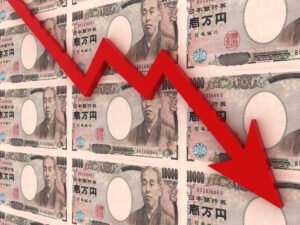
The rise in unemployment was linked to workers seeking better employment opportunities, such as higher pay and more vacation time. This trend, termed as positive unemployment by a ministry official, suggested that the labor market remains tight, and these individuals are not expected to remain unemployed for long. However, the search for better conditions comes as Japanese households grapple with rising living costs due to the yen’s weakness, which has inflated import prices, particularly for food and energy.

Economists, however, do not view the rise in unemployment as a cause for concern. Saisuke Sakai, a senior economist at Mizuho Research & Technologies Ltd., stated that Japan’s labor shortage is a structural problem, and he would not be too worried about the latest data. He also noted that bankruptcies are on the rise due to the weak yen and rising labor costs, which could potentially shrink labor demand in the future.
Global Labor Market Trends Amid Pandemic
The situation in Japan reflects broader global labor market trends. The COVID-19 pandemic has disrupted labor markets worldwide, leading to job losses and changes in working conditions. In the United States, for instance, concerns about the economy heading for a hard landing led to speculation that the Federal Reserve could intervene with an emergency interest rate cut. The latest jobs report indicated worrying evidence of a slowing job market, but it was not enough to spur an emergency inter-meeting move by the Fed.
In China, the belief that white-collar workers face job insecurity after they hit 35, known as the Curse of 35, has become a prevalent concern. Age discrimination, which is not against the law in China, is prevalent, and the job market is weak. This has led to a double whammy for workers in their mid-30s who are making big decisions about career, marriage, and children.
Addressing Challenges in the Labor Market
In the UK, legislation was introduced to ban employers from requiring Canadian work experience when advertising for jobs. This could potentially open the door for some immigrants, but employment discrimination isn’t black and white. The job market is weak, and age discrimination is prevalent, making it difficult for workers in their mid-30s to secure jobs.
In conclusion, the labor market is undergoing significant changes, with various factors influencing employment rates and working conditions. Governments and organizations need to address these challenges to ensure a fair and inclusive labor market. This includes implementing policies to prevent discrimination, providing support for workers seeking better employment opportunities, and addressing structural issues in the labor market. The global labor market’s future will depend on how effectively these challenges are addressed, ensuring a sustainable and inclusive workforce for all.











Post Comment