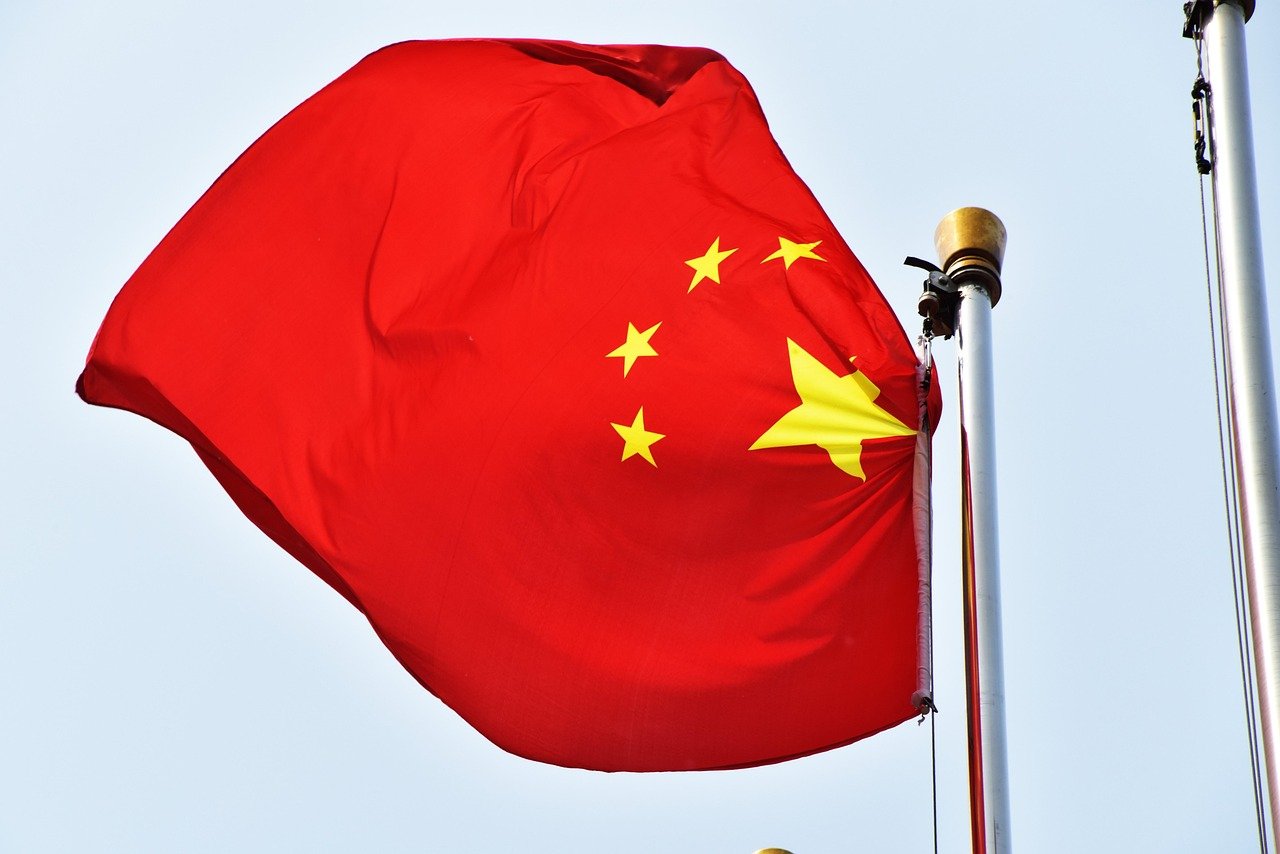
Germany Criticizes China’s Aggressive Moves in Taiwan Strait
- Germany’s Foreign Minister Johann Wadephul criticized China’s “aggressive behavior” in the Taiwan Strait.
- Wadephul emphasized the need for internationally binding rules during his visit to Japan and Indonesia.
- Tensions rise as China supports Russia, complicating Germany’s economic ties with China.
- China’s foreign ministry accused Germany of “inciting confrontation” and urged dialogue.
- The Taiwan Strait’s stability is crucial for global trade, with significant implications for international security.
Germany’s Foreign Minister Johann Wadephul has recently criticized China’s actions in the Taiwan Strait, describing them as “aggressive behavior.” This statement was made ahead of his diplomatic visit to Japan and Indonesia, where he plans to emphasize the importance of strengthening internationally binding rules. Wadephul’s remarks highlight the growing tensions in the Asia-Pacific region, particularly concerning China’s territorial claims in the East and South China Seas. He stated, “China’s increasingly aggressive behavior in the Taiwan Strait and the East and South China Seas also affects us in Europe: fundamental principles of our global co-existence are at stake here.”
Wadephul’s comments are part of a broader geopolitical context. Tensions have been escalating between China and other global powers, especially following incidents like the recent confrontation between Chinese warships and a U.S. destroyer near the disputed Scarborough Shoal in the South China Sea. The Chinese military claimed to have “driven away” the U.S. vessel, while the U.S. Navy maintained that its actions were in accordance with international law. This incident underscores the ongoing disputes over territorial claims in the region, which have been a source of international concern.
The German foreign minister’s criticism of China also aligns with Germany’s broader foreign policy stance, particularly in light of China’s support for Russia amid the ongoing conflict in Ukraine. Wadephul has been vocal about China’s role in supporting Russia, stating, “China is Russia’s largest supplier of dual-use goods and Russia’s best oil and gas customer. Russia’s war in Ukraine is only made possible by China.” This statement reflects the complex dynamics of international alliances and the challenges faced by Western powers in addressing the geopolitical implications of the Russia-Ukraine conflict.
Geopolitical Tensions and Economic Ties
Germany’s position is further complicated by its economic ties with China, which remains a significant trading partner. However, the geopolitical tensions have prompted Germany to reevaluate its relationship with China, especially in the context of China’s support for Russia. This reevaluation is part of a broader trend among Western nations to reassess their economic and political ties with China, given the current geopolitical landscape.
In response to Wadephul’s remarks, China’s foreign ministry spokeswoman, Mao Ning, accused Germany of “inciting confrontation and hyping up tensions.” She urged all parties to resolve issues through dialogue and consultation, emphasizing the need to safeguard peace and stability in the region. This diplomatic exchange highlights the delicate balance of power and the challenges of maintaining international order in the face of rising tensions.
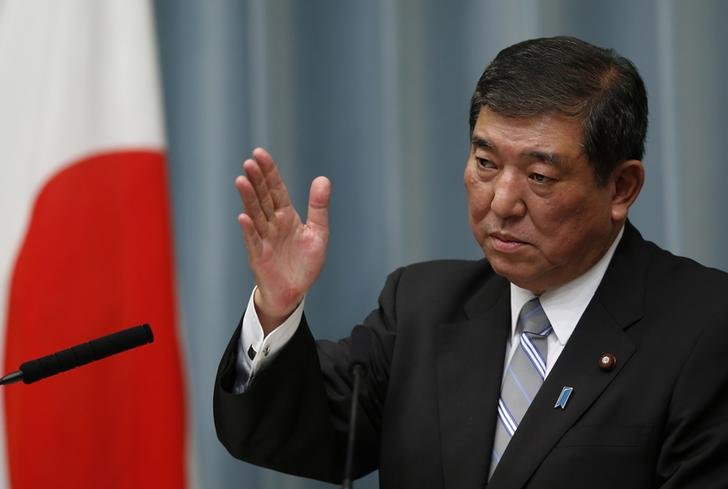
The situation in the Taiwan Strait and the South China Sea is not just a regional issue but has global implications. The strategic importance of these waterways, which are vital conduits for international trade, makes the stability of the region a matter of international concern. Any escalation in tensions could have serious consequences for global security and the world economy, as noted by Wadephul during his talks with Japanese Foreign Minister Takeshi Iwaya.
Historical Context and International Alliances
Historically, the Taiwan Strait and the South China Sea have been flashpoints for geopolitical tensions. The region’s strategic importance has made it a focal point for power struggles among global powers. The current situation echoes past conflicts, where territorial disputes and the assertion of regional supremacy have led to international confrontations. The ongoing tensions are reminiscent of the Cold War era, where geopolitical rivalries often played out in strategic regions around the world.
In the context of the current geopolitical landscape, the role of international organizations and alliances becomes crucial. The need for a rules-based international order, as emphasized by Wadephul, is paramount in addressing the challenges posed by rising tensions in the Asia-Pacific region. The commitment to international law and binding rules is essential in ensuring stability and preventing conflicts from escalating into full-blown confrontations.
Germany’s diplomatic efforts, as demonstrated by Wadephul’s visit to Japan and Indonesia, are part of a broader strategy to strengthen alliances and promote a rules-based international order. The collaboration between Germany and Japan, both leading economies in Europe and Asia, underscores the importance of international cooperation in addressing global challenges. The partnership between these nations is crucial in countering the aggressive actions of China and ensuring the stability of the region.
Global Power Dynamics and Future Implications
The geopolitical dynamics in the Asia-Pacific region are further complicated by the involvement of other global powers, such as the United States. The U.S. has been actively involved in the region, particularly in countering China’s territorial claims. The recent confrontation between Chinese and U.S. naval forces is a testament to the ongoing power struggle in the region. The U.S. has maintained its commitment to upholding international law and ensuring freedom of navigation in the disputed waters.
The situation in the Taiwan Strait and the South China Sea is a complex interplay of geopolitical interests, economic ties, and international alliances. The actions of global powers in the region have far-reaching implications for international security and the global economy. The need for a coordinated international response, based on the principles of international law and binding rules, is essential in addressing the challenges posed by the current geopolitical landscape.










Post Comment