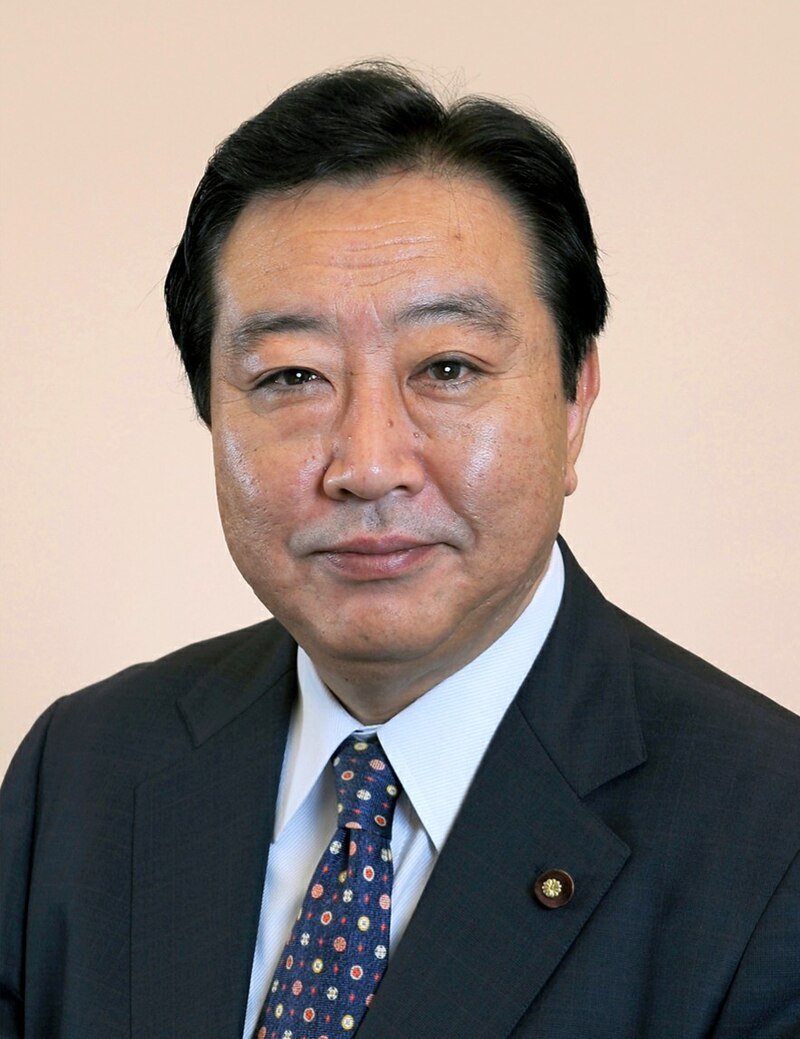
Ex-PM Noda Leads Race for Japan’s Lead Opposition Party
- Yoshihiko Noda, former Prime Minister, leads the race for leadership of Japan’s Constitutional Democratic Party of Japan (CDPJ).
- Noda’s strategy is to shift the party slightly rightward to attract moderate conservatives.
- Other contenders include Yukio Edano, Harumi Yoshida, and incumbent leader Kenta Izumi.
- Despite Noda’s popularity, the final outcome remains uncertain due to the party’s election system and undecided lawmakers.
In the political landscape of Japan, a significant development is underway. The main opposition Constitutional Democratic Party of Japan (CDPJ) is gearing up for its leadership vote on September 23. The top contender for the leadership role, as per a recent Kyodo News poll, is former Prime Minister Yoshihiko Noda. The poll, which included party supporters and lawmakers, showed Noda leading the race with a commanding 58.8 percent backing.
Noda, who served as Japan’s Prime Minister from 2011 to 2012, is no stranger to leadership roles. His tenure as Prime Minister was under the now-defunct Democratic Party of Japan, the predecessor of the CDPJ. His experience and political acumen have earned him significant support within the party.
However, the leadership race is not a one-horse race. Three other candidates are vying for the top spot. The winner of this race will guide the left-leaning CDPJ in a general election if the victor of the conservative ruling Liberal Democratic Party’s (LDP) leadership race, scheduled for September 27, dissolves the House of Representatives shortly after becoming Prime Minister.
Noda’s Strategy and Competitors
Noda’s strategy for the leadership race is to shift the center-left party slightly rightward. This move is aimed at attracting moderate conservatives who are currently unhappy with the LDP. The LDP has been embroiled in a high-profile slush fund scandal, which has eroded public trust in politics. By shifting rightward, Noda hopes to capitalize on this discontent and bring these moderate conservatives into the CDPJ fold.
However, Noda’s competitors are not far behind. Former CDPJ leader Yukio Edano is in second place with 20.9 percent support among party supporters. Edano, the founder of the party, has emphasized the importance of grassroots democracy. His stance has earned him the backing of the liberal wing within the CDPJ.
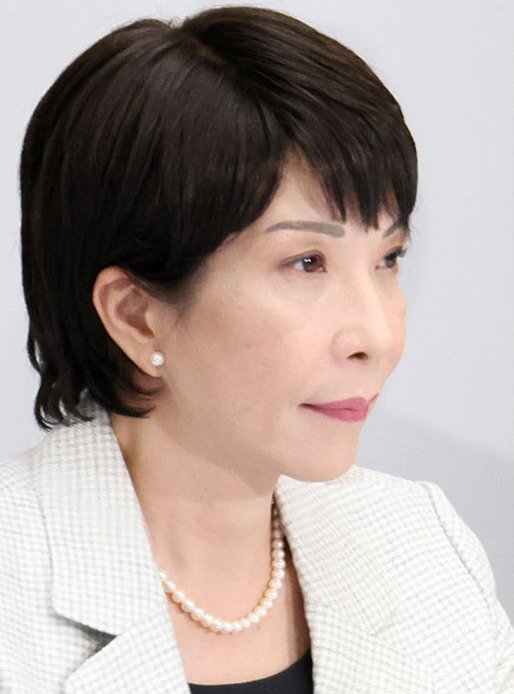
Harumi Yoshida, a first-term lower house lawmaker and the only woman in the race, is in third place with 7.8 percent support. Incumbent leader Kenta Izumi, who struggled to gain the recommendation of 20 party lawmakers to run in the presidential race, is last with 7.6 percent support.
Uncertain Path to Leadership
Despite Noda’s strong popularity among CDPJ supporters, his path to leadership is not yet assured. Interviews with the party’s 136 lawmakers, who hold a significant share of the first-round vote under the party’s election system, suggest that around 40 expressed backing for Noda. However, about 30 lawmakers voiced support for Edano, while Yoshida and Izumi each have the backing of about 20 lawmakers. With around 20 percent of lawmakers yet to decide who they would back in the vote, the final outcome remains uncertain.
The CDPJ’s election system is designed to ensure a fair and democratic process. The votes of lawmakers and general election candidates account for half of the 740 points available. The other half is distributed among local assembly and rank-and-file members who can vote by mail or online in advance. If no candidate obtains an outright majority, the top two will enter a runoff to select a winner on the same day.
This leadership race is reminiscent of the 2012 Democratic Party of Japan’s leadership election, where Noda, then the incumbent Prime Minister, faced off against three other candidates. Despite being the incumbent, Noda was not assured of victory, much like his current situation. However, he managed to secure a majority in the first round of voting, demonstrating his political prowess.
The upcoming leadership vote for the CDPJ is a crucial event in Japanese politics. With four strong candidates, each with their unique strategies and support bases, the race is far from decided. The outcome of this vote will not only determine the future direction of the CDPJ but could also have significant implications for the broader political landscape in Japan.









Post Comment