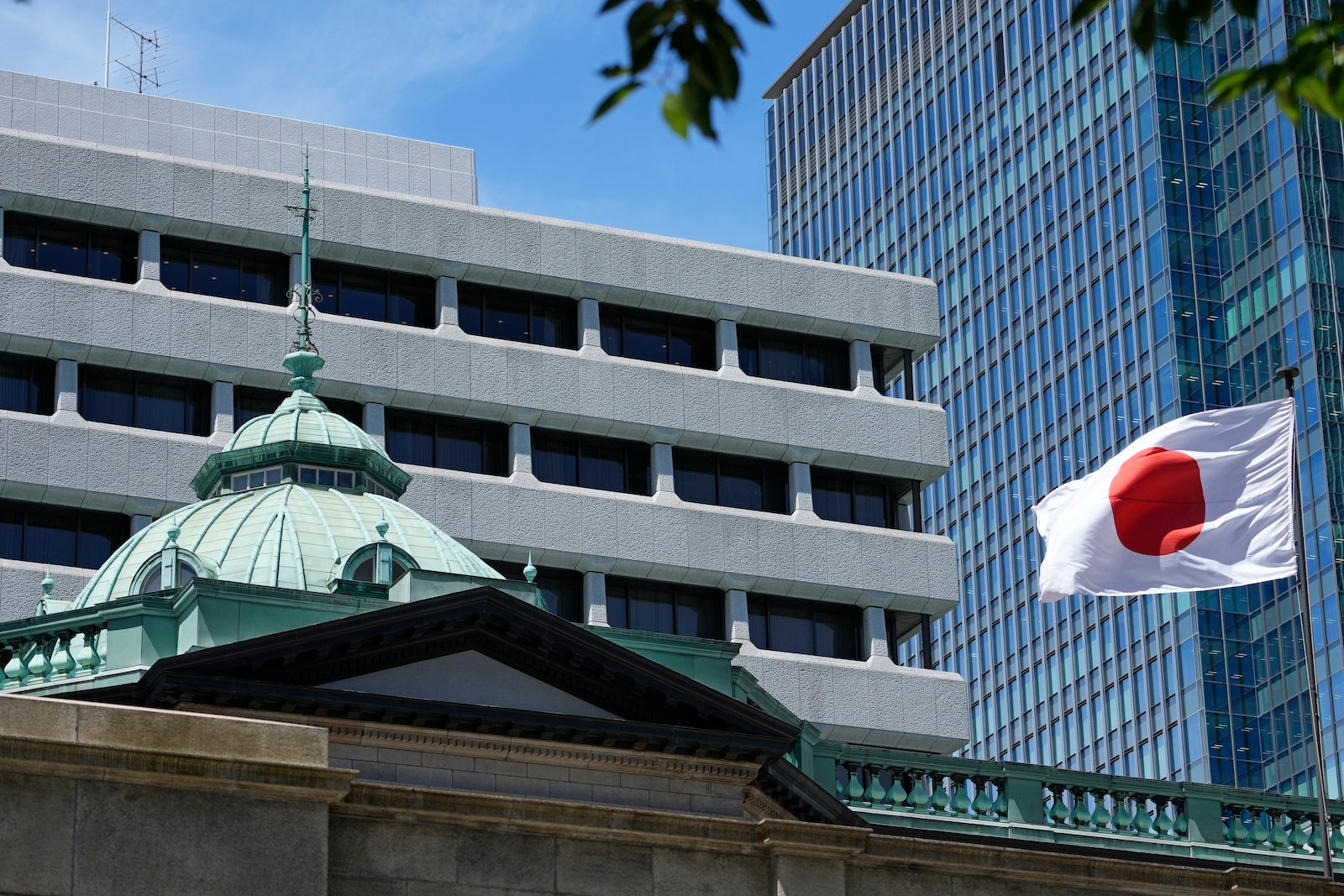
BoJ Raises Interest Rates to 17-Year High
- The Bank of Japan (BoJ) has raised its interest rates to a 17-year high of 0.5 percent, the highest since 2008.
- The decision was influenced by healthy inflation, steady wage increases, and stable financial markets.
- The yen strengthened to 155.20 per dollar following the rate hike, despite concerns about potential tariffs from the U.S. Despite a slowdown in economic growth, Japan’s inflation hit 3.6 percent in December, surpassing the BoJ’s two-percent target.
In a significant move that has sent ripples through the global financial markets, the Bank of Japan (BoJ) has raised its interest rates to a 17-year high. The increase, a well-anticipated 25-basis-point hike to 0.5 percent, marks the highest level since 2008. This decision comes as the latest economic data indicates that Japan, the world’s fourth-largest economy, is developing in line with policymakers’ expectations.
The BoJ’s decision was underpinned by healthy underlying inflation, firms steadily raising wages, and financial markets being stable on the whole. The bank stated, Japan’s economic activity and prices have been developing generally in line with the Bank’s outlook, and the likelihood of realizing the outlook has been rising. This suggests that if the bank’s outlook is met, it will continue to raise the policy interest rate and adjust the degree of monetary accommodation.
The news of the rate hike and expectations for more in the future have led to the yen strengthening to 155.20 per dollar, up from 156.3 earlier. This comes after the yen had weakened in recent months following the election of U.S. President Donald Trump and bets that the Federal Reserve will slow down its interest rate cut campaign this year.
BoJ’s Stance Amid Global Trends
The BoJ has been an outlier among central banks in recent years, maintaining an ultra-loose stance in an attempt to spark growth and inflation. However, last March, it concluded that Japan’s lost decades of economic stagnation and static or falling prices were over, finally lifting rates above zero. This was a significant move, as the rates had been at zero for more than a decade in a bid to kickstart inflation and growth.
The March increase, the first since 2007, was followed by another in July that caught investors off guard and sparked turmoil in global equity and currency markets. This time, however, BoJ chief Kazuo Ueda prepared markets for an increase, with 75 percent of economists expecting one. The reaction was more muted on Friday.
Despite the rate hike, there are concerns among Japanese companies that President Trump could disrupt the economic balance by imposing huge tariffs on imports from key trading partners. Many economists warn that this could drive up inflation.
Japan’s Economic Outlook Amid Rate Hike
Japan’s economic growth slowed in the July-September quarter, partly due to one of the fiercest typhoons in decades and warnings of a major earthquake, which did not materialize. Despite this, the BoJ is dialing back monetary policy support. Moody’s Analytics noted that the weak yen is a key reason for this move.
Data released on Friday showed that headline Japanese inflation hit 3.6 percent in December, or 3.0 percent adjusted for food prices, up from 2.7 percent in November. The core reading remained above the BoJ’s two-percent inflation target, which it has surpassed every month since April 2022.
The BoJ also raised its inflation forecast for fiscal 2024 to 2.7 percent from 2.5 percent previously. For fiscal 2025, it now expects inflation of 2.4 percent and 2.0 percent in 2026, both up from 1.9 percent previously forecast. Marcel Thieliant at Capital Economics said inflation was set to remain above the BoJ’s objective for a while yet. As a result, he predicts that the policy rate will reach an above-consensus 1.25 percent by the end of next year.









Post Comment