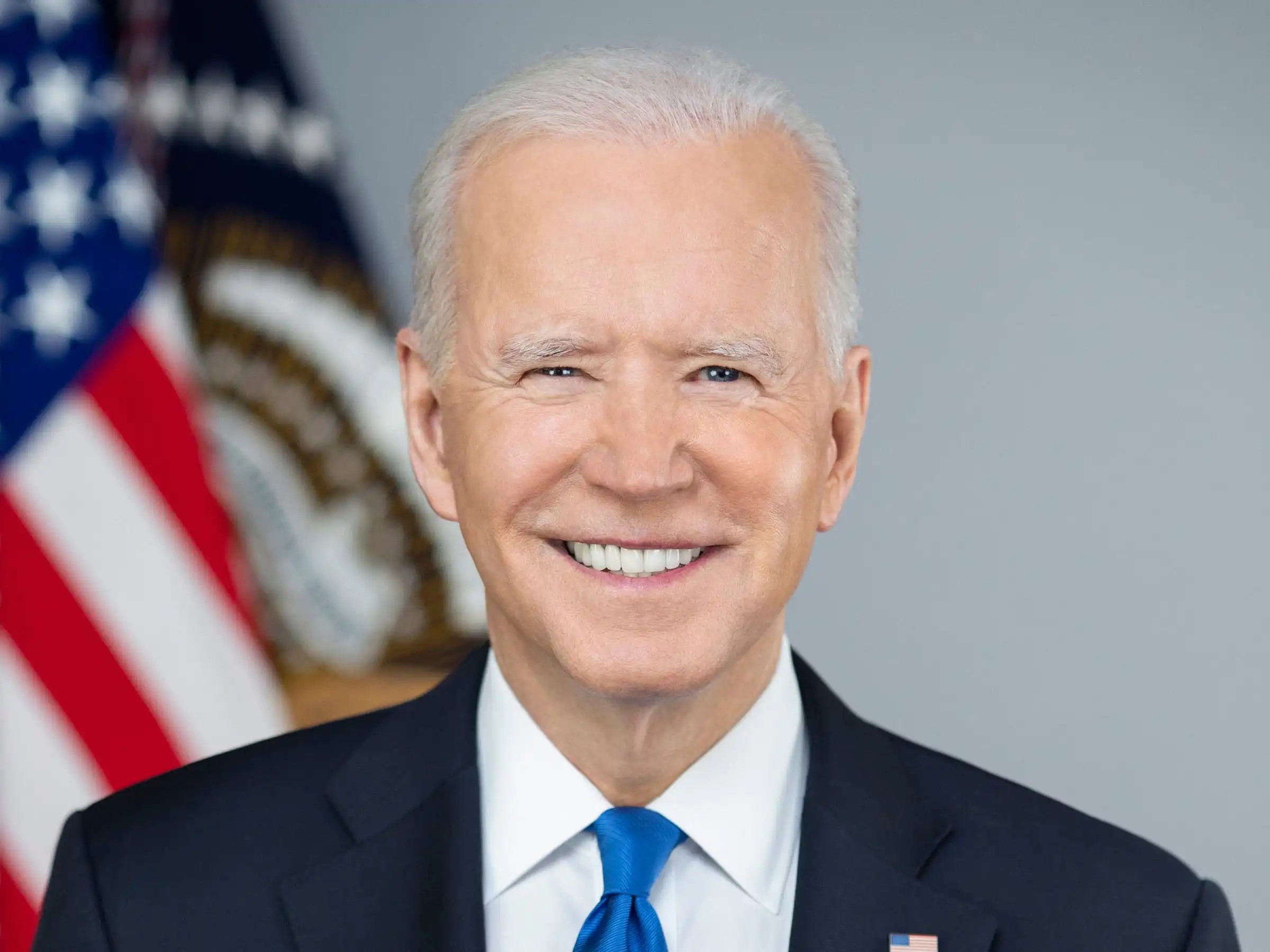
Biden Advocates for Nuclear Talks Amid Rising Global Tensions
- President Biden commends Nihon Hidankyo, a Nobel Peace Prize-winning organization, for their advocacy against nuclear weapons.
- Despite advocating for disarmament, the U.S. and other nuclear powers continue to maintain substantial arsenals.
- Biden expresses readiness for talks with China, North Korea, and Russia to minimize the nuclear threat amidst rising global tensions.
- The path to a nuclear-free world is challenging but achievable with dialogue, cooperation, and a shared commitment to peace.
In a world increasingly fraught with geopolitical tensions, the spotlight has recently been cast on the issue of nuclear disarmament. The U.S. President, Joe Biden, has commended Nihon Hidankyo, Japan’s leading atomic bomb survivors organization, for their tireless efforts in advocating against nuclear weapons. The group, which recently received the 2024 Nobel Peace Prize, has been hailed by Biden as a human testament to the tragedy of nuclear weapons, telling a story that the world needs to hear.
Biden’s commendation came in the wake of his visit to Hiroshima last year, where he met with a survivor of the world’s first atomic bomb attack. The encounter served as a powerful reminder of the urgent need to rid the world of nuclear weapons. This sentiment was echoed in his statement congratulating Nihon Hidankyo, where he emphasized the importance of making progress towards a world free of nuclear weapons.
However, the path to nuclear disarmament is fraught with challenges. Despite Biden’s renewed commitment to reducing nuclear weapons, the United States, along with other nuclear powers, continues to maintain substantial arsenals. This paradox underscores the complexity of the issue, as nations grapple with the delicate balance between national security and global peace.
The Geopolitical Landscape and Nuclear Negotiations
In an attempt to address this, Biden has expressed the United States’ readiness to hold talks with China, North Korea, and Russia without preconditions to minimize the nuclear threat. He argued that there is no benefit to nations or the world in forestalling progress on reducing nuclear arsenals. This stance is particularly significant given the current geopolitical climate, where tensions between nations are running high.
For instance, Ukraine has accused North Korea of sending weapons and personnel to the Ukraine frontlines, prolonging the war instigated by Russia. This has raised concerns about North Korea’s potential involvement in the conflict and its implications for global security. Furthermore, China’s support for Russia amidst international sanctions has added another layer of complexity to the situation.
In addition to these immediate concerns, the long-term ambitions of nations like Russia and China also play a crucial role in shaping the global nuclear landscape. Russia’s aspiration to establish itself as the center of the Eurasian polity, culture, and economy has been a driving force behind its actions. Similarly, China’s military activities around Taiwan and its stance on the U.S. military presence in the region have significant implications for U.S. foreign policy and nuclear negotiations.
Historical Parallels and the Path Forward
The current situation bears some resemblance to historical events, such as the Cold War, where the threat of nuclear weapons loomed large. During that period, the U.S. and the Soviet Union engaged in a tense nuclear arms race, leading to the accumulation of substantial nuclear arsenals. The lessons learned from that era underscore the importance of dialogue and cooperation in achieving nuclear disarmament.
In conclusion, the issue of nuclear disarmament is a complex one, intertwined with geopolitical tensions and the ambitions of global powers. The commendation of Nihon Hidankyo by President Biden serves as a reminder of the human cost of nuclear weapons and the urgent need for disarmament. As nations navigate the path towards a world free of nuclear weapons, the importance of dialogue, cooperation, and a commitment to peace cannot be overstated. The path to a nuclear-free world is a challenging one, but with concerted efforts and a shared commitment to peace, it is a goal that remains within our reach.








Post Comment