Bessent’s bond gambit seen as possible prelude to closer Japan-U.S. coordination
Moves by the U.S. to contain bond yields may be a prelude to more coordination between Japan and the United States to restore market stability, with an emphasis on both nations getting their finances in order.
“It’s possible that the U.S. and Japan will agree to work together to focus more on fiscal sustainability and communicate that to the market,” said Kyohei Morita, chief economist at Nomura Securities.
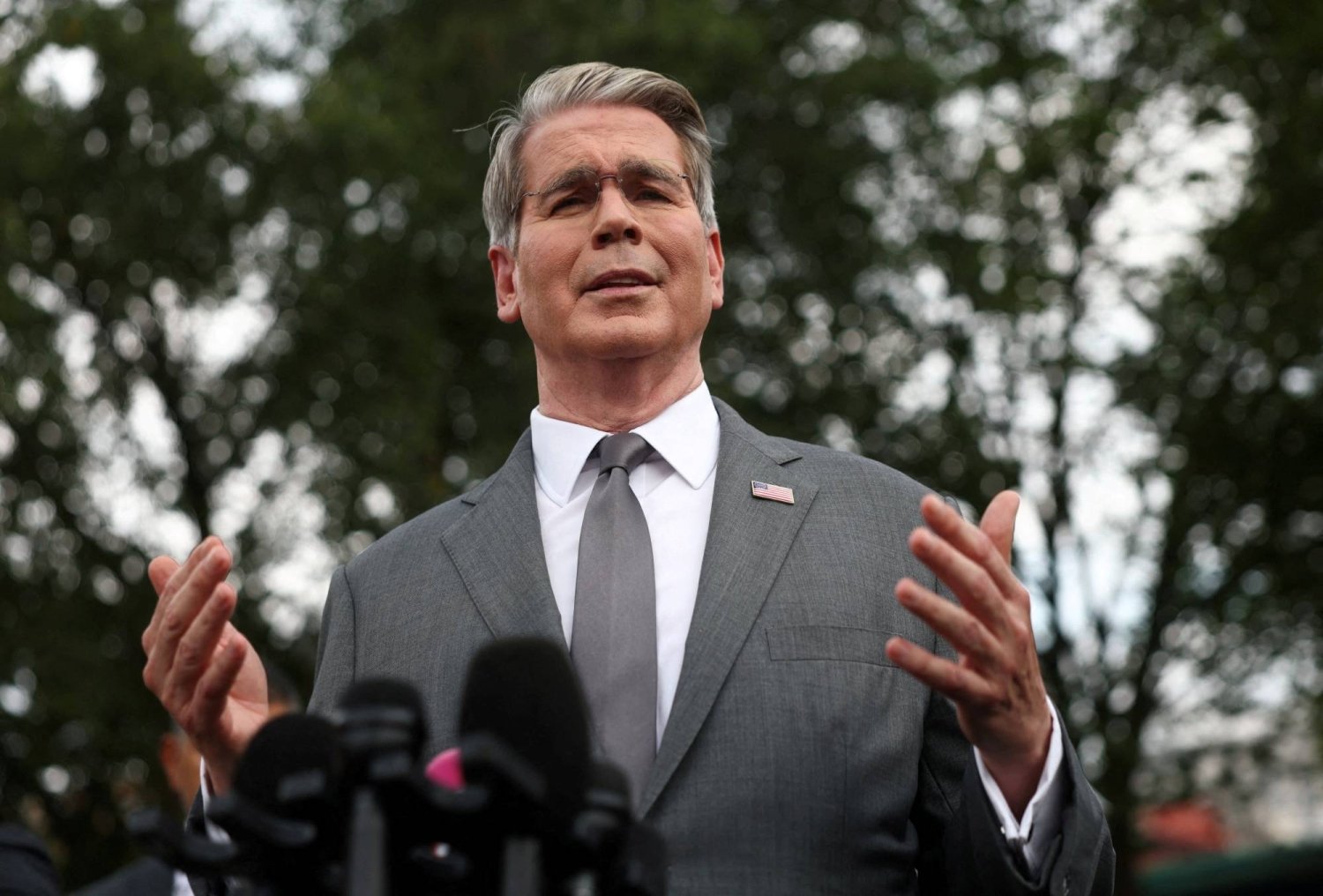
Last week, U.S. Treasury Secretary Scott Bessent surprised the market with a plan to double buybacks of long-dated government bonds. This, he said, would be accompanied by a plan to improve U.S. fiscal health.
The Treasury Department will purchase at least $4 billion of government bonds “per operation” from Sept. 9, up from the current $2 billion. Operations are planned quarterly and are conducted once or twice a week. Purchases are by duration, with bonds of each maturity included in an operation once or twice a month.
While the Treasury said that the aim of bigger buybacks is to provide greater liquidity to the market, the move is seen by many analysts as an effort to control long-term bond yields, which have been rising.
The 10-year U.S. Treasury yield has jumped by about 70 basis points since March to near 4.70%, in part due to concerns over deficits and inflation. Japan’s long-term bond yields have also marched higher. The 10-year Japanese government bond is trading at about 2.90%, a level not seen in 30 years. Bessent has said that rising Japanese rates could spill over into the U.S. bond market.
Bessent’s bold move in the bond market was widely viewed by analysts and investors as a failure, as was an earlier coordinated intervention with Japan into the currency market. The bonds quickly retraced to earlier levels, while the yen gave up most of its gains.
U.S. President Donald Trump said that Bessent acted under his own authority and was not instructed to increase buybacks.
Without fundamentals improving and rates rising, efforts to prop up the markets are seen as fleeting and ineffective.
“If Japanese long-term bond yields are rising due to concerns over inflation, a certain level of rate hikes will be needed, and we believe the Bank of Japan will do that,” Morita said. “That said, some action from the fiscal policy side will also be needed to back up BOJ’s rate hikes.”
The BOJ might already be under pressure to accelerate the pace of rate increases.
In late July, when the U.S. and Japan stepped in to support the yen in a massive coordinated intervention, Bessent said interventions send signals and that follow-up policies are needed.
It’s also possible that the U.S. wants Prime Minister Sanae Takaichi to put more emphasis on fiscal discipline, some analysts said. Takaichi has a record of making pro-stimulus remarks and has repeatedly said that her administration will boost investment in crisis management and growth.
This has drawn skepticism from analysts and investors, as spending to stimulate demand could further fuel inflation when many Japanese households are already struggling to make ends meet.
“To curb dollar strength, yen weakness and higher long-term bond yields, the Trump administration will possibly pay closer attention to Japan, which is seen as one of the epicenters behind these market movements,” Takahide Kiuchi, executive economist at Nomura Research Institute, wrote in a report on Friday.
If the 10-year Japanese government bond yield reaches 3% and the yen reaches ¥160 to the dollar again, the U.S. might ask the Takaichi administration to change the course of its fiscal policy, he said.
Some Japanese officials have argued that Takaichi’s fiscal policy is not “expansionary,” saying that fiscal sustainability is also a priority, but the administration has struggled to ease market concerns.
It has not fully funded major economic initiatives, such as a consumption tax cut for groceries.












Post Comment